

There are 631+ commercial entities operating in the nuclear energy space based on IP ownership or if they’ve referenced the key terms in market news, about us pages, or SEC filings. Across the board, China takes the lead.
Over the past year, the most active commercial entities IP filing were SHANGHAI NUCLEAR ENG RES & DESIGN INST CO LTD, BEIJING INSTITUTE TECH, and CHINA NUCLEAR POWER ENG CO LTD.

Among patents filed by the most active entity, SHANGHAI NUCLEAR ENG RES & DESIGN INST CO LTD, were those focused on:
– Nuclear energy steam supply system
– Dual-purpose transportation container for uranium dioxide pellet powder
– Sewage discharging and heat supplying system of steam generator of nuclear power station
China accounts for 518 patent applicants (67.9% of patent applicant activity), followed by Russia and the World Intellectual Property Organization.
For actionable innovation intelligence in your industry, visit ipcypris.com. To browse recent patent filings for free, explore our our global patent search engine.
China dominates the commercial nuclear energy space


There are 631+ commercial entities operating in the nuclear energy space based on IP ownership or if they’ve referenced the key terms in market news, about us pages, or SEC filings. Across the board, China takes the lead.
Over the past year, the most active commercial entities IP filing were SHANGHAI NUCLEAR ENG RES & DESIGN INST CO LTD, BEIJING INSTITUTE TECH, and CHINA NUCLEAR POWER ENG CO LTD.
Among patents filed by the most active entity, SHANGHAI NUCLEAR ENG RES & DESIGN INST CO LTD, were those focused on:
– Nuclear energy steam supply system
– Dual-purpose transportation container for uranium dioxide pellet powder
– Sewage discharging and heat supplying system of steam generator of nuclear power station
China accounts for 518 patent applicants (67.9% of patent applicant activity), followed by Russia and the World Intellectual Property Organization.
For actionable innovation intelligence in your industry, visit ipcypris.com. To browse recent patent filings for free, explore our our global patent search engine.
Keep Reading

Design thinking is a powerful tool for driving innovation. It’s all about combining creative and analytical approaches to problem-solving to generate innovative solutions that meet customer needs. In this article, we look at how design thinking helps in innovation.
We will learn what design thinking is, how to best use it in your workplace, and how effective this approach can be in helping teams drive meaningful change. Design Thinking helps foster creativity while also providing structure and guidance, making it an invaluable asset when innovating new products or services. So let’s discover how design thinking helps in innovation.
Table of Contents
How Design Thinking Helps in innovation
Examples of Innovation Made Through Design Thinking
Challenges Faced When Using Design Thinking for Innovation
Overcoming Resistance to Change
Finding the Right Resources and Expertise
Balancing Short-Term Goals with Long-Term Vision
What is Design Thinking?
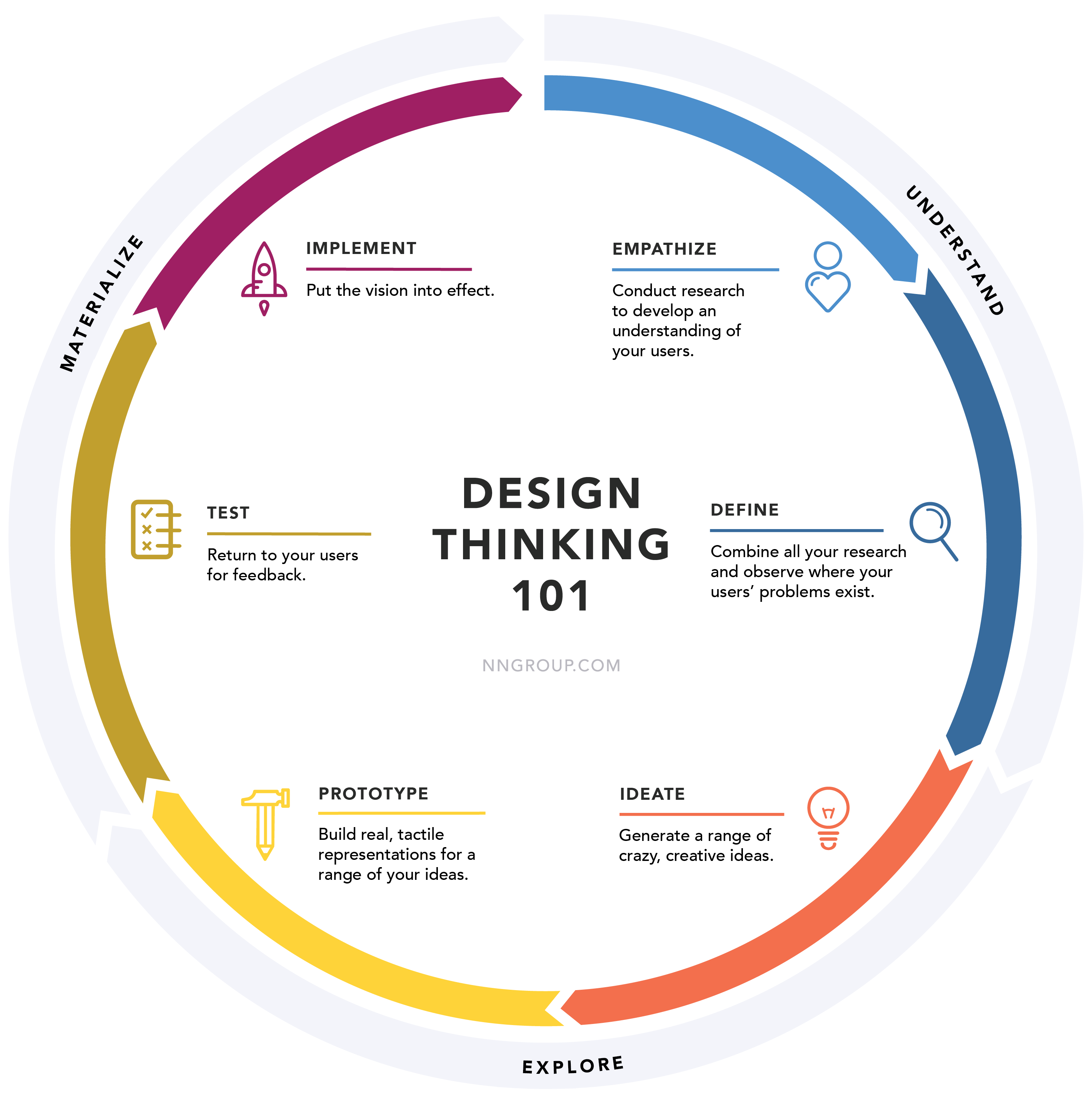
Design thinking is a creative problem-solving process that puts the user first. It’s an iterative approach to finding solutions to complex problems and creating innovative products, services, or experiences. It involves understanding the user, challenging assumptions, and redefining problems in an attempt to identify alternative strategies and solutions that might not be immediately apparent with our initial level of understanding.
By employing design thinking, teams can create products or services that are more useful, usable, desirable, and ultimately successful. This process helps teams gain insights into their users’ needs and preferences to develop better solutions for them.
Let’s look at the design thinking methodology.
Empathize
The first step of design thinking is empathizing with the user. This involves understanding their needs, wants, and motivations through research such as interviews or surveys. By getting into the mindset of your target audience you can create more meaningful designs that are tailored specifically for them.
Define
Once you have a good understanding of your users’ needs it’s time to define the problem statement which will guide the rest of your project. This should be specific enough so that you know what exactly you’re trying to solve but also broad enough so that there’s room for creativity when coming up with solutions later on in the process.
Ideate
In this stage, ideas are generated without any judgment or criticism from team members – think outside the box! Brainstorming sessions can help generate new perspectives on how best to tackle the issue at hand while looking at existing products and services can inspire too.
Prototype
Now it’s time to bring those ideas into reality by building prototypes. These are low-fidelity models made quickly out of materials like paper or cardboard, which allow teams to test out different concepts before investing resources into developing fully functional versions further down the line.
Test
Testing prototypes allow teams to see how well they work in real-life scenarios. They can then make improvements based on feedback gathered from actual users instead of relying solely on assumptions about what works best for them.
Testing also helps identify potential flaws early on so they don’t become costly mistakes later down the road.
Implement
Finally, once all tests have been completed successfully, it’s time to implement these changes across all platforms. The implementation phase ensures smooth transitions between old systems and new ones while making sure everything runs smoothly throughout each stage until completion.
Once everything’s ready, you’re good to go. You can launch your product officially onto the market knowing full well it has been designed thoughtfully around customers’ needs thanks to having gone through the whole Design Thinking process from start to finish!
How Design Thinking Helps in innovation
Design thinking is a creative problem-solving approach that focuses on understanding the user, challenging assumptions, and redefining problems to identify alternative strategies and solutions. It helps teams explore multiple avenues for the same problem by allowing them to think outside of the box. Let’s look at how design thinking helps in innovation.
Heightened Creativity
Design thinking encourages team members to be creative when approaching a challenge or project. Exploring different perspectives allows them to come up with innovative ideas that they may not have considered before.
Additionally, design thinking emphasizes empathizing with users and understanding their needs from their point of view. This helps ensure that any solution created will meet their expectations and provide value for them.
Encourages Risk-taking
Design thinking is an iterative process which means there are plenty of opportunities for failure as well as improvement along the way. This makes it easier for teams to experiment without fear of failure since mistakes can be seen as learning experiences rather than setbacks.
As such, this type of approach encourages risk-taking which can lead to more successful outcomes in the long run.
Promotes Collaboration
Finally, design thinking also promotes collaboration among team members since it requires everyone’s input throughout each step of the process. All team members can be involved from brainstorming initial ideas to testing out prototypes and refining solutions until they meet user needs perfectly.
In this way, it ensures that everyone has a say in how things turn out while at the same time providing structure so nothing gets overlooked or forgotten about during the development stages.
Overall, design thinking provides R&D and innovation teams with a powerful toolkit for creating successful products or services by taking into account both user feedback and technical considerations throughout every stage of development—from ideation through implementation
Design Thinking helps teams explore multiple avenues for the same problem by allowing them to think outside of the box. Let’s look at how design thinking helps in innovation. Click To Tweet
Willow, an AI-driven health monitoring system for pregnant women, was developed through the process of design thinking. This device uses sensors placed on the abdomen during pregnancy scans to detect fetal movements, heart rate, and breathing patterns. Design thinking techniques such as focusing on user stories about expecting mothers’ concerns; identifying opportunities for improvement; sketching concepts; building low-fidelity prototypes and getting feedback from medical experts & expecting moms were employed to create a sophisticated device capable of detecting subtle changes in fetal health indicators early enough so doctors can take preventative measures if necessary.
Examples of Innovation Made Through Design Thinking
Design thinking’s iterative approach helps teams quickly identify problems and develop innovative solutions that effectively address customer needs. Let’s look at how design thinking helps in innovation by looking at projects that came out of this process.
Airbnb
Airbnb was founded on the idea of creating an online marketplace where travelers could find short-term rental accommodations from hosts around the world.
By using design thinking principles such as empathy for their customers’ needs and rapid prototyping to test out different features, AirBnB has become one of the most successful companies in its industry.
Through their use of design thinking they have been able to create a platform that offers unique experiences tailored to each traveler’s preferences while also providing hosts with easy access to potential guests.
Uber Eats
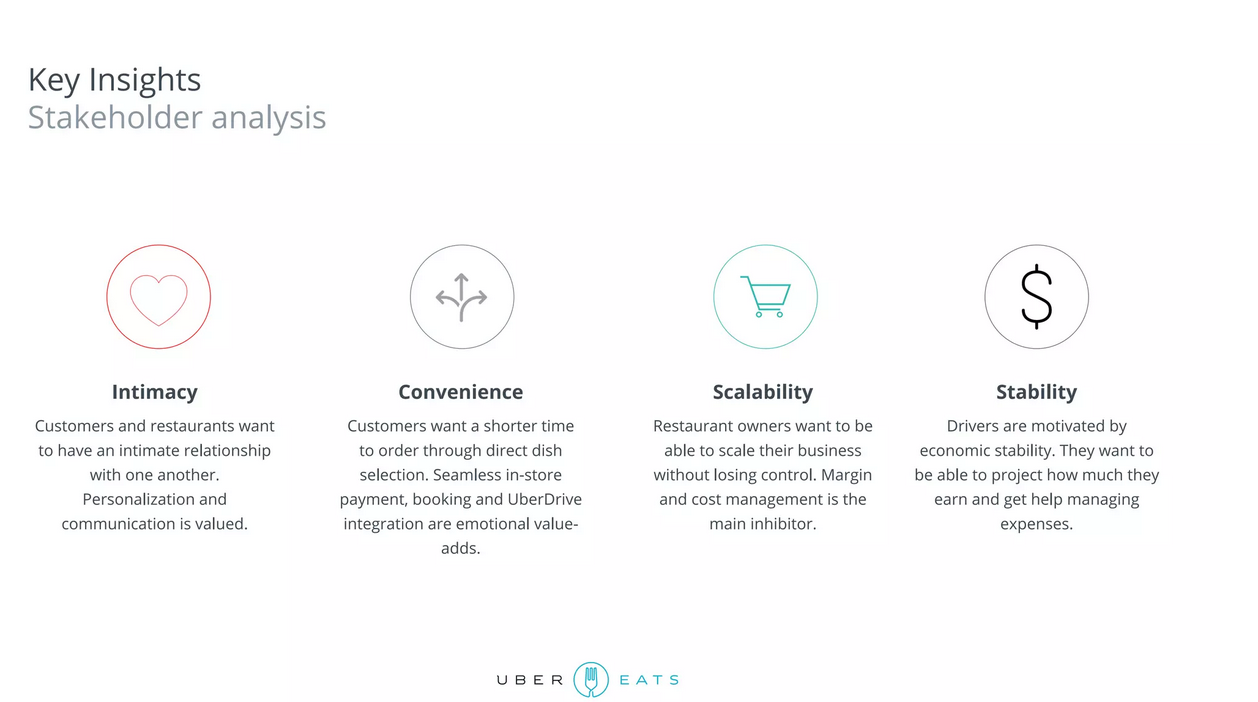
Uber Eats was created by Uber Technologies Inc., which used design thinking principles when developing this food delivery service app. They began by conducting research into what customers wanted from a food delivery service before designing prototypes based on these insights.
After testing out various versions of the app with real users, they were able to refine it until it met all customer expectations and provided a seamless experience from ordering through delivery completion.
Moonrise
Moonrise is an AI-powered virtual assistant designed specifically for busy professionals who need help managing their time more efficiently. With this, they can focus on higher priority tasks or projects at work or home life balance activities like exercise or hobbies outside work hours.
The team behind Moonrise used design thinking methods such as empathizing with users’ pain points related to time management issues, ideating potential product features; rapidly prototyping different versions, user testing, and refining until achieving desired outcomes.
As a result, Moonrise has become one of the top virtual assistants available today due to its ability to provide personalized recommendations tailored to each individual’s specific goals.
When you apply design thinking in your company, the process itself lends to innovation because it forces you to think of multiple solutions to a real customer problem. As we have seen, the design thinking approach has helped in innovating industries like hospitality, food delivery, and work.
(Source)
Challenges Faced When Using Design Thinking for Innovation
When you apply design thinking, there are certain challenges that your organization must face. We discuss some of them here to help you be more prepared.
Overcoming Resistance to Change
Implementing new processes can be difficult, especially if it requires changing the way people have been doing things for years. It’s important to ensure everyone involved understands the value of Design Thinking and how it will benefit them to gain buy-in from all stakeholders.
Additionally, providing training on Design Thinking methods and techniques can help teams become more comfortable with this approach.
Finding the Right Resources and Expertise
To successfully use Design Thinking, organizations need access to resources such as experts who understand the methodology or tools that support collaboration among team members.
Identifying these resources early on in the process can help ensure success down the line by allowing teams to focus on generating innovative ideas rather than trying to find necessary materials or personnel at a later stage.
Balancing Short-Term Goals with Long-Term Vision
Many times, companies want immediate results from their efforts but don’t always take into account long-term goals or potential risks associated with short-term decisions.
When using Design Thinking for innovation projects, teams need to consider both short-term objectives as well as long-term plans so they can make informed decisions that will benefit them in both scenarios.
By understanding these challenges and taking steps towards addressing them head-on, organizations can maximize their chances of success when utilizing design thinking for innovation projects. Although the challenges faced when using design thinking for innovation can be daunting, with the right resources and expertise, as well as a culture of experimentation and open communication, organizations can maximize their impact on innovation projects.
Key Takeaway: Design Thinking can be a powerful tool for driving innovation, but organizations must ensure they have the right resources and expertise, gain buy-in from stakeholders, and balance short-term goals with a long-term vision to successfully use it.
Conclusion
Providing a structured approach to problem-solving and creative solutions is how design thinking helps in innovation. It enables teams to think outside the box, identify new opportunities, and create innovative products or services that meet customer needs.
Design thinking can help R&D and innovation teams rapidly develop insights into their projects while also allowing them to challenge assumptions and uncover potential blind spots. With the right strategies in place, design thinking can be an invaluable tool for driving successful innovations.
Cypris is the market intelligence solution for R&D teams. Find the core of your innovation with access to 250M+ research papers, 150M+ global patents, market news resources, and custom research reports. Cypris is your single research platform to accelerate time-to-insights for your R&D.

Innovation and entrepreneurship are essential elements of any successful business today. But how are innovation and entrepreneurship related? At the very basic level: takes careful planning, creativity, and dedication to turn ideas into realities–both characteristics of entrepreneurs and innovators.
In this article, we’ll discuss entrepreneurial activities and how they mesh with innovative ideas. So let’s get started and answer together: how are innovation and entrepreneurship related?
Table of Contents
How Are Innovation and Entrepreneurship Related?
Benefits of Innovation and Entrepreneurship
Strategies for Successful Innovation and Entrepreneurship
Developing an Innovative Mindset
Identifying Opportunities for Growth
Utilizing Technology Solutions for Collaboration and Communication
How Are Innovation and Entrepreneurship Related?
How are innovation and entrepreneurship related? Innovative ideas and entrepreneurial activities are closely linked because of their need for growth, creativity, and capacity for disruption. Let’s take a closer look.
Growth
Innovation and entrepreneurship are closely related in terms of growth. Entrepreneurship is all about taking risks to create something new, while innovation is the process of creating something new.
Both require a great deal of creativity and risk-taking to succeed. Without these two elements, neither would be possible.
For example, entrepreneurs must have an idea for a product or service that they believe will be successful in the marketplace before they can begin to develop it into a viable business model. This requires them to think outside the box and come up with creative solutions that no one else has thought of yet.
Similarly, innovators must also use their creativity when coming up with ideas for products or services that could potentially revolutionize an industry or solve existing problems better than current solutions do.
Creativity
Creativity plays an important role in both innovation and entrepreneurship as well.
Innovation requires creative problem-solving skills to come up with innovative solutions for existing problems or find ways to improve upon existing products or services already on the market.
Similarly, entrepreneurs need creative thinking skills when developing their business models so they can identify potential opportunities and capitalize on them before anyone else does.
For instance, many successful entrepreneurs have been able to spot trends early on by being more observant than others around them which allowed them to capitalize on those trends before anyone else did. This resulted in massive success stories such as Uber and Airbnb which spotted a gap in the transportation and accommodation markets.
Disruption
Disruption is another key element shared between innovation and entrepreneurship. Both involve disrupting traditional methods of doing things by introducing new technologies or processes into industries where none existed previously, thus changing how people interact within those industries.
For example, Amazon disrupted the retail industry completely by introducing an online shopping platform that changed the way people shop.
Risk Taking
Ultimately, risk-taking is the common thread between innovation and entrepreneurship. Without it, nothing would ever be accomplished in either arena. Both involve a trial-and-error approach until the right solution is found.
Technology may evolve but if one isn’t willing to take the necessary risks required to achieve desired outcomes needed to move ahead of the competition, then the same old results will remain even though technology has advanced.
This is why the willingness to take calculated risks is an essential part of any R&D team looking for innovative ways to further develop cutting-edge products and services that stay ahead of the curve. With this, they can make sure they are staying relevant with the latest trends popular among their target audience which eventually leads to greater ROI.

(Source)
Benefits of Innovation and Entrepreneurship
How are innovation and entrepreneurship related? The marriage of innovation and entrepreneurship can bring many benefits to businesses.
Increased Efficiency
Increased efficiency is one of the most important advantages that come with innovation and entrepreneurship. By utilizing technology solutions for collaboration, communication, data analysis platforms, automation tools, and other resources, teams can streamline processes and reduce the amount of time needed to complete tasks.
This allows them to be more productive in their work while also freeing up time for new ideas or projects. Improved productivity is another key benefit of innovation and entrepreneurship as it enables teams to get more done in less time while still maintaining quality results.
Increased Profitability
Increased profitability is a major advantage associated with innovation and entrepreneurship efforts. Through improved efficiency, productivity gains are achieved which leads to higher profits due to reduced costs or increased sales volume from improved products or services offered by the business.
Additionally, innovative strategies may open up new markets or create opportunities for expansion into existing ones which further increases profitability potential over time.
Innovation and entrepreneurship offer numerous benefits, from increased efficiency to improved productivity, which ultimately leads to higher profitability.
However, these opportunities also come with unique challenges that must be managed for success.
Innovation and entrepreneurship can bring many benefits to businesses, such as increased efficiency, productivity, and profitability. #innovation #entrepreneurship Click to Tweet
Strategies for Successful Innovation and Entrepreneurship
Now that we have answered the question “how are innovation and entrepreneurship related,” let’s take a look at strategies to maximize the two. To successfully navigate the challenges associated with innovation and entrepreneurship, it is important to develop strategies that will enable businesses to reach their goals.
Developing an Innovative Mindset
Entrepreneurs and innovators need to cultivate a mindset of creativity, curiosity, and experimentation. This can be done by setting aside time each day or week for creative thinking, exploring new ideas, or learning about emerging technologies.
Additionally, engaging with mentors who have experience in the field can help foster an innovative mindset as well as provide valuable insights into potential opportunities.
Identifying Opportunities for Growth
Successful entrepreneurs are always on the lookout for new opportunities that could benefit their businesses. This may include researching current trends within their industry or exploring adjacent markets where there may be untapped potential.
Additionally, leveraging data analysis platforms can help identify patterns in customer behavior which could lead to new product offerings or services that meet customer needs more effectively than existing solutions do.
Having a Strong Team
Having a strong team of individuals who share similar values and goals is paramount to launching a successful venture or developing innovative products/services. It is essential to find talented people with the technical skills relevant to your project/business idea, as well as build relationships with professionals outside of your organization who can provide advice on marketing strategy, financial planning, and other aspects of running a business.
Utilizing Technology Solutions for Collaboration and Communication
Leveraging technology solutions like cloud-based software applications helps teams collaborate remotely while still maintaining effective communication between members regardless of geographic location or time zone differences.
Automating processes through artificial intelligence (AI) tools also helps streamline operations so teams can focus on tasks that require human input rather than mundane administrative workflows which would otherwise take up precious resources from projects requiring more attention from personnel.
By applying the right strategies, innovators and entrepreneurs can unlock their potential to create new products and services that will have a lasting impact on our world. With the help of tools such as technology solutions for collaboration and communication, data analysis platforms for insights discovery, and automation tools to streamline processes, teams can achieve even greater success in innovation and entrepreneurship.
Key Takeaway: Innovation and entrepreneurship require an innovative mindset, identifying opportunities for growth, a strong team, and leveraging technology solutions. Specifically, utilizing cloud-based software applications for collaboration and communication as well as data analysis platforms to quickly gain insights from vast amounts of data sources can help businesses succeed in this competitive market.
Conclusion
How are innovation and entrepreneurship related? The two endeavors both require creativity, a hunger for growth, and a stomach for risk-taking. With the proper marriage of innovation and entrepreneurial skills, you can create disruptive products that define the market.
With a clear strategy, access to the right tools, and an understanding of potential challenges, teams can maximize their chances for success. By leveraging technology along with other resources available, teams can ensure that their efforts toward innovation and entrepreneurship will yield positive results.
Are you an R&D or innovation team looking for a platform to centralize your data sources and quickly generate insights? Look no further than Cypris! Our research platform was designed specifically for teams like yours so that you can gain access to the latest innovations faster.
With our powerful tools, you will be able to bridge the gap between entrepreneurship and innovation to create new products and services that meet customer needs better. Join us today at Cypris – let’s build something amazing together!

Innovation is the key to success for any business. But how can innovation help a business? It’s an important question that needs exploring and understanding, especially in today’s highly competitive market.
This blog post will discuss what innovation is, how it can benefit businesses, the challenges of implementing innovative solutions, and strategies to make implementation easier and more successful. So let’s answer together: how can innovation help a business?
Table of Contents
How Can Innovation Help a Business?
Improved Efficiency and Productivity
Increased Profitability and Market Share
Enhanced Customer Experience and Satisfaction
Improved Employee Engagement and Retention
What Are the Challenges of Implementing Innovative Solutions?
Identifying Opportunities for Improvement
Overcoming Resistance To Change
Securing Resources for Implementation
What Strategies Can Help Business Innovations?
Establishing an Innovative Culture
Developing a Clear Vision and Goals
Investing in Research and Development
How Can Innovation Help a Business?
How can innovation help a business? When you encourage innovation, it can improve businesses in a variety of ways. Let’s take a look at some of these.
Improved Efficiency and Productivity
Improved efficiency and productivity are two of the most common benefits associated with innovation. By introducing new technologies, processes, or systems to streamline operations, companies can reduce costs and increase output. This helps them remain competitive in their industry while also increasing profits.
Increased Profitability and Market Share
Increased profitability and market share are other advantages that come from innovating. Companies that invest in research and development often find themselves ahead of the competition when it comes to offering new products or services that meet customer needs better than those offered by other firms.
This allows them to capture more market share and generate higher revenues over time as customers become loyal to their brand due to its superior offerings.
Enhanced Customer Experience and Satisfaction
Enhanced customer experience and satisfaction are yet some of the other benefits associated with innovation for businesses. Customers appreciate being able to access innovative solutions quickly without having to wait long periods for something they need right away.
Innovative solutions also provide customers with greater convenience since they don’t have to go through multiple steps just to get what they want to be done faster or easier than before.
Improved Employee Engagement and Retention
Finally, improved employee engagement and retention are additional advantages that come from implementing innovative solutions within a business environment. Employees who feel valued by their employers tend to stay longer at their jobs, reducing turnover rates significantly while also improving morale among staff members who see the company investing in its workforce by providing cutting-edge tools or technology needed for success on the job.
Innovation can help businesses to gain a competitive edge, maximize profits and improve customer satisfaction. However, the implementation of innovative solutions is not without its challenges; the next heading will discuss how to overcome these obstacles to unlock the potential of innovation for business success.
Key Takeaway: Innovation can help businesses increase efficiency, profitability, and market share while also improving customer experience, satisfaction, and employee engagement. Benefits include reduced costs, increased output, superior offerings, and improved convenience.
What Are the Challenges of Implementing Innovative Solutions?
Innovation is the process of introducing new ideas, products, services, or processes to improve existing operations. It’s an essential component for businesses that want to remain competitive and relevant in their industry. But how can innovation help a business?
However, implementing innovative solutions can be a challenge due to various obstacles such as identifying opportunities for improvement, overcoming resistance to change, securing resources for implementation, and managing risk associated with new ideas.
Identifying Opportunities for Improvement
Finding areas where innovation could have a positive impact on your business requires careful analysis and research. Companies need to take into account factors such as customer needs and preferences, market trends, and competition when evaluating potential improvements.
Additionally, companies should look internally at their strengths and weaknesses to identify opportunities that are most likely to yield successful results.
Overcoming Resistance To Change
People tend to resist change even if it will benefit them in the long run because they fear the unknown or don’t understand how something works differently than what they’re used to.
As a result, organizations must find ways of communicating why changes are necessary while also providing support during the transition period so employees feel comfortable with any new procedures or technologies being implemented.

(Source)
Securing Resources for Implementation
Implementing innovative solutions often requires additional resources such as funding or personnel which may not always be available right away due to budget constraints or other priorities within the organization.
Companies must plan by setting aside funds specifically dedicated to innovation initiatives to ensure there are sufficient resources available when needed without harming other projects within the company.
Innovation can bring great rewards to businesses, but it’s important to understand the challenges that come with implementing innovative solutions. With the right strategies and resources in place, however, businesses can create an environment where innovation is encouraged and successfully implemented.
Key Takeaway: Innovation can help businesses stay competitive and relevant, but requires careful analysis and planning. Elements to consider include: identifying opportunities for improvement, overcoming resistance to change, and securing resources for implementation.
What Strategies Can Help Business Innovations?
Businesses that want to stay competitive and remain relevant in today’s market must embrace innovative ideas. Implementing innovative solutions can help businesses improve efficiency, increase profitability, enhance customer experience, and engage employees.
However, there are challenges associated with implementing new ideas. To successfully implement innovative solutions, businesses should consider the following strategies:
Establishing an Innovative Culture
Creating a culture of innovation is essential for the successful implementation of new ideas. Businesses should encourage creativity and risk-taking among their employees by providing them with resources such as training opportunities or access to experts in the field.
Additionally, companies should reward creative thinking and recognize those who come up with successful innovations. This will motivate employees to continue innovating and create a positive environment where people feel comfortable taking risks without fear of failure or retribution.
Developing a Clear Vision and Goals
Businesses need to have a clear vision when it comes to implementing innovative solutions so they know what they are trying to achieve. Companies should set measurable goals that focus on specific outcomes such as increased productivity or improved customer satisfaction rates.
Investing in Research and Development
Investing in research and development is key for businesses looking to implement innovative solutions. R&D teams can conduct market research studies to gain valuable insights into customer needs and preferences, allowing them to develop products that meet those demands better than competitors do.
This will result in increased profits over time due to higher demand from customers seeking something different from what’s already available on the market.
Leveraging Technology
Technology plays an important role when it comes to implementing innovative solutions because it provides tools that enable faster execution times while reducing costs. Automation technologies such as machine learning algorithms can be used to analyze large amounts of data quickly, allowing companies to make decisions based on real-time insights instead of waiting until after the process has been completed manually.
Additionally, cloud computing platforms provide a secure storage space where confidential information related to projects can be stored securely and accessed remotely by team members working from remote locations across the globe.
Innovative solutions can be implemented by businesses when they create a culture of innovation, set clear objectives, and invest in R&D, as well as leverage technology to support implementation. By doing so, companies can maximize their potential for success and move forward with confidence toward achieving their goals.
Key Takeaway: Businesses should invest in innovation to stay competitive and relevant by creating an innovative culture, setting clear goals, investing in R&D, and utilizing technology.
Conclusion
How can innovation help a business? When you encourage innovation in business, your team can create new products and services that are better than their competitors, increase efficiency and reduce costs, develop new markets, and stay ahead of the competition.
However, implementing innovative solutions comes with its own set of challenges such as a lack of resources or an understanding of the customer needs. To successfully implement innovative solutions businesses need to have a clear strategy which includes understanding customer needs, setting goals for innovation initiatives, investing in research and development activities, and leveraging existing technology platforms. With these strategies in place, businesses can ensure they get maximum value from their investments in innovation initiatives.
Innovation is key for businesses to stay competitive and remain successful in today’s ever-changing market. With Cypris, R&D and innovation teams can quickly access the data they need to make informed decisions that will help propel their business forward.
Our platform provides users with an easy way to uncover insights from multiple sources all within one centralized place – giving you the edge over your competition! Try Cypris now and unlock new opportunities for growth through innovative solutions tailored specifically toward your business needs.