Green Hydrogen Electrolyzer Patent Landscape: Alkaline, PEM, SOEC, and AEM in 2026
Writen By:
Cypris Research Team
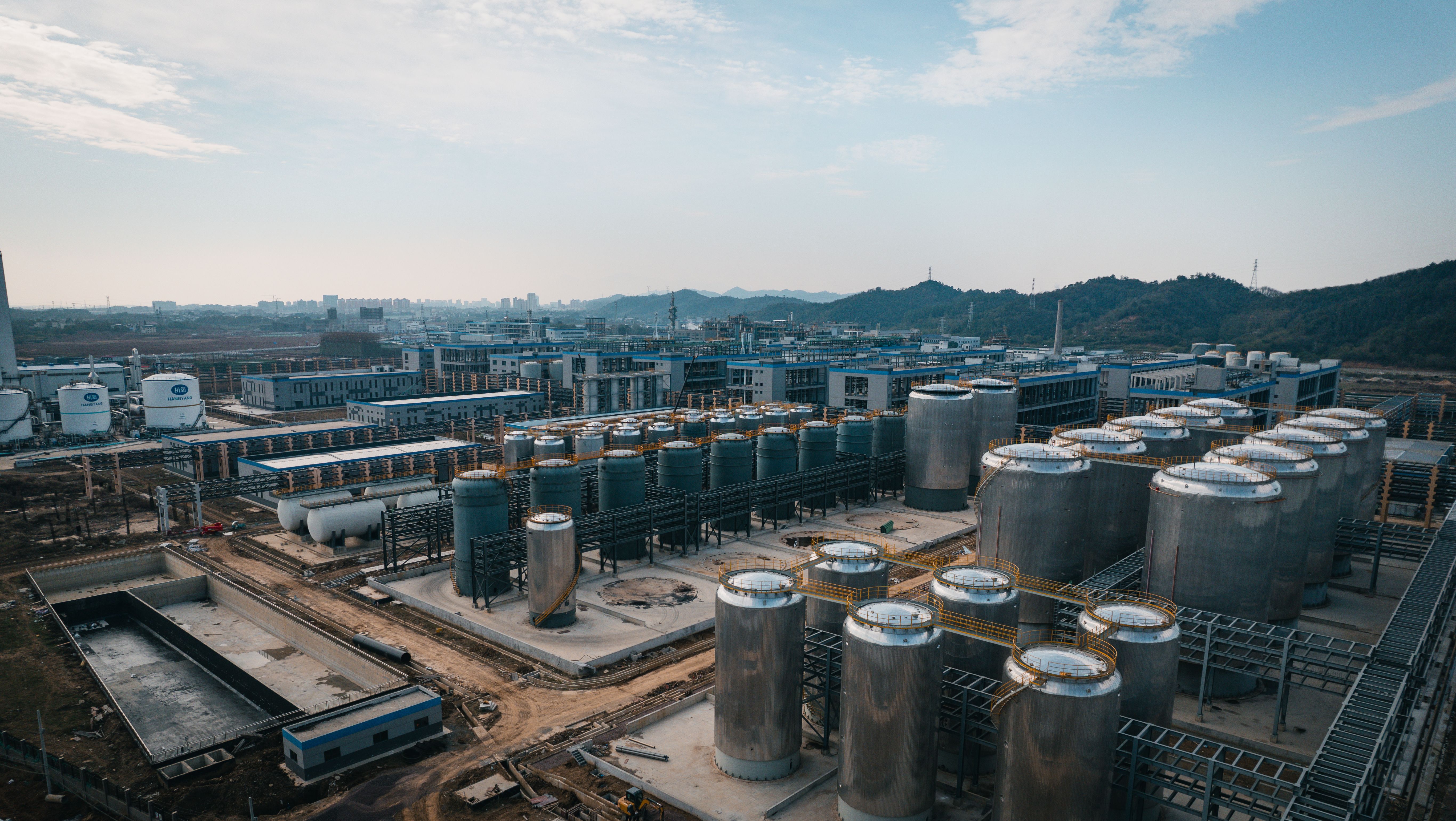


Electrolysis has become the center of gravity in hydrogen innovation, and the electrolyzer patent landscape is where the clean-hydrogen transition is being contested. A joint study of global patent data by the European Patent Office and the International Energy Agency found that technologies motivated by climate concerns accounted for nearly 80 percent of all hydrogen-production patents by 2020, with growth driven chiefly by a sharp increase in innovation in water electrolysis, and that climate-driven hydrogen technologies generated roughly twice as many international patent families as established, fossil-based methods.¹ The commercial backdrop is a projected expansion of electrolyzer manufacturing on the order of a 65-fold increase in market size over the decade, as countries scale low-emissions hydrogen for hard-to-abate sectors.²,³ For R&D and IP teams, the strategic questions are which electrolyzer technology route to back and where defensible IP positions remain, and both are patent-landscape questions.
The landscape divides across four electrolyzer technologies at different maturity levels, each a distinct region of patenting, and each characterized in the US Department of Energy's comparative assessment of solid-oxide, alkaline, and proton-exchange-membrane electrolyzers.⁴ Alkaline electrolysis is the most mature and lowest-cost route, using a liquid alkaline electrolyte and avoiding scarce precious metals, so its patenting concentrates on efficiency, dynamic operation to follow variable renewable power, and stack scale-up. Proton-exchange-membrane (PEM) electrolysis offers compact, responsive operation well suited to variable renewables but relies on scarce platinum-group catalysts and specialized membranes, so a large share of its patenting targets catalyst loading reduction, membrane durability, and cost.⁵ Solid-oxide electrolysis (SOEC) operates at high temperature with high electrical efficiency and can co-electrolyze to produce syngas, but durability and thermal cycling are the central challenges, so patenting concentrates there. Anion-exchange-membrane (AEM) electrolysis is the newest route, aiming to combine PEM-like performance without precious-metal dependence, and it is the least mature and least crowded, which makes it a notable area of white space; its membranes and non-precious-metal catalysts are an active peer-reviewed research frontier.⁶
Geography and institutional origin further shape the landscape. The EPO and IEA analysis found Europe gaining an edge as a location for electrolyzer innovation and manufacturing investment, while Japan led patenting in hydrogen end-use for the automotive sector, and it noted that momentum in other end-use applications, such as aviation, shipping, and power generation, had not yet matched the attention those sectors receive.¹ The European Commission's Joint Research Centre has separately tracked the status of water electrolysis and hydrogen technology in the European Union, corroborating the region's manufacturing push.⁷ It also found that emerging low-emissions hydrogen carriers, including liquid organic hydrogen carriers and ammonia cracking, grew (by about 12.5 percent and 7.8 percent in international patent families respectively) with roughly half of that activity originating in universities and public research, an early-stage signal of where future commercial IP may form.¹ Because applications publish about eighteen months after filing, the most recent activity, particularly in the newer AEM and SOEC routes, is under-represented, so the current frontier is more active than granted-patent counts suggest.
The four electrolyzer routes and where white space sits
Alkaline. The most mature and lowest-cost route, avoiding precious metals; patenting concentrates on efficiency, dynamic operation, and scale-up, so it is comparatively crowded on core design.
PEM. Compact and responsive but reliant on platinum-group catalysts and specialized membranes; white space centers on catalyst reduction, membrane durability, and cost.
SOEC. High-temperature and high-efficiency with co-electrolysis potential, but durability and thermal cycling are the open problems where patenting and white space concentrate.
AEM. The newest route, aiming for PEM-like performance without precious metals; the least mature and least crowded, and therefore a notable area of white space.²
Carriers and end-use. Liquid organic hydrogen carriers and ammonia cracking are early-stage and university-driven, and several end-use sectors beyond automotive remain comparatively under-patented.¹
How AI-powered landscape and white space analysis helps
Resolving four technology routes at different maturities, across geographies and institutions, requires more than keyword search. AI-powered analysis addresses this with semantic search that clusters activity by route and by the problem being solved across varied terminology, attribution that normalizes filers to canonical entities and distinguishes university from commercial activity, and continuous monitoring that tracks the newer routes where recent activity is under-represented. Because electrolyzer advances appear in scientific literature before they are patented, reading both patents and literature gives the earliest signal of where the frontier and the white space are moving.
Where Cypris fits
Cypris runs patent landscape and white space analysis for multi-route energy fields such as hydrogen electrolysis across a corpus of more than 500 million patents and scientific papers, organized through a proprietary R&D ontology. The ontology clusters activity by electrolyzer route, alkaline, PEM, SOEC, and AEM, and by the problem being solved, and normalizes filers to canonical entities, so a team can resolve which routes and problems are crowded and which, such as AEM and SOEC durability, remain open as white space. Semantic search across patents and scientific literature connects filings to the underlying materials and engineering research, which is where electrolyzer advances appear first, and distinguishes university from commercial activity. Cypris Q, the platform's agentic layer, lets teams run landscape and white space analysis conversationally and chain the clustering, attribution, and gap analysis, and Agentic Monitoring tracks a defined route over time and flags new patents and papers as they publish, which is essential where the newest routes are under-represented by publication lag. Cypris provides enterprise API partnerships with OpenAI, Anthropic, and Google, and is built with enterprise-grade security. Cypris serves hundreds of enterprise customers across pharmaceuticals, chemicals, advanced materials, energy, and other regulated industries.
FAQ
Why is electrolysis the focus of hydrogen patenting?
Electrolysis is the focus of hydrogen patenting because it can produce hydrogen with zero direct emissions when powered by renewable or nuclear electricity. A joint EPO and IEA study found that climate-motivated technologies accounted for nearly 80 percent of hydrogen-production patents by 2020, with growth driven chiefly by a surge in electrolysis. Climate-driven hydrogen technologies generated roughly twice the international patent families of established methods.
What are the main electrolyzer technologies?
The main electrolyzer technologies are alkaline, proton-exchange-membrane (PEM), solid-oxide (SOEC), and anion-exchange-membrane (AEM). They differ in maturity, cost, materials, and operating conditions, and each occupies a distinct region of the patent landscape. Alkaline is the most mature and AEM the newest.
Where is the white space in the electrolyzer patent landscape?
The white space in the electrolyzer patent landscape is concentrated in anion-exchange-membrane electrolysis, which is the newest and least crowded route, in solid-oxide durability and thermal cycling, in reducing precious-metal catalyst use and improving membrane durability in PEM, and in early-stage hydrogen carriers such as liquid organic carriers and ammonia cracking. Core alkaline design is comparatively crowded. The higher-value opportunities are in the newer routes and unsolved durability problems.
How do the electrolyzer routes trade off?
The electrolyzer routes trade off maturity, cost, and materials. Alkaline is mature and low-cost but less dynamic; PEM is responsive but relies on scarce platinum-group metals; SOEC is highly efficient but faces durability challenges; and AEM aims to combine PEM-like performance without precious metals but is the least mature. Each route's patenting concentrates on its specific weakness.
How fast is the electrolyzer market expected to grow?
The electrolyzer market is expected to grow rapidly, with the IEA projecting an expansion on the order of a 65-fold increase in market size over the decade as countries scale low-emissions hydrogen. This growth is the commercial driver behind the surge in electrolysis patenting. It also raises the value of securing defensible IP positions early.
Which regions lead electrolyzer innovation?
The EPO and IEA analysis found Europe gaining an edge as a location for electrolyzer innovation and manufacturing investment, while Japan led hydrogen end-use patenting in the automotive sector. Momentum in several other end-use sectors had not yet matched the attention they receive. The geographic distribution differs by technology route and end-use.
Why does electrolyzer analysis need scientific literature?
Electrolyzer analysis needs scientific literature because materials and engineering advances, particularly in catalysts, membranes, and the newer routes, appear in research before they are patented, so the literature gives the earliest signal. Analyzing patents alone gives a lagging view, and much early activity is university-driven. Cypris analyzes both across more than 500 million patents and scientific papers.
Which teams use electrolyzer patent landscape analysis?
Electrolyzer patent landscape analysis is used by R&D, innovation, IP, and strategy teams at electrolyzer and equipment makers, energy and industrial-gas companies, materials developers, and their partners, as well as investors. It informs which route to back, where to file, and where competitors are concentrated. Cypris serves hundreds of enterprise customers across energy, advanced materials, chemicals, and other regulated industries.
How do you keep an electrolyzer landscape current?
Keeping an electrolyzer landscape current requires continuous monitoring, because the field moves quickly, the newer routes are advancing, and publication lag under-represents the most recent activity. A one-time landscape ages quickly. Cypris uses Agentic Monitoring to track a defined route and flag new patents and papers as they publish.
Endnotes
- European Patent Office & International Energy Agency (2023). Hydrogen patents for a clean energy future: A global trend analysis of innovation along hydrogen value chains. https://www.iea.org/reports/hydrogen-patents-for-a-clean-energy-future
- International Energy Agency, reported via World Economic Forum (2023). Hydrogen patent filings: Europe and Japan lead on innovation (projected ~65-fold electrolyzer market growth this decade). https://www.weforum.org/stories/2023/03/hydrogen-innovation-patents-technology/
- International Energy Agency. Global Hydrogen Review (annual series). https://www.iea.org/reports/global-hydrogen-review-2024
- Kelly, J. C., Elgowainy, A. & Iyer, R. (2022). Electrolyzers for Hydrogen Production: Solid Oxide, Alkaline, and Proton Exchange Membrane. US Department of Energy (OSTI). https://www.osti.gov/
- US Department of Energy (2024). Hydrogen Shot: Water Electrolysis Technology Assessment. https://www.energy.gov/
- Zhang, M. et al. (2024). Advanced development of anion-exchange membrane electrolyzers for hydrogen production: from anion-exchange membranes to membrane electrode assemblies. Chemical Communications. https://doi.org/10.1039/D3CC05904A
- European Commission Joint Research Centre (2023). Water electrolysis and hydrogen in the European Union: Status Report on Technology Development, Trends, Value Chains and Markets. https://publications.jrc.ec.europa.eu/