
How Cypris Empowers R&D Teams


Keep Reading
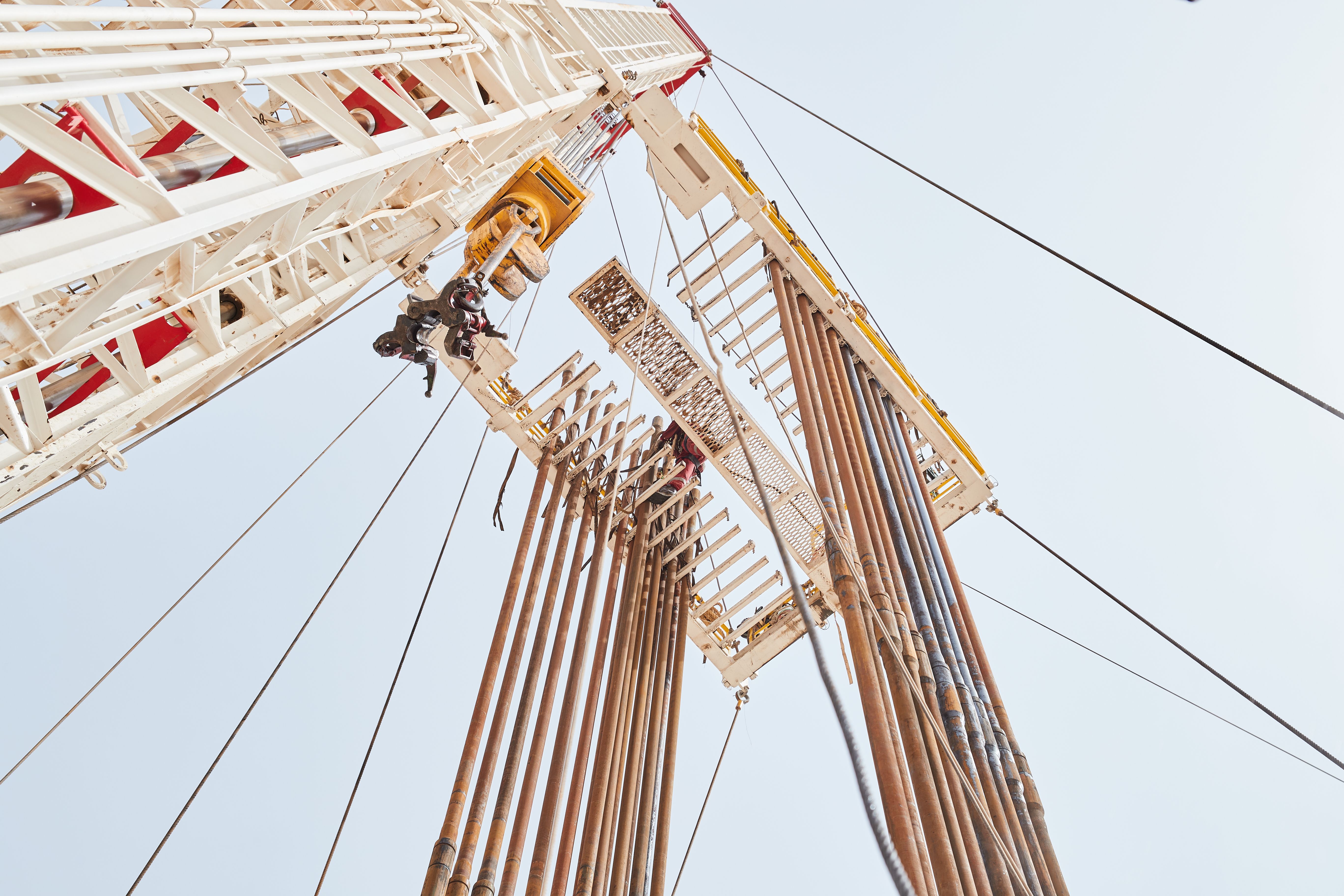
Enhanced geothermal systems have moved from research pilots to commercial deployment, and their patent landscape is being staked out as the field adapts oil-and-gas technology to a new purpose. Conventional geothermal power is limited to the few places where hot rock, natural permeability, and fluid coincide; enhanced geothermal systems remove that limitation by engineering a reservoir in hot dry rock, drilling injection and production wells, stimulating a network of fractures — through hydraulic, chemical, or thermal means — to create permeability, and circulating a working fluid to carry heat to the surface<sup>1</sup>. This promises round-the-clock, carbon-free baseload power in far more locations, and it is being built largely by transferring horizontal drilling, hydraulic fracturing, and downhole sensing from the shale industry, including multistage-fractured horizontal well pairs that improve heat extraction relative to single-fracture designs<sup>2</sup>. Field-scale designs illustrate the resource depths involved: a two-horizontal-well EGS project at the Zhacang field reached a bottom-hole temperature of 214°C at 4,700 meters<sup>3</sup>. The intellectual property divides across several regions, each a distinct area of patenting: open-loop reservoir stimulation, including well-pair architecture, horizontal wells, and fracture creation; closed-loop systems that circulate fluid through sealed wellbores without fracturing; advanced and non-mechanical drilling, including energy-based methods; downhole sensing and monitoring, such as distributed fiber-optic measurement; the working fluids themselves, from water to supercritical carbon dioxide; and integration with thermal energy storage for dispatchable output. Because a commercial project depends on several of these layers, freedom-to-operate and white space analysis must span the approaches and the enabling layers together.
The landscape has shifted decisively into a deployment era. A first-of-its-kind, roughly 500-megawatt commercial EGS project — Fervo Energy's Cape Station in Utah — is under construction, and the U.S. Department of Energy's and NREL's 2025 U.S. Geothermal Market Report documents materially improved drilling rates across Utah FORGE and Fervo's own drilling campaigns as shale techniques have been imported into geothermal<sup>7</sup>. The build is a phased, multi-year process rather than a single completed plant: a utility power-purchase agreement tied to one phase of Cape Station was amended in January 2025, with an expected commercial operation date of January 1, 2031, according to the California Public Utilities Commission record<sup>9</sup>, and financing and offtake structure are disclosed in Fervo's own SEC registration and periodic filings<sup>8</sup>. The competitive picture spans dedicated developers pursuing open-loop, horizontal well-pair designs; closed-loop specialists; the major oilfield-services companies bringing drilling, measurement, and sensing IP; and a set of drilling startups pursuing non-mechanical methods such as millimeter-wave, plasma, and laser rock removal to reach deeper, hotter resources. Because applications publish about eighteen months after filing, the most recent drilling, stimulation, and sensing filings are under-represented, so the current frontier is more active than granted-patent counts suggest.
The strategic question is which enabling layer to own, and the white space sits where cost and depth are the barriers. Drilling is the single largest cost in an EGS project — a cost-methodology lineage that traces back to early national-laboratory work on hot-dry-rock electricity economics<sup>6</sup> — so advanced and non-mechanical drilling methods that cut time and reach deeper, hotter rock are a high-value, fast-moving layer. Closed-loop architectures that avoid fracturing, working fluids such as supercritical carbon dioxide, superhot-rock and superdeep resources, downhole sensing that improves reservoir control, induced-seismicity mitigation — a risk that fracture-network modeling work is increasingly used to manage<sup>4</sup> — and integration with thermal storage for dispatchable power are all distinct, contested areas. Reading the landscape by approach, enabling layer, and owner, and tracking both the patents and the underlying geoscience and drilling research, is what separates a crowded region from an open one.
Where the enhanced geothermal white space is
Advanced and non-mechanical drilling. Energy-based drilling methods that cut drilling time and reach deeper, hotter rock address the single largest cost in an EGS project<sup>6,7</sup>.
Closed-loop architectures. Sealed-wellbore designs that circulate fluid without fracturing are a distinct approach that avoids some reservoir and seismicity risks.
Working fluids and superhot rock. Supercritical carbon dioxide and other working fluids, and access to superhot and superdeep resources, are high-value, less-crowded layers.
Downhole sensing and reservoir control. Distributed fiber-optic sensing and real-time reservoir characterization improve performance and reduce risk, including around induced seismicity<sup>4</sup>.
Seismicity mitigation and thermal-storage integration. Induced-seismicity management and integration with thermal energy storage for dispatchable output are distinct, strategically important layers.
How AI-powered landscape and white space analysis helps
Resolving a landscape that spans stimulation, drilling, sensing, and integration, built by transferring technology from oil and gas, requires more than keyword search. AI-powered analysis addresses this with semantic search that clusters activity by approach and enabling layer across varied terminology, attribution that normalizes developer, oilfield-services, and startup filers to canonical entities, and continuous monitoring that keeps pace with a fast-deploying field. Because geothermal advances appear in scientific and engineering literature before they are patented, reading both patents and literature gives the earliest signal of where cost and depth barriers are falling.
The competitive landscape by the numbers
Cypris's corpus puts the enhanced geothermal / hot-dry-rock / reservoir-stimulation patent family set at roughly 1,157 families (Cypris corpus, indicative; 2025–26 partial). Filing rose from single digits per year before 2010 to a plateau of roughly 68–142 new families per year between 2017 and 2024, peaking around 142 in 2022, with 2025 (86) and 2026 (59, partial) continuing (Cypris corpus, indicative; 2025–26 partial). China (781 families) and the United States (171) dominate, with Canada (25) and smaller tails in Europe and Australia (Cypris corpus, indicative; 2025–26 partial). The assignee ranking reflects the oil-and-gas technology-transfer story described above: Sinopec (40 families) and its Sinopec Petroleum Engineering unit (21) lead, alongside China University of Mining and Technology-Beijing (23), the University of Minnesota (15), Halliburton (12), Johns Hopkins University (11), and UT-Battelle/Oak Ridge National Laboratory (6) (Cypris corpus, indicative; 2025–26 partial) — a mix of oilfield-services majors, universities, and national labs that mirrors the field's drilling and stimulation lineage.
Where Cypris fits
Cypris runs patent landscape and white space analysis for fast-deploying energy fields such as enhanced geothermal systems across a corpus of more than 500 million patents and scientific papers, organized through a proprietary R&D ontology. The ontology clusters activity by approach, open-loop stimulation, closed-loop, and advanced drilling, and by enabling layer, drilling, sensing, working fluids, and integration, and normalizes developer, oilfield-services, and startup filers to canonical entities, so a team can resolve which approaches and layers are crowded and which remain open as white space. Semantic search across patents and scientific literature connects filings to the underlying geoscience and drilling research, which is where EGS advances appear first. Cypris Q, the platform's agentic layer, lets teams run landscape and white space analysis conversationally and chain the clustering, attribution, and gap analysis, and Agentic Monitoring tracks a defined layer over time and flags new patents and papers as they publish. Cypris provides enterprise API partnerships with OpenAI, Anthropic, and Google, and is built with enterprise-grade security. Cypris serves hundreds of enterprise customers across pharmaceuticals, chemicals, advanced materials, energy, and other regulated industries.
FAQ
What are enhanced geothermal systems? Enhanced geothermal systems create geothermal reservoirs where natural permeability is insufficient, by drilling well pairs into hot dry rock, stimulating a fracture network, and circulating a working fluid to carry heat to the surface<sup>1</sup>. This makes round-the-clock, carbon-free geothermal power possible in far more locations. The technology adapts drilling and stimulation from the oil-and-gas sector<sup>2</sup>.
Why is EGS a patenting hotspot now? EGS is a patenting hotspot now because the field has moved from pilots to commercial-scale projects such as Fervo Energy's Cape Station, developers have documented improved drilling times by importing shale techniques<sup>7</sup>, and technology firms have signed power deals for data centers backed by disclosed financing and offtake structures<sup>8,9</sup>. That deployment shift is driving filings across drilling, stimulation, and sensing.
What layers does the EGS landscape cover? The landscape covers open-loop reservoir stimulation, closed-loop well architectures, advanced and non-mechanical drilling, downhole sensing, working fluids, and thermal-storage integration. Each is a distinct region of patenting with different owners. Freedom-to-operate and white space analysis must span them together.
Where is the white space in enhanced geothermal systems? The white space includes advanced and non-mechanical drilling, closed-loop architectures, working fluids and superhot-rock access, downhole sensing and reservoir control, and seismicity mitigation and thermal-storage integration. Drilling is the largest cost, so drilling innovation is especially high-value. The most open opportunities are in cutting cost and reaching deeper, hotter rock.
Why is drilling the key cost in EGS? Drilling is the key cost because reaching hot rock deep underground and creating well pairs is capital-intensive, tracing back to cost-methodology work first developed for hot-dry-rock electricity at the national-laboratory level<sup>6</sup>, so reducing drilling time and reaching deeper, hotter resources directly determines project economics<sup>7</sup>. That is why advanced and non-mechanical drilling methods are such an active, high-value layer.
Is Cape Station a completed 500-megawatt plant today? Not yet — Cape Station is best described as a first-of-its-kind, roughly 500-megawatt commercial EGS project that is being built in phases<sup>7</sup>. A utility power-purchase agreement tied to one phase carries an expected commercial operation date of January 1, 2031, per the California Public Utilities Commission record<sup>9</sup>, so current statements should describe it as under construction with forward delivery dates rather than as fully operational.
Why does EGS analysis need scientific literature? EGS analysis needs scientific literature because drilling, stimulation, and sensing advances appear in geoscience and engineering research before they are patented, so the literature gives the earliest signal. Analyzing patents alone gives a lagging view. Cypris analyzes both across more than 500 million patents and scientific papers.
What software helps analyze the enhanced geothermal patent landscape? Software for the EGS landscape should cluster activity by approach and enabling layer, resolve developer, oilfield-services, and startup filers to canonical owners, search patents and scientific literature semantically, and monitor a fast-deploying field continuously. Cypris does this across more than 500 million patents and scientific papers using a proprietary R&D ontology, semantic search, Cypris Q, and Agentic Monitoring.
Which teams use enhanced geothermal patent landscape analysis? Enhanced geothermal patent landscape analysis is used by R&D, IP, and strategy teams at geothermal developers, oilfield-services and drilling companies, utilities, and technology buyers, as well as investors assessing the sector. Because the field is deploying fast and spans several enabling layers, structured analysis is essential. Cypris serves hundreds of enterprise customers across energy and other research-intensive industries.
Endnotes
- Niemi A, Tsang C-F, et al. Hydraulic stimulation strategies in enhanced geothermal systems (EGS): a review. Geomechanics and Geophysics for Geo-Energy and Geo-Resources. 2022. DOI: 10.1007/s40948-022-00516-w.
- Qu Z, et al. Evaluation of geothermal energy extraction in EGS with multiple fracturing horizontal wells. Renewable Energy. 2019. DOI: 10.1016/j.renene.2019.11.134.
- Lei Z, et al. Reservoir stimulation design and heat exploitation of a two-horizontal-well EGS, Zhacang field. Renewable Energy. 2021. DOI: 10.1016/j.renene.2021.10.101.
- Xu T, et al. Discrete element modeling for multistage hydraulic stimulation of a horizontal well in hot dry rock. Computers and Geotechnics. 2023. DOI: 10.1016/j.compgeo.2023.105274.
- Wang G, et al. Heat extraction mechanism in hot dry rock based on horizontal wells with multi-stage fracturing. Energy. 2026. DOI: 10.1016/j.energy.2026.140217.
- Pierce K, Livesay BJ (Sandia National Laboratories). An estimate of the cost of electricity production from hot-dry rock. 1993. DOE/OSTI.
- U.S. Department of Energy / National Renewable Energy Laboratory. U.S. Geothermal Market Report. 2025.
- Fervo Energy. SEC registration and periodic filings — Form S-1; Form 424(b)(4); Form 10-Q for the period ended June 30, 2026. sec.gov.
- California Public Utilities Commission. Power-purchase agreement filing tied to Cape Station, amended January 9, 2025. docs.cpuc.ca.gov.
- Cypris platform corpus analysis, enhanced geothermal / hot-dry-rock / reservoir-stimulation patent families. Indicative figures; 2025–2026 partial.

Green steel has become one of the most closely watched areas of industrial decarbonization, and its patent landscape is distinctive because low-carbon steelmaking is not a single technology but a set of competing routes, each with its own chemistry and process engineering. Conventional steelmaking reduces iron ore with coal-derived coke in a blast furnace, and ironmaking generates roughly 7 percent of global CO2 emissions across an industry producing about 1.85 billion tonnes of steel a year<sup>2</sup>. The leading low-carbon routes replace that chemistry in different ways, and each is a distinct region of patenting: hydrogen-based direct reduction uses green hydrogen instead of coke to turn iron ore into sponge iron, which is then melted in an electric arc furnace<sup>3</sup>; molten oxide electrolysis passes electricity through molten iron ore, producing liquid metal and oxygen at the anode with no process CO2 given a clean electricity input<sup>4</sup>; and low-temperature electrochemical routes produce iron from ore or low-grade feedstocks by electrowinning, though the aqueous chemistry still faces a hydrogen-evolution-reaction efficiency bottleneck that limits faradaic efficiency<sup>7</sup>. Because each route relies on different core steps, anode and electrolyte materials, hydrogen integration, ore handling, and furnace design, freedom-to-operate and white space analysis must treat green steel as several landscapes at once.
The field is moving from pilots to first industrial-scale plants. A hydrogen direct-reduction plant designed for a developer-reported emissions reduction of up to roughly 95 percent versus blast-furnace production — a figure consistent with, though not itself drawn from, peer-reviewed techno-economic modeling of the H2-DRI/EAF route<sup>1</sup> — is being built at industrial scale and is on track to begin production, and electrolysis-based developers are scaling reactors toward commercial output. The intellectual property reflects the maturity gap between the routes: hydrogen direct reduction builds on established direct-reduced-iron practice and concentrates IP in hydrogen integration, reduction control, and furnace operation, with break-even hydrogen pricing as a central techno-economic question in the peer-reviewed literature<sup>1</sup>, while the electrolysis routes concentrate foundational IP in the inert-anode and electrolyte materials and cell designs that make emission-free iron production work<sup>4,5</sup>, much of it traceable to a small number of academic and company lineages. Because applications publish about eighteen months after filing, the most recent electrolysis and process filings are under-represented, so the current frontier is more active than granted-patent counts suggest.
The strategic question is which route and layer to back, and the white space sits where cost, materials, and feedstock constraints are hardest. In hydrogen direct reduction, the open ground is in reducing hydrogen consumption and cost, tolerating lower-grade ore, and integrating variable hydrogen supply<sup>1</sup>. In molten oxide electrolysis, durable inert-anode materials that survive the process are the central, high-value problem<sup>4</sup>. In low-temperature electrowinning, the opportunity is in efficient electrochemistry and the use of low-grade ores and mining waste, with comparative techno-economic analysis showing how the three electrolysis-adjacent routes trade off against hydrogen reduction<sup>6,7</sup>. Across all routes, ore flexibility is strategically important because some routes require scarce high-grade ore. Reading the landscape by route, core step, and owner, and tracking both the patents and the underlying process research, is what separates a crowded region from an open one.
Where the green-steel white space is
Inert-anode and electrolyte materials. Durable anode and electrolyte materials that survive molten oxide electrolysis are the central, high-value problem for the electrolysis route<sup>4,5</sup>.
Low-grade ore tolerance. Processes that use lower-grade ore or mining waste ease the feedstock constraint that limits some routes and broaden where plants can be sited.
Hydrogen integration and reduction control. Reducing hydrogen consumption and cost and integrating variable green-hydrogen supply in direct reduction is a large, active layer, with break-even hydrogen price as the key economic lever<sup>1</sup>.
Low-temperature electrochemical iron production. Efficient aqueous-phase electrowinning of iron is an earlier, less-crowded route with distinct chemistry, currently constrained by hydrogen-evolution-reaction efficiency losses<sup>7</sup>.
Furnace and process integration. Integrating direct-reduced iron with electric arc furnaces and optimizing continuous operation is where cost and quality are decided<sup>3</sup>.
How AI-powered landscape and white space analysis helps
Resolving a landscape that spans several production routes, each with its own chemistry and process, requires more than keyword search. AI-powered analysis addresses this with semantic search that clusters activity by route, core step, and material across varied terminology, attribution that normalizes filers to canonical entities and tracks new entrants, and continuous monitoring that keeps pace with a fast-commercializing field. Because green-steel advances appear in scientific and process-engineering literature before they are patented, reading both patents and literature gives the earliest signal of where scalable routes are emerging.
The competitive landscape by the numbers
Cypris's corpus puts the low-carbon steelmaking patent family set — spanning hydrogen-DRI, electrolysis/molten oxide electrolysis, electrowinning, and general "green steel" filings — at roughly 27,049 families (Cypris corpus, indicative; 2025–26 partial). Filing has run at roughly 900–1,900 new families per year across 2016–2024, with 2025 (2,210) and 2026 (1,750, partial) continuing the trend (Cypris corpus, indicative; 2025–26 partial). The assignee ranking spans both steel majors and petrochemical/catalysis houses: Sinopec (431 families), Nippon Steel (229), ArcelorMittal (215), JFE (98), and Northeastern University (111) lead the count (Cypris corpus, indicative; 2025–26 partial) — worth flagging, since several of the top filers are catalysis and process-engineering companies rather than primary steelmakers, so the set is broader than steel production alone. Geographically, China dominates with 14,065 families, followed by the United States (1,233), Germany (636), Japan (329), Luxembourg (271, reflecting ArcelorMittal's filings), and Sweden (151) (Cypris corpus, indicative; 2025–26 partial).
Where Cypris fits
Cypris runs patent landscape and white space analysis for multi-route industrial fields such as green steel across a corpus of more than 500 million patents and scientific papers, organized through a proprietary R&D ontology. The ontology clusters activity by route, hydrogen direct reduction, molten oxide electrolysis, and electrowinning, and by layer, anode and electrolyte, hydrogen integration, ore handling, and furnace design, and normalizes filers to canonical entities, so a team can resolve which routes and layers are crowded and which remain open as white space, and can track new entrants as the field scales. Semantic search across patents and scientific literature connects filings to the underlying process and materials research, which is where green-steel advances appear first. Cypris Q, the platform's agentic layer, lets teams run landscape and white space analysis conversationally and chain the clustering, attribution, and gap analysis, and Agentic Monitoring tracks a defined route over time and flags new patents and papers as they publish. Cypris provides enterprise API partnerships with OpenAI, Anthropic, and Google, and is built with enterprise-grade security. Cypris serves hundreds of enterprise customers across pharmaceuticals, chemicals, advanced materials, energy, and other regulated industries.
FAQ
What is the green steel patent landscape? The green steel patent landscape is the set of patents covering low-carbon steelmaking. It divides across competing routes, hydrogen-based direct reduction feeding an electric arc furnace, molten oxide electrolysis, and low-temperature electrowinning, each with distinct chemistry and process IP<sup>1,4,7</sup>. Each route is a distinct region of patenting.
Why is steelmaking a decarbonization priority? Steelmaking is a decarbonization priority because ironmaking generates roughly 7 percent of global CO2 emissions across an industry producing about 1.85 billion tonnes of steel a year<sup>2</sup>. Low-carbon routes replace coke-based reduction with hydrogen or electricity. The first industrial-scale plants are now being built.
What routes does the green-steel landscape cover? The landscape covers hydrogen-based direct reduced iron, which uses green hydrogen instead of coke<sup>3</sup>; molten oxide electrolysis, which splits molten iron ore with electricity to yield liquid metal and oxygen<sup>4</sup>; and low-temperature electrochemical iron production by electrowinning<sup>6,7</sup>. Each relies on different core steps and materials. Freedom-to-operate and white space analysis must treat them separately.
Where is the white space in green steel? The white space includes inert-anode and electrolyte materials for electrolysis, low-grade ore tolerance, hydrogen integration and reduction control, low-temperature electrochemical iron production, and furnace and process integration. The routes sit at different maturity levels. The most open, high-value opportunities are in the electrolysis materials and in ore and hydrogen flexibility.
Why are inert-anode materials so important? Inert-anode materials are important because molten oxide electrolysis depends on an anode that can survive extreme temperatures and produce oxygen rather than carbon dioxide, and finding durable, affordable anode and electrolyte materials is the central technical problem for that route<sup>4,5</sup>. Solving it is what makes emission-free electrolytic iron viable. Much of the route's defensible IP concentrates there.
Is molten oxide electrolysis actually "zero-carbon"? Molten oxide electrolysis is more precisely described as producing oxygen and liquid metal with no process CO2, provided the electricity input is clean — the process itself does not emit carbon during reduction, but the claim depends on the power source<sup>4</sup>. Unqualified "zero-carbon" framing overstates this without specifying the electricity mix. That distinction matters for both technical and disclosure purposes.
Who is filing green-steel patents, and where? In Cypris's corpus of roughly 27,049 low-carbon steelmaking patent families, China dominates filing activity, followed by the United States, Germany, Japan, and Luxembourg, and the assignee ranking includes both steel majors (Nippon Steel, ArcelorMittal, JFE) and petrochemical/catalysis filers (Sinopec) (Cypris corpus, indicative; 2025–26 partial).
Why does green-steel analysis need scientific literature? Green-steel analysis needs scientific literature because reduction, electrolysis, and materials advances appear in process research before they are patented, so the literature gives the earliest signal. Analyzing patents alone gives a lagging view. Cypris analyzes both across more than 500 million patents and scientific papers.
What software helps analyze the green steel patent landscape? Software for the green-steel landscape should cluster activity by route and process layer, resolve filers to canonical owners, search patents and scientific literature semantically, and monitor a fast-commercializing field continuously. Cypris does this across more than 500 million patents and scientific papers using a proprietary R&D ontology, semantic search, Cypris Q, and Agentic Monitoring.
Which teams use green steel patent landscape analysis? Green steel patent landscape analysis is used by R&D, innovation, IP, and strategy teams at steelmakers, mining and materials companies, electrolysis and hydrogen developers, and their partners, as well as investors and policymakers. It informs which route to back, where to file, and where competitors are concentrated. Cypris serves hundreds of enterprise customers across advanced materials, energy, chemicals, and other regulated industries.
Endnotes
- Papadias DD, Brooks K, Yoro KO, Autrey T, et al. (Argonne National Laboratory, Lawrence Berkeley National Laboratory, Pacific Northwest National Laboratory; DOE-funded). Green steel: design and cost analysis of hydrogen-based direct iron reduction. Energy & Environmental Science. 2023. DOI: 10.1039/d3ee01077e.
- Bae JW, Raabe D, et al. Reducing iron oxide with ammonia: a sustainable path to green steel. Advanced Science. 2023. DOI: 10.1002/advs.202300111.
- Boretti A. The perspective of hydrogen direct reduction of iron. Journal of Cleaner Production. 2023. DOI: 10.1016/j.jclepro.2023.139585.
- Paramore JD, Kim H, Allanore A, Sadoway DR (MIT). Stability of iridium anode in molten oxide electrolysis for ironmaking. ECS Transactions. 2010. DOI: 10.1149/1.3484779.
- Azimi G, Allanore A, Judge WD, Sadoway DR. E-logpO2 diagrams for ironmaking by molten oxide electrolysis. Electrochimica Acta. 2017. DOI: 10.1016/j.electacta.2017.07.059.
- Rhamdhani MA, et al. (CSIRO, Swinburne University). Economics of electrowinning iron from ore for green steel production. Journal of Sustainable Metallurgy. 2024. DOI: 10.1007/s40831-024-00878-3.
- Viswanathan V, Kavalsky L. Electrowinning for room-temperature ironmaking: mapping the electrochemical aqueous iron interface. Journal of Physical Chemistry C. 2024. DOI: 10.1021/acs.jpcc.4c01867.
- Cypris platform corpus analysis, low-carbon steelmaking patent families. Indicative figures; 2025–2026 partial.

Targeted protein degradation has become one of the most closely watched modalities in drug discovery, and its patent landscape is distinctive because a degrader is a modular molecule whose parts are patented separately. Rather than blocking a protein's active site the way a conventional inhibitor does, a degrader recruits the cell's ubiquitin-proteasome system to destroy the target protein outright, which makes it possible to address targets that lack a druggable pocket.¹ The two most advanced approaches are proteolysis-targeting chimeras, or PROTACs, which are heterobifunctional molecules built from a ligand that binds the target protein, a linker, and a ligand that binds an E3 ubiquitin ligase, and molecular glues, which are smaller, single-piece molecules that induce proximity between the target and an E3 ligase by reprogramming the ligase's surface to recruit a neosubstrate.²,³ A growing set of related modalities, including lysosome-targeting and autophagy-targeting chimeras and degrader-antibody conjugates, extends the field further, and the chemical space of molecular glues in particular is only beginning to be mapped.⁴ Because the E3-ligase binder, the target ligand, the linker, and the whole composite molecule can each be claimed independently and are often held by different owners, freedom-to-operate for a degrader is a multi-layer, multi-owner analysis rather than a single clearance.
The field has moved from concept to the market, which has raised the stakes across every layer. In May 2026 vepdegestrant (VEPPANU), an oral PROTAC estrogen-receptor degrader developed by Arvinas and Pfizer, received US Food and Drug Administration approval, becoming the first approved PROTAC therapy, and the partners had earlier moved to out-license its commercialization.⁸,⁹ A steady stream of degrader deals has followed, including a second Monte Rosa–Novartis molecular-glue collaboration announced in September 2025 with a $120 million upfront payment and total potential value up to $5.7 billion.¹⁰ Foundational intellectual property traces to the academic origins of the PROTAC concept and to the E3-ligase-binder chemistries: the large majority of clinical-stage degraders recruit the cereblon ligase, with von Hippel-Lindau the other principal handle, even as the field works to expand to the other canonical E3 ligases and beyond.³,⁵ Patent activity around the von Hippel-Lindau layer alone is now substantial enough to sustain dedicated patent reviews.⁷ This concentration is visible in the record: across the Cypris corpus of more than 500 million patents and scientific papers, the degrader set holds on the order of 4,292 families and grew from roughly 134 in 2020 to about 814 in 2024, with the most active assignees including Dana-Farber, C4 Therapeutics, and Arvinas, and China (about 1,492 families) modestly ahead of the United States (about 1,205); 2025 and 2026 counts are partial because of the publication lag.
The strategic picture turns on where defensible, hard-to-design-around IP sits. The human genome encodes more than six hundred E3 ligases, but only a handful have been harnessed for degradation, so novel E3-ligase binders are a high-value, comparatively open layer, and the molecular-glue field, where rational design is still early, is another.¹,⁶ Because a degrader assembled from a known target ligand and a known E3 binder may face freedom-to-operate exposure on either component plus the linker, the durable value increasingly lies in new E3 chemistries, glue scaffolds, tissue- or ligase-selective designs, orally bioavailable degraders, and expansion beyond oncology into immunology and neuroscience.² Reading the landscape by layer and by owner, and tracking both the patents and the underlying chemistry and cell-biology research, is what separates a workable position from a blocked one.
What creates FTO risk in targeted protein degradation
E3-ligase-binder claims. These cover the chemistries that recruit an E3 ligase, such as cereblon and von Hippel-Lindau binders and newer ligases, a foundational and heavily contested layer.³,⁷
Target-ligand claims. These cover the warhead that binds the protein of interest, which can carry its own separate IP from inhibitor programs.
Linker claims. These cover the chemistry connecting the two ligands in a PROTAC, a distinct layer that materially affects degradation and is independently patentable.
Composite-molecule and molecular-glue claims. These cover the specific bifunctional degrader or single-piece glue, the layer most directly tied to a clinical candidate.²
Mechanism, formulation, and modality claims. These cover degradation mechanisms, formulations, and emerging modalities such as lysosome-targeting chimeras and degrader-antibody conjugates.
How AI-powered landscape and FTO analysis helps
A modular, multi-owner, fast-moving landscape is beyond manual clearance. AI-powered analysis addresses this with semantic search that retrieves relevant E3-binder, target-ligand, linker, and composite-molecule claims regardless of terminology, attribution that resolves academic and commercial owners and the license chains to canonical entities, claim-level analysis that separates the layers, and continuous monitoring that tracks new filings and deals. Because degrader advances appear in scientific literature before they are patented, reading both patents and literature gives earlier warning of where the field is heading.
Where Cypris fits
Cypris runs patent landscape and freedom-to-operate analysis for modular, contested fields such as targeted protein degradation across a corpus of more than 500 million patents and scientific papers, organized through a proprietary R&D ontology. The ontology clusters the landscape by layer, E3-ligase binder, target ligand, linker, and composite molecule, and normalizes academic and commercial owners to canonical entities, so a team sees how rights are distributed across the many parties rather than a flat list. Semantic search across patents and scientific literature surfaces relevant claims regardless of terminology and connects filings to the underlying research, which is where new E3 chemistries and glue scaffolds emerge first. Cypris Q, the platform's agentic layer, lets teams run landscape and FTO analysis conversationally and chain the attribution, clustering, and claim-level analysis across layers, and Agentic Monitoring tracks the landscape over time and flags new filings and developments as they publish. Cypris provides enterprise API partnerships with OpenAI, Anthropic, and Google, and is built with enterprise-grade security. Cypris serves hundreds of enterprise customers across pharmaceuticals, chemicals, advanced materials, energy, and other regulated industries.
FAQ
What is targeted protein degradation? Targeted protein degradation is a modality that eliminates a disease-causing protein by recruiting the cell's ubiquitin-proteasome system, rather than inhibiting the protein's activity. The leading approaches are PROTACs, which are bifunctional molecules, and molecular glues, which are single-piece molecules. It can address targets that lack a druggable pocket.
Why is freedom-to-operate hard for degraders? Freedom-to-operate is hard for degraders because a PROTAC is built from an E3-ligase binder, a target ligand, and a linker, each independently patentable and often held by different owners, and the composite molecule is a further layer. Molecular glues add their own scaffold IP. FTO must therefore be assessed layer by layer across multiple estates.
What claim types create FTO risk in TPD? Five claim types create FTO risk? E3-ligase-binder claims, target-ligand claims, linker claims, composite-molecule and molecular-glue claims, and mechanism, formulation, and modality claims. Each covers a distinct layer and can be held by a different owner. The E3-binder and composite-molecule layers are especially decisive.
Has any PROTAC been approved? Yes. In May 2026, vepdegestrant, an oral PROTAC estrogen-receptor degrader developed by Arvinas and Pfizer, received US FDA approval, becoming the first approved PROTAC therapy. Its approval marks the transition of targeted protein degradation from clinical development toward the market. Many other degraders remain in trials.
Why are novel E3 ligases important? Novel E3 ligases are important because the genome encodes more than six hundred E3 ligases but only a few have been harnessed for degradation, so binders for new ligases open a high-value, comparatively uncrowded layer. They can enable tissue- or context-selective degradation and help design around crowded cereblon and von Hippel-Lindau chemistries. Much of the field's future white space lies here.
Where is the white space in targeted protein degradation? The white space includes novel E3-ligase binders, molecular-glue scaffolds and rational glue design, tissue- and ligase-selective degraders, orally bioavailable degraders, and expansion beyond oncology into immunology and neuroscience. The cereblon and von Hippel-Lindau chemistries are comparatively crowded. The durable, defensible value is in new E3 chemistries and glues.
Why does TPD analysis need scientific literature? TPD analysis needs scientific literature because new E3 binders, glue scaffolds, and degradation mechanisms appear in research before they are patented, so the literature gives the earliest signal. Analyzing patents alone gives a lagging view. Cypris analyzes both across more than 500 million patents and scientific papers.
What software helps analyze the targeted protein degradation patent landscape? Software for the TPD landscape should resolve academic and commercial owners and license chains to canonical entities, cluster the E3-binder, target-ligand, linker, and composite-molecule layers, search patents and scientific literature semantically, and monitor deals and new filings continuously. Cypris does this across more than 500 million patents and scientific papers using a proprietary R&D ontology, semantic search, Cypris Q, and Agentic Monitoring.
Endnotes
- Cowan, A. D., & Ciulli, A. (2022). Driving E3 ligase substrate specificity for targeted protein degradation: lessons from nature and the laboratory. Annual Review of Biochemistry, 91. https://doi.org/10.1146/annurev-biochem-032620-104421
- Fasching, B., Gaínza, P., Oleinikovas, V., Thomä, N. H., et al. (2023). From thalidomide to rational molecular glue design for targeted protein degradation. Annual Review of Pharmacology and Toxicology, 63. https://doi.org/10.1146/annurev-pharmtox-022123-104147
- Ishida, T., & Ciulli, A. (2020). E3 ligase ligands for PROTACs: how they were found and how to discover new ones. SLAS Discovery, 26(4). https://doi.org/10.1177/2472555220965528
- Poongavanam, V., et al. (2024). Molecular glue chemical space and design. Drug Discovery Today. https://doi.org/10.1016/j.drudis.2024.104205
- Zhang, X., et al. (2025). The expanding E3 ligase-ligand landscape for PROTAC technology. Targets, 3(4). https://doi.org/10.3390/targets3040030
- Belcher, B. P., Ward, C. C., & Nomura, D. K. (2021). Ligandability of E3 ligases for targeted protein degradation applications. Biochemistry, 62(3). https://doi.org/10.1021/acs.biochem.1c00464
- Urbina, F., Robertson, N., Hallatt, A. J., & Ciulli, A. (2025). A patent review of von Hippel-Lindau (VHL)-recruiting chemical matter (2019–present). Expert Opinion on Therapeutic Patents, 35(3). https://doi.org/10.1080/13543776.2024.2446232
- Arvinas, Inc. (2026, May 1). Arvinas announces FDA approval of VEPPANU (vepdegestrant) for the treatment of ESR1m, ER+/HER2- advanced breast cancer. https://ir.arvinas.com/news-releases/news-release-details/arvinas-announces-fda-approval-veppanu-vepdegestrant-treatment
- Arvinas, Inc. (2025, September 17). Arvinas provides update on collaboration with Pfizer and announces further actions to support value creation. https://ir.arvinas.com/news-releases/news-release-details/arvinas-provides-update-collaboration-pfizer-and-announces
- Monte Rosa Therapeutics, Inc. (2025, September 15). Monte Rosa Therapeutics announces collaboration with Novartis for degraders to treat immune-mediated diseases. https://ir.monterosatx.com/news-releases/news-release-details/monte-rosa-therapeutics-announces-collaboration-novartis