
A faster, more accurate way to explore innovation data—now available in Cypris.
For innovation teams, speed and accuracy aren’t optional—they’re critical. You need to quickly find all relevant documents, slice and dice datasets however you want, and trust that the results are complete and representative. With this in mind, we’ve upgraded how semantic search works inside Cypris.
Today, we’re launching an upgraded search infrastructure that gives users access to full, exact result sets—unlocking more powerful analysis, faster iteration, and deterministic filtering and charting.
Unlike traditional semantic or vector search engines—which make it difficult to count, filter, or chart large sets of matched documents—our new approach prioritizes transparency and performance while preserving semantic relevance.
Why we moved away from vector search
Our original implementation relied on semantic and vector search to capture the “meaning” behind user queries. But as our platform evolved, it became clear that these systems weren’t well-suited for our core use cases.
Users needed:
- Deterministic filtering (e.g., "how many results match this atom?")
- Transparent, complete result sets to power charts and dashboards
- Fast, repeatable queries that don’t change subtly over time
Modern vector search systems don’t easily support this level of transparency. They return approximate matches and abstract similarity scores, often making it hard to understand why a document was returned—or whether it’s the full picture.
So we made a decision: move away from vector search and lean into what traditional search engines do best.
A return to boolean and lexical search—with a twist
We rebuilt our search infrastructure on top of Elasticsearch’s powerful boolean and lexical search capabilities. This shift brings major advantages:
- Faster query speeds that dramatically improve iteration time
- Deterministic filtering and counts, so every chart is grounded in the full dataset
- Predictable, explainable results that users can trust
But we didn’t stop there.
To preserve the benefits of semantic understanding, we’ve rethought where that intelligence should live—not at query time, but at data ingestion.
Capturing semantic meaning at ingest time
Instead of computing document-query similarity during search, we enrich documents at the time of ingestion. Here’s how:
- Synonym expansion: We find related words and concepts not explicitly mentioned in the document and add them as fields, enabling semantic-style recall via lexical search.
- Stemming: Both queries and documents are reduced to their root forms, allowing consistent matches (e.g., “running” and “run”).
The result? You get the same functionality—semantically relevant results—without the opacity or latency tradeoffs of vector search.
What’s next: Reranking for even better relevance
We’re not done. Coming soon to Cypris is a reranking layer that boosts the most relevant results to the top of the list using lightweight vector techniques.
Here’s how it works:
- A standard lexical search retrieves the full result set.
- We take the top N results and rerank them using vector similarity, powered by Elasticsearch’s new hybrid scoring capabilities.
- You get faster queries with even better relevance—without compromising on counts or transparency.
This layered approach gives us the best of both worlds: precise filtering and fast queries, plus smarter ordering of results where it matters most.
We’re excited to bring this upgrade to our users, and we’re already seeing teams iterate faster and uncover insights more confidently. This is a foundational shift—and just the beginning of what’s to come.
Want a walkthrough of what’s changed? Reach out to our team.

Introducing our upgraded semantic search



A faster, more accurate way to explore innovation data—now available in Cypris.
For innovation teams, speed and accuracy aren’t optional—they’re critical. You need to quickly find all relevant documents, slice and dice datasets however you want, and trust that the results are complete and representative. With this in mind, we’ve upgraded how semantic search works inside Cypris.
Today, we’re launching an upgraded search infrastructure that gives users access to full, exact result sets—unlocking more powerful analysis, faster iteration, and deterministic filtering and charting.
Unlike traditional semantic or vector search engines—which make it difficult to count, filter, or chart large sets of matched documents—our new approach prioritizes transparency and performance while preserving semantic relevance.
Why we moved away from vector search
Our original implementation relied on semantic and vector search to capture the “meaning” behind user queries. But as our platform evolved, it became clear that these systems weren’t well-suited for our core use cases.
Users needed:
- Deterministic filtering (e.g., "how many results match this atom?")
- Transparent, complete result sets to power charts and dashboards
- Fast, repeatable queries that don’t change subtly over time
Modern vector search systems don’t easily support this level of transparency. They return approximate matches and abstract similarity scores, often making it hard to understand why a document was returned—or whether it’s the full picture.
So we made a decision: move away from vector search and lean into what traditional search engines do best.
A return to boolean and lexical search—with a twist
We rebuilt our search infrastructure on top of Elasticsearch’s powerful boolean and lexical search capabilities. This shift brings major advantages:
- Faster query speeds that dramatically improve iteration time
- Deterministic filtering and counts, so every chart is grounded in the full dataset
- Predictable, explainable results that users can trust
But we didn’t stop there.
To preserve the benefits of semantic understanding, we’ve rethought where that intelligence should live—not at query time, but at data ingestion.
Capturing semantic meaning at ingest time
Instead of computing document-query similarity during search, we enrich documents at the time of ingestion. Here’s how:
- Synonym expansion: We find related words and concepts not explicitly mentioned in the document and add them as fields, enabling semantic-style recall via lexical search.
- Stemming: Both queries and documents are reduced to their root forms, allowing consistent matches (e.g., “running” and “run”).
The result? You get the same functionality—semantically relevant results—without the opacity or latency tradeoffs of vector search.
What’s next: Reranking for even better relevance
We’re not done. Coming soon to Cypris is a reranking layer that boosts the most relevant results to the top of the list using lightweight vector techniques.
Here’s how it works:
- A standard lexical search retrieves the full result set.
- We take the top N results and rerank them using vector similarity, powered by Elasticsearch’s new hybrid scoring capabilities.
- You get faster queries with even better relevance—without compromising on counts or transparency.
This layered approach gives us the best of both worlds: precise filtering and fast queries, plus smarter ordering of results where it matters most.
We’re excited to bring this upgrade to our users, and we’re already seeing teams iterate faster and uncover insights more confidently. This is a foundational shift—and just the beginning of what’s to come.
Want a walkthrough of what’s changed? Reach out to our team.
Keep Reading

How does competition affect innovation? How do companies leverage competition to fuel their creative processes and spark new ideas? Does the presence of competitors create an environment that encourages innovation or stifles it?
In this article, we will look at examples from successful companies that have used rivalry as a tool to drive creativity. We’ll also discuss what takeaways you can use in your organization when evaluating the impact of competitive forces on R&D and product development teams. So let’s learn together: how does competition affect innovation?
Table of Contents
How Does Competition Affect Innovation?
Positive Effects on Innovation
Negative Effects on Innovation
Examples of Companies that Leverage Competition to Innovate
Learning From Competition to Innovate
Analyzing Competitors’ Strategies
Identifying Areas For Improvement
Leveraging Technology to Gain an Edge
How Does Competition Affect Innovation?
How does competition affect innovation? Competition can have both positive and negative effects on innovation.
On the one hand, competition can drive companies to innovate faster to stay ahead of their rivals. It can also encourage them to explore new ideas and technologies that they may not have otherwise considered.
On the other hand, too much competition can lead to a “race-to-the-bottom” mentality where companies are more focused on beating each other than creating something truly innovative or valuable.

(Source)
Positive Effects on Innovation
A competitive industry encourages companies to innovate quickly to stay ahead of their rivals. This means that they must constantly explore new ideas and technologies if they want to remain competitive.
Competition creates an environment where failure is tolerated because it is seen as part of the process of learning what works and what doesn’t work when it comes to developing new products or services. Finally, competition often leads to collaboration between competitors as they look for ways to outdo each other while still working together towards a common goal such as solving a problem or launching a product into the market quicker than anyone else could do alone.
Negative Effects on Innovation
The excessive rivalry between competitors can create an unhealthy working environment, stifling creativity and hindering progress instead of encouraging it as healthy levels of competition should. This can lead to subpar products with little value being released into the market just so one company can say they beat another at something, even though there was no real benefit from doing so except for bragging rights.
Competition can have both positive and negative effects on innovation, but by utilizing strategies to balance the two, companies can leverage competition to drive greater innovation.
Key Takeaway: Competition can have both positive and negative effects on innovation. Positively, it encourages companies to explore new ideas and technologies quickly; however, excessive rivalry can stifle creativity and lead to subpar products being released into the market.
Examples of Companies that Leverage Competition to Innovate
Apple
Apple Inc. is a prime example of a company that has leveraged competition to innovate. Apple’s success can be attributed to its ability to stay ahead of the competition by introducing new products and services before anyone else.
For instance, when smartphones first hit the market, Apple was quick to introduce the iPhone which quickly became one of the most popular devices on the market due to its intuitive design and user-friendly interface.
Apple has also been able to capitalize on competitors’ weaknesses by offering features that their rivals don’t have such as facial recognition technology with Face ID or wireless charging capabilities with AirPower.
Amazon
Amazon Inc., another tech giant, is an exemplary case of how companies can leverage competition to innovate and stay ahead of their rivals. Amazon’s success lies in its capacity to offer customers more than just products but also services such as Prime Video streaming service or Amazon Web Services cloud computing platform for businesses.
Furthermore, Amazon’s customer-centric approach allows them not only to respond quickly but also to anticipate customer needs better than any other competitor out there. This enables them to remain competitive even in highly saturated markets like e-commerce or cloud computing platforms.
They are currently leading players thanks largely due their innovative spirit fueled by competition from rival firms like Microsoft Corporation who are always looking for ways to improve upon existing technologies.
Microsoft
Microsoft Corporation is yet another successful business that leverages competition to fuel innovation within its organization. Microsoft faces stiff opposition from many different companies including Apple and Google who have both created rival operating systems (iOS/macOS vs Windows).
As a result of this rivalry between them all, Microsoft works hard on developing new features for Windows OS such as Cortana voice assistant technology or Xbox Live gaming service to remain competitive against these rivals’ offerings. By doing so, they not only keep themselves relevant but also ensure that users continue using their product over others available on the market today.
By studying the examples of Apple, Amazon, and Microsoft, we can see that competition is a powerful tool for innovation. By understanding how to use it effectively, organizations can unlock new opportunities for growth and success. Let’s now explore some key points to remember and best practices when leveraging competition to innovate.
Key Takeaway: Competition can be a great motivator for companies to innovate. Apple and Amazon are two examples of tech giants that have leveraged competition to stay ahead of their rivals by introducing new products, services, and features faster than anyone else out there.
Learning From Competition to Innovate
How does competition affect innovation? In today’s competitive business landscape, companies need to stay ahead of the curve and innovate to remain successful. One way that companies can do this is by learning from their competition.
By taking a close look at what their competitors are doing, they can gain valuable insights into how they can differentiate themselves and create unique offerings that will help them stand out in the market.
Analyzing Competitors’ Strategies
The first step in learning from your competition is analyzing their strategies.
This involves looking at things like pricing models, product features, customer service approaches, and marketing tactics. Companies should understand how these factors impact the success of their products or services.
Companies should also pay attention to any new trends or developments that may be emerging within their industry as well as any changes in consumer preferences or behaviors that could affect the market dynamics.
By doing so, they can identify potential opportunities for innovation before anyone else does.
Identifying Areas For Improvement
Once a company has identified areas where its competitors have an advantage over them, it’s time to start thinking about ways to improve upon those areas and develop innovative solutions that will give them an edge over the competition.
This could involve:
- Creating new products or services with improved features or enhanced usability.
- Developing more efficient processes.
- Leveraging data-driven insights.
- Investing in research and development.
- Offering better customer service experiences.
- Improving marketing efforts.
Companies need to focus on areas where there is room for improvement rather than simply copying what others are already doing. This allows them to differentiate themselves while still staying competitive with other players in the market.
Leveraging Technology to Gain an Edge
Technology has revolutionized many industries over recent years and offers businesses a great opportunity for gaining an edge over competitors through innovation and automation of processes.
Companies should take advantage of technological advancements such as artificial intelligence (AI), machine learning (ML), cloud computing platforms, and advanced analytics tools. These can provide powerful insights into customer behavior patterns as well as enable faster decision-making capabilities across various departments within an organization.
Learning from one’s competition is key when trying to stay ahead of the game in today’s ever-evolving business environment. Especially when it comes down to innovating new products or services or optimizing existing ones based on changing consumer needs and preferences.
Companies must analyze competitor strategies closely, identify areas where improvements are needed, and use technology strategically if they want to get ahead. When they do that, they will be able to set themselves apart from everyone else while remaining competitively viable.
The first step in learning from your competition is analyzing their strategies. This involves looking at things like pricing models, product features, customer service approaches, and marketing tactics. Click To Tweet
Conclusion
How does competition affect innovation? Competition can be a powerful tool for driving innovation. It can motivate teams to push the boundaries of what is possible and create new solutions that have never been seen before.
Companies that embrace competition as part of their culture are more likely to innovate faster than those that don’t. Ultimately, it’s up to each company to decide how they want to use competition to drive innovation.
Are you an R&D or innovation team struggling to find the right data sources and insights? Do you want a platform that can provide rapid time to insights and allow your teams to stay ahead of the competition? Cypris is here for you.
With our research platform, we centralize all the data sources needed in one place so your team can focus on innovating instead of searching for information. Join us now and unlock the potential of competition-driven innovation!

In the ever-evolving world of technology and innovation, businesses must ask themselves if they should be relying on external sources for their innovations or taking a more proactive approach by developing them internally. But how do firms internally develop innovation?
While it may seem like an easier solution to outsource your research and development efforts, there are many benefits to maintaining internal control over these processes. From increased agility in responding to customer needs, better security of intellectual property rights, and improved knowledge sharing between departments – the advantages go beyond just cost savings.
However, with this comes its own set of challenges that need to be addressed such as organizational culture shifts, resource allocation strategies, and data governance policies. In this article, we’ll discuss both sides of the argument while exploring strategies for overcoming common obstacles faced when implementing internal innovation initiatives along with best practices for measuring success. So let’s answer: how do firms internally develop innovation?
Table of Contents
How Do Firms Internally Develop Innovation?
Benefits of Internal Innovation
Challenges of Internal Innovation
Strategies for Overcoming Challenges of Internal Innovation
Utilizing Technology Solutions
Developing Collaborative Partnerships
How Do Firms Internally Develop Innovation?
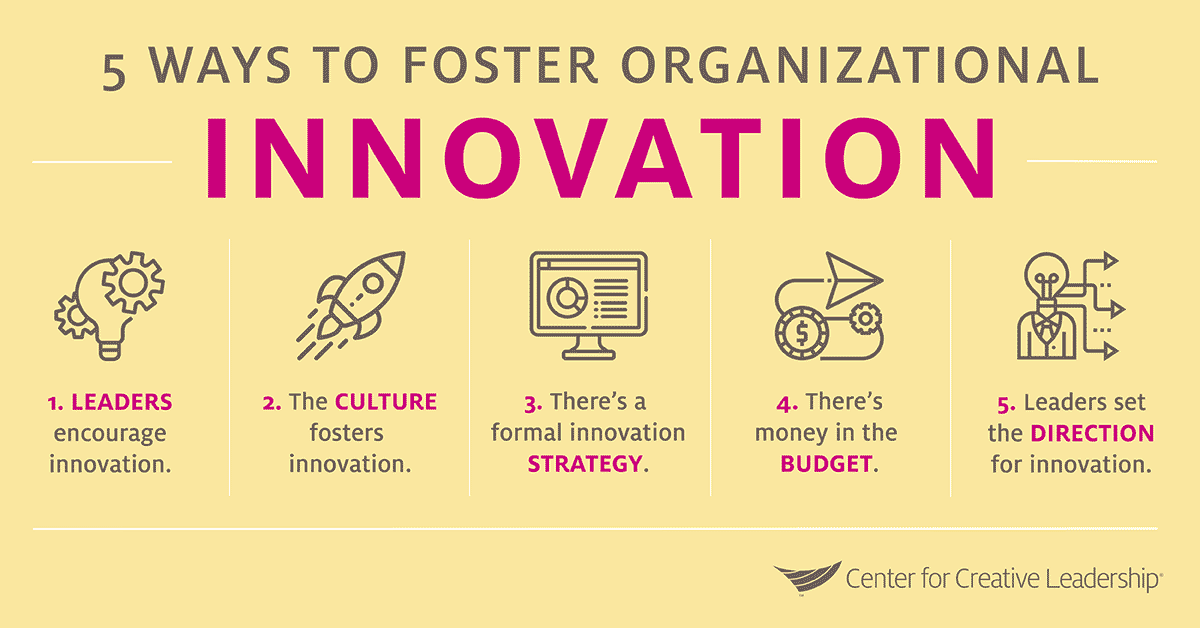
How do firms internally develop innovation? Creating a culture of innovation within a company requires more than just providing resources and access to technology. It starts with fostering an environment that encourages creativity, collaboration, risk-taking, and open communication.
Encouraging Creativity
Companies should strive to create an atmosphere where employees feel comfortable expressing their ideas without fear of judgment or criticism. This means creating opportunities for brainstorming sessions and encouraging employees to think outside the box when it comes to problem-solving.
Leaders should also recognize innovative contributions from team members to foster a sense of appreciation and reward creative thinking.
Embracing Failure
Innovation often involves taking risks that may not always pay off. To promote experimentation without fear of failure, companies must embrace the idea that mistakes are part of the learning process rather than punishing them for trying something new.
By allowing teams to take risks while understanding that failure is sometimes inevitable, they will be more likely to come up with groundbreaking solutions over time.
Open Innovation
Open innovation is a concept whereby organizations collaborate externally with other firms or individuals to develop new products or services faster than if they were working alone internally. This type of collaboration allows companies access to additional resources and expertise which can help speed up the development process while still maintaining control over their intellectual property rights (IPR).
Additionally, open innovation provides organizations with greater visibility into what’s happening in their industry so they can stay ahead of trends before competitors do.
Disruptive Innovation
Disruptive innovation refers to innovations that have the potential for significant disruption within existing markets or industries due largely due their low-cost structure compared to incumbents’ offerings combined with improved performance characteristics.
Examples include Uber disrupting traditional taxi services through ride-sharing technology and Airbnb disrupting hotel chains through peer-to-peer rental accommodations.
These types of disruptive innovations require strong leadership support from executives who understand how these technologies could potentially revolutionize entire industries if implemented correctly. This makes them key drivers behind successful internal innovation initiatives at many companies today.
Developing innovative solutions within any organization requires more than just having access to cutting-edge technology. It starts with cultivating an environment where creativity is encouraged and risk-taking is embraced as part of the learning process.
(Source)
Benefits of Internal Innovation
Internal innovation leads to a range of benefits for firms. Here are some of the benefits of internal innovation strategies.
Cost Savings
Cost savings is one of the most significant advantages, as it allows companies to reduce their expenses and increase their profits. For example, by leveraging existing resources and expertise, organizations can save money on research and development costs while still producing high-quality products or services.
Increased Efficiency
Increased efficiency is another benefit of internal innovation initiatives. By developing collaborative partnerships with external organizations and experts, firms can access specialized knowledge that would otherwise be unavailable internally. This helps them speed up the process of product or service development while also ensuring quality results in a shorter amount of time than if they were working alone.
Furthermore, using data analytics tools enable teams to monitor progress against key performance indicators (KPIs) more effectively so they can adjust their strategies accordingly for maximum efficiency gains.
The potential for cost savings, increased efficiency, and improved quality are all great benefits of internal innovation.
Key Takeaway: Internal innovation initiatives can provide firms with cost savings, increased efficiency, and access to specialized knowledge.
Challenges of Internal Innovation
How do firms internally develop innovation? Internal innovation initiatives can be a great way for firms to gain a competitive advantage, reduce costs, and improve efficiency. However, several challenges must be overcome to successfully implement these initiatives.
Limited Resources
One of the biggest challenges faced by firms when implementing internal innovation initiatives is limited resources. This includes financial constraints as well as a lack of personnel or expertise needed to carry out the initiative.
For example, if a firm wants to develop new products or services but lacks the necessary funding or personnel with relevant experience, it may struggle to make progress on its goals.
Lack of Expertise
Another challenge faced by firms when attempting internal innovation is a lack of expertise within their organization. Even if they have access to the necessary resources and funds, without having people with specific skill sets on staff they may not be able to effectively execute their plans.
This could include anything from software development knowledge and engineering skillset to marketing and sales know-how.
Time Constraints
Time constraints can be a major hurdle for firms looking to innovate internally. With limited resources, projects may take longer than expected to come together. This delays results due to competing priorities within the organization.
Overall, while internal innovation initiatives offer numerous benefits they also come with several potential challenges that must be addressed for them to succeed in meeting their desired outcomes such as cost savings and improved quality over time.
To do this, successful implementation strategies should be tailored specifically towards overcoming those obstacles mentioned above including leveraging existing resources and expertise along with utilizing technology solutions where applicable. Additionally, best practices should be developed around measuring success against established key performance indicators (KPIs).
Despite the challenges of internal innovation, companies can still achieve success through leveraging existing resources and expertise, utilizing technology solutions to streamline processes and reduce costs, and developing collaborative partnerships with external organizations and experts. By taking advantage of these strategies, firms can maximize their chances for successful innovation development.
Key Takeaway: Internal innovation initiatives can be beneficial for firms, but they come with challenges such as limited resources, lack of expertise, and time constraints. To overcome these obstacles, successful implementation strategies should include leveraging existing resources and expertise, utilizing technology solutions, and measuring success against established KPIs.
Strategies for Overcoming Challenges of Internal Innovation
Leveraging Existing Resources and Expertise
How do firms internally develop innovation? To overcome the challenges associated with internal innovation initiatives, firms should consider leveraging existing resources and expertise.
This could include utilizing existing personnel or equipment in new ways, such as repurposing a machine for a different purpose or task. Additionally, by taking advantage of existing knowledge within the organization, companies can save time and money while also ensuring that their innovations are built on a solid foundation.
Utilizing Technology Solutions
Utilizing technology solutions to streamline processes and reduce costs is another important strategy for overcoming challenges related to internal innovation initiatives. By investing in automation tools or software applications designed specifically for R&D teams, organizations can improve efficiency while reducing labor costs associated with manual tasks.
Additionally, these technologies often provide access to data analytics which can be used to monitor progress against key performance indicators (KPIs).
Developing Collaborative Partnerships
Finally, developing collaborative partnerships with external organizations and experts is an effective way of gaining access to specialized skill sets without having to hire additional personnel internally. By partnering with other businesses or individuals who have experience in areas related to your project goals, you can benefit from their knowledge without having them become part of your team permanently. These partnerships may lead to further opportunities down the line such as joint ventures or shared resources which could help drive future success.
By developing strategies to overcome the challenges of internal innovation, such as leveraging existing resources and expertise, utilizing technology solutions, and forming collaborative partnerships with external organizations and experts, companies can create a foundation for successful initiatives that will help them achieve their goals.
Key Takeaway: Firms should consider leveraging existing resources and expertise, utilizing technology solutions, and developing collaborative partnerships to ensure successful internal innovation initiatives. These strategies can help gain access to specialized skill sets while also improving efficiency and reducing labor costs.
Conclusion
How do firms internally develop innovation? Internal innovation can be a powerful tool for firms to develop and maintain competitive advantages. However, there are challenges associated with developing and implementing successful internal innovation initiatives.
By understanding the benefits of internal innovation, identifying potential challenges, utilizing strategies to overcome these obstacles, following best practices when implementing initiatives, and measuring success accordingly, firms can ensure their efforts in internally developing innovation are effective and worthwhile.
Are you an R&D or innovation team looking to quickly and efficiently develop new ideas? Cypris is the perfect platform for you! Our research platform provides a centralized data source, giving your team rapid time-to-insights.
With our intuitive interface and easy onboarding process, we make sure that you can start innovating faster than ever before. Sign up now to revolutionize the way your company develops innovative solutions!

How do companies encourage innovation? This is a question that many organizations grapple with, and the answer isn’t always straightforward. Businesses need to understand how they can best foster an environment of creativity and exploration if they are going to stay competitive in today’s market.
We’ll explore what innovation is, how companies can encourage it within their teams, common challenges faced when attempting to do so, and the strategies for overcoming those obstacles. So let’s answer together: how do companies encourage innovation?
Investing in the development of technical and soft skills amongst staff is essential for companies that wish to foster a culture of innovation. This could involve providing educational opportunities such as workshops or seminars, offering mentorship programs, or encouraging cross-functional collaborations across departments. These activities not only help build capacity but also create an environment conducive to generating creative solutions.
Table of Contents
How Do Companies Encourage Innovation?
Creating a Culture of Creativity and Risk-taking
Establishing a Supportive Environment
Fostering a Collaborative and Positive Team Structure
Challenges to Encouraging Innovation in Companies
Lack of Resources and Time Constraints
Innovation Strategies to Encourage Employees
Leveraging Automated Processes
How Do Companies Encourage Innovation?
Innovative companies capture the market and avoid lagging. But how do companies encourage innovation? We take a look at some ways to foster workplace innovation.
Creating a Culture of Creativity and Risk-taking
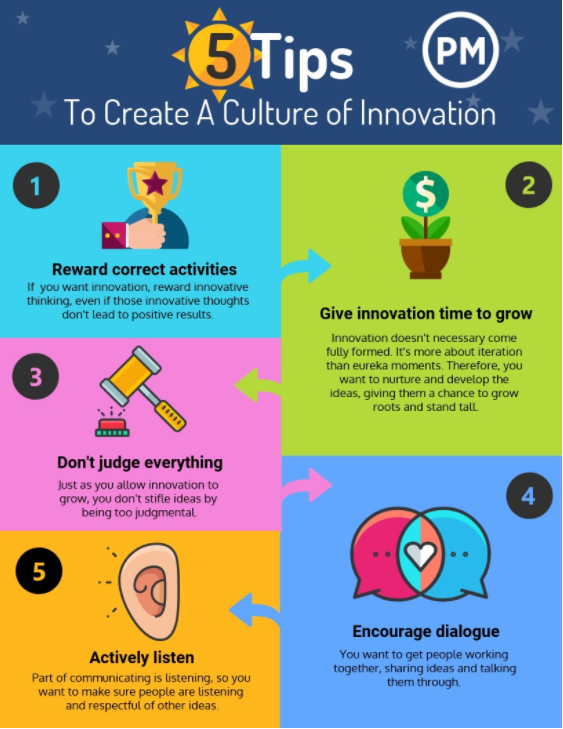
Companies can foster innovation by creating an environment that encourages creativity and risk-taking. This means providing employees with the freedom to explore new ideas, try out different approaches, and take calculated risks.
To do this, companies should focus on building trust between management and employees, allowing for open communication where ideas are shared without fear of judgment or criticism. They should provide resources such as training opportunities to help develop skills related to creative problem-solving.
Finally, managers need to reward innovative thinking with recognition or other incentives to encourage further exploration of new ideas.
Establishing a Supportive Environment
Innovation thrives when teams feel supported in their work. Companies can create a supportive environment by making sure that everyone feels heard during meetings and brainstorming sessions.
This includes actively listening to all opinions while also being mindful not to shut down any potential solutions too quickly due to preconceived notions about what might be possible or practical.
Additionally, companies need to provide access to tools that allow teams the flexibility needed to explore various options without feeling limited by outdated systems or processes.
(Source)
Fostering a Collaborative and Positive Team Structure
Encouraging collaboration among team members is key when trying to promote innovation within an organization. Having multiple perspectives working together towards common goals often leads to more creative solutions than if one person was working alone on the same task.
Companies should strive for positive team dynamics where each individual feels valued regardless of their position within the company hierarchy. This will help ensure that everyone has an equal opportunity for input. This may lead them towards unexpected but valuable insights into how best to approach certain challenges faced by the organization as a whole.
Capacity Development
Innovation requires individuals who have both technical know-how as well as soft skills like critical thinking and problem-solving abilities. Companies must invest time into developing these capacities amongst their staff if they want them to be able to generate fresh ideas consistently over time.
This could involve:
- Providing educational opportunities such as workshops or seminars aimed at helping employees hone specific skill sets relevant to their job roles.
- Offering mentorship programs so they can learn from experienced professionals.
- Encouraging cross-functional collaborations across departments so people gain exposure outside their usual scope of work.
All these activities serve not only to build up capacity but also to cultivate an atmosphere conducive to generating innovative solutions.
In encouraging employee innovation, companies should innovate their culture, structure, and how they treat employees and team members. Companies that reward innovation by creating valuable support systems, encouraging risk-taking, and continuous professional development are more likely to succeed and lead the market.
Companies that want to encourage innovation must create a culture of creativity & risk-taking, provide resources, and reward successful innovations. #innovation #creativity Click to Tweet
Challenges to Encouraging Innovation in Companies
How do companies encourage innovation? Encouraging innovation in companies can be a difficult task, as several challenges must be overcome.
Lack of Resources and Time Constraints
One of the most common challenges for innovative companies is a lack of resources and time constraints. Companies often struggle to find enough resources to invest in research and development (R&D) initiatives or devote sufficient time for employees to explore new ideas. This can lead to stagnation within the organization, preventing it from taking advantage of opportunities for growth and progress.
Fear of Failure
Fear of failure and risk aversion are challenges that a company faces when trying to transform into an innovative organization. Employees may hesitate to take risks due to fear of repercussions if their ideas fail or do not meet expectations. This reluctance can stifle creativity and prevent teams from exploring potential solutions that could benefit the company in the long run.
Resistance to Change
Finally, resistance to change and adaptation is a major obstacle when attempting to encourage innovation within an organization. Many people become comfortable with existing processes and systems, making them resistant to any changes proposed by others, even if those changes could improve efficiency or productivity levels significantly over time.
Leaders within organizations need to recognize this issue so they can create strategies for overcoming it. Examples are providing incentives for embracing new technologies or rewarding employees who come up with successful innovations despite initial resistance from colleagues.
Despite the challenges of encouraging innovation in companies, some strategies can be implemented to overcome these obstacles and create a culture of innovation. By investing in R&D, embracing technology and automation, and fostering collaboration and open communication, companies can take steps towards creating an environment where innovative ideas are welcomed and encouraged.
Encouraging innovation in companies can be challenging. Lack of resources, fear of failure, and resistance to change are common obstacles. Leaders must create strategies for overcoming these issues. #innovation #R&D #businessgrowth Click to Tweet
Innovation Strategies to Encourage Employees
How do companies encourage innovation? Companies that embrace innovation are more likely to stay ahead of their competition and remain competitive in the marketplace. However, there are several challenges that companies must overcome to encourage innovation within their organization.
Investing in R&D
Investing in research and development (R&D) is one way for companies to foster innovation and stay ahead of the competition. By investing in R&D activities such as research projects, technology development initiatives, and new product design efforts, companies can create an environment where employees feel empowered to come up with creative solutions and innovative ideas.
Additionally, it allows them access to resources they may not have had before which could help spur further creativity and exploration into new areas of research or development.
Leveraging Automated Processes
Leveraging automated processes such as machine learning algorithms or artificial intelligence systems is another strategy for encouraging innovation within organizations. Businesses can streamline operations while also creating opportunities for employees to explore more creative solutions without having to worry about mundane tasks taking away valuable time spent on problem-solving activities.
This type of automation frees up time for team members so they can focus their efforts on higher-level thinking instead of tedious manual labor tasks that don’t require much thought but still take up precious time during the workday.
Key Takeaway: Companies can foster innovation by investing in R&D and leveraging automated processes such as machine learning algorithms or artificial intelligence systems. This allows employees to focus on creative solutions while freeing up time for higher-level thinking.
Conclusion
Innovation is a key component of any successful business and companies must be proactive in encouraging it. But how do companies encourage innovation?
Companies should strive to create an environment that fosters creativity and encourages employees to think outside the box. There are challenges associated with this process which can be overcome by developing strategies such as providing resources for research and development or creating incentives for innovative ideas.
Are you an R&D or innovation team looking for a better way to stay ahead of the competition? Cypris is here to help.
Our platform centralizes data sources and provides rapid time-to-insights so that teams can quickly find solutions and innovate faster than ever before. With our intuitive interface, your company will be able to encourage innovative thinking in no time!