
As an R&D platform and custom report service, search functionality for our users is key.
That's why we're thrilled to announce our platform's user experience and research capabilities just got better. Meet Quick Search, a new search bar that delivers information to our users faster than ever.
What's New with this Launch?
The previous search functionality allowed for search only by keywords. With Quick Search, users can now search by patent and research paper titles in addition to keywords.
What's the User Experience Like?
As you type in your search (keyword, patent, or research paper) you'll see a live tally of the data by category available for that search.
From there, you can click into individual data sections or build a report pulling from all available data streams.
0:00/1×
Have questions or comments? Feel free to reach out to us at info@ipcypris.com for more information.
Meet Quick Search, Our New Functionality



As an R&D platform and custom report service, search functionality for our users is key.
That's why we're thrilled to announce our platform's user experience and research capabilities just got better. Meet Quick Search, a new search bar that delivers information to our users faster than ever.
What's New with this Launch?
The previous search functionality allowed for search only by keywords. With Quick Search, users can now search by patent and research paper titles in addition to keywords.
What's the User Experience Like?
As you type in your search (keyword, patent, or research paper) you'll see a live tally of the data by category available for that search.
From there, you can click into individual data sections or build a report pulling from all available data streams.
0:00/1×
Have questions or comments? Feel free to reach out to us at info@ipcypris.com for more information.
Keep Reading

Navigating patent litigation strategy can be a daunting task for R&D and innovation teams. Patent infringement lawsuits often involve complex legal proceedings, with many steps to ensure the success of your case. Preparing for potential disputes requires strategic foresight in order to develop an effective patent litigation strategy that will protect your business interests.
This article covers the fundamentals of what you need to know about patent litigation strategies including:
- What is patent litigation?
- Preparing for patent litigation.
- Filing a lawsuit for patent infringement.
- The discovery process in patent litigation.
- Trial preparation.
- Resolution in patent litigation.
With these insights into developing a strong patent litigation strategy, you’ll have all the knowledge necessary when navigating through any future disputes involving intellectual property rights.
Table of Contents
Preparing for Patent Litigation
Filing a Lawsuit for Patent Infringement
The Discovery Process in Patent Litigation
Trial Preparation and Resolution in Patent Litigation
Pre-Trial Motions and Markman Hearings
Jury Selection and Trial Proper
Verdict and Post-Trial Motions
FAQs About Patent Litigation Strategy
What is meant by patent litigation?
Are patents subject to litigation?
Is patent prosecution considered litigation?
Where are patent cases litigated?
What is Patent Litigation?
Patent litigation is a legal process used to protect and enforce patent rights. It involves filing a lawsuit against an infringer who has allegedly violated the patent holder’s exclusive right to make, use or sell the patented invention. Patent litigation can be divided into two main types: infringement actions and validity actions.
Infringement actions involve claims that another party has made, used, or sold a product without permission from the patent holder. In these cases, the court will determine whether there was an actual violation of the patent rights and if so, what remedies should be granted to compensate for any losses suffered by the plaintiff as a result of such infringement.
Validity actions are brought when one party challenges another’s claim of ownership over a particular invention or technology. The court will decide whether or not the challenged patent is valid based on its merits and evidence presented in court.
Don’t get caught in a patent pickle! Make sure you have the right strategy for litigation to protect your inventions and technologies. #PatentLitigationStrategy #Innovation Click to Tweet
Preparing for Patent Litigation
Preparing for patent litigation is an important step in protecting your intellectual property. It requires understanding your patents and rights, researching the opposing party’s patents and rights, and developing a strategy for a successful outcome.
Before filing a lawsuit or responding to one, it is important to understand what you are claiming ownership of. This includes reviewing all relevant documents such as patent applications, assignment agreements, and licenses to ensure that you have the right to enforce any claims of infringement.
Additionally, familiarizing yourself with the scope of protection afforded by each patent can help identify potential infringers more quickly.
Once you have identified potential infringers or had been served with a complaint alleging infringement, conduct research on your own intellectual property portfolio. This will provide insight into their defenses against your claim or any counterclaims they may bring against you.
Key Takeaway: Patent litigation requires a thorough understanding of your own patents and rights, as well as research into the opposing party’s intellectual property portfolio.
Filing a Lawsuit for Patent Infringement
Before filing, it’s important to understand the jurisdiction and venue of the case. Jurisdiction refers to which court will hear the case, while the venue is where the trial will take place.
Generally, you can file a lawsuit in either federal or state court depending on where the defendant resides or does business.
Once you have determined jurisdiction and venue, you must draft a complaint that outlines all of your claims against the defendant. The complaint should include information about who owns each patent at issue as well as any other relevant facts related to infringement allegations.
After drafting your complaint, it must be served on the defendant by someone over 18 years old who is not involved in litigation (e.g., sheriff).
When responding to counterclaims during litigation proceedings, it is important to remember that they may challenge various aspects of your patents such as validity or enforceability. To successfully defend against these challenges, you must provide evidence that supports your claims regarding ownership and infringement allegations outlined in your original complaint.
If necessary, seek legal advice from experienced attorneys familiar with patent law before proceeding with any action related to defending yourself against counterclaims.
Protect your intellectual property with a patent litigation strategy! Before filing, know the jurisdiction and venue. Serve the defendant and be prepared to defend against counterclaims or defenses. #patentlaw #litigationstrategy Click to Tweet
The Discovery Process in Patent Litigation
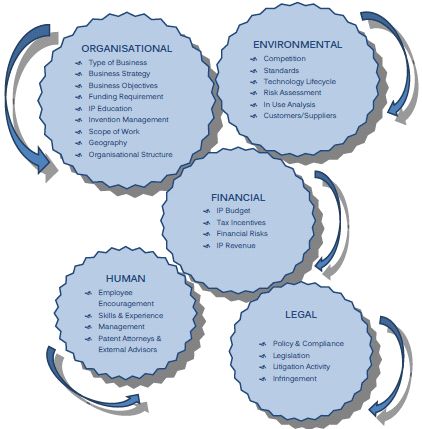
Discovery in patent litigation is a crucial part of the legal process. It involves document requests, interrogatories, depositions, expert witnesses, and motion practice.
Document requests are formal written requests for documents that are relevant to the case at hand. These can include any information related to the patents or rights being litigated upon such as contracts, emails, financial records, and more.
Interrogatories are questions posed by one party to another that must be answered under oath.
Depositions involve sworn testimony from witnesses who have knowledge of the facts surrounding the case and provide evidence for either side’s argument.
Obtaining expert witnesses is an important step in patent litigation as they provide expertise on specific topics related to the case which can help determine liability or damages awarded in a lawsuit. They may also be used during deposition proceedings where their opinion can be challenged by opposing counsel if necessary.
(Source)
Trial Preparation and Resolution in Patent Litigation
Pre-Trial Motions and Markman Hearings
Pre-trial motions are filed before the trial begins, typically to address procedural issues or to narrow the scope of evidence that will be presented.
A Markman hearing is a type of pre-trial motion in which a judge reviews the patent claims at issue and determines how they should be interpreted. This helps ensure that both parties understand what is being disputed in the case.
Jury Selection and Trial Proper
Jury selection involves selecting jurors who can make impartial decisions based on the facts presented during trial proceedings.
The opening statement outlines each party’s position in relation to their legal arguments and provides an overview of what evidence will be presented during the trial.
Evidence presentation includes witness testimony as well as documents such as contracts or emails that support either side’s argument.
During closing arguments, attorneys summarize their respective cases by highlighting key points from the evidence presented throughout trial proceedings.
Verdict and Post-Trial Motions
After all of the evidence has been heard and closing statements have been made by both sides’ attorneys, it is up to jurors to decide whether one party has infringed upon another’s patent rights or not.
If infringement is found then damages may also be awarded depending on jurisdiction laws regarding patent litigation cases.
Following a verdict, there may still be post-trial motions such as requests for new trials or appeals filed by either side if they feel that justice was not served properly during initial proceedings.
Key Takeaway: Patent litigation strategy involves several steps, including pre-trial motions and Markman hearings, jury selection, evidence presentation, closing arguments, and post-trial motions if necessary.
FAQs About Patent Litigation Strategy
What is meant by patent litigation?
Patent litigation is the legal process by which the owner of a patented product can sue someone for manufacturing and selling it without the owner’s permission.
Are patents subject to litigation?
Patents, which are granted by a governmental agency, are enforced by the private efforts of their holders. If the owner of a patented invention feels that another entity is violating its rights, it may file a lawsuit for infringement in a U.S. district court.
Is patent prosecution considered litigation?
The process of filing and pursuing a US patent application with the patent office is commonly known as patent prosecution. This process is not the same as patent litigation which is the process of enforcing a patent in court.
Where are patent cases litigated?
All patent litigation occurs either in federal district courts or in the International Trade Commission.
In patent litigation in federal district courts, the patent owner can seek an injunction, basic economic, potentially enhanced damages, and attorneys’ fees.
Conclusion
Patent litigation is a complex process that requires careful preparation and strategic thinking. A comprehensive patent litigation strategy should be developed to ensure the best possible outcome for your business.
It is important to understand the various steps involved in patent litigation, such as filing a lawsuit for infringement and preparing for discovery and trial resolution. By taking the time to develop an effective patent litigation strategy, you can protect your intellectual property rights while also avoiding costly legal disputes.
Are you an R&D or innovation team looking to better understand and navigate the complexities of patent litigation? Cypris provides a comprehensive research platform that centralizes all relevant data sources into one location, giving teams access to rapid insights.
Streamline your process with our innovative tools today – let us help you make informed decisions about patent litigation strategies quickly and easily!

Patent portfolio management is an essential part of the research and development process for many companies. It involves creating a strategy to protect your intellectual property rights by filing patents, tracking existing patents, and managing potential infringement cases. The challenge lies in effectively navigating this complex landscape while staying ahead of competitors and ensuring that valuable inventions are adequately protected.
To help with these tasks, organizations can leverage tools such as Cypris’ patent portfolio platform which provide access to data sources needed for efficient patent analysis and management.
In this blog post, we’ll explore what patent portfolio management is all about and how to create a successful IP strategy.
Table of Contents
What is Patent Portfolio Management?
Benefits of Patent Portfolio Management
Creating a Patent Portfolio Strategy
Identifying Your Goals and Objectives
Analyzing Your Market and Competitors
Developing a Plan for Filing Patents
Challenges of Patent Portfolio Management
Keep Track of Deadlines and Fees
Stay Up To Date With Changes In Technology
How Can Cypris Help With Patent Portfolio Management?
FAQs About Patent Portfolio Management
What is patent portfolio analysis?
How do you create a patent portfolio?
How does the company benefit from a patent portfolio?
What is Patent Portfolio Management?
Patent portfolio management is the process of managing a company’s intellectual property (IP) assets, including patents, trademarks, copyrights, and trade secrets. It involves creating strategies to protect IP from infringement or unauthorized use by competitors and other third parties. The goal of patent portfolio management is to maximize the value of a company’s IP while minimizing risks associated with its ownership.
Benefits of Patent Portfolio Management
By effectively managing their patent portfolios, companies can increase their competitive advantage in the marketplace through protection against potential infringers. They can also create revenue streams through licensing agreements with others who wish to use their patented technologies.
Additionally, having a well-managed patent portfolio allows organizations to better understand what areas they should focus on for future innovation efforts and how best to monetize those inventions.
There are three main types of patents.
Utility patents cover inventions that have practical applications. Design patents cover new ornamental designs for products. Plant patents cover newly developed varieties of plants created through human intervention.
Utility patents provide exclusive rights over an invention for up to 20 years after the filing date, while design patents last 14 years. Plant patents last 17 years from the issue date.
Each type provides different levels of protection depending on the nature of the invention but all are important components in any comprehensive patent strategy.
Now let’s look at how to create a patent portfolio strategy.
Key Takeaway: Patent portfolio management is an essential tool for R&D and innovation teams to maximize the value of their intellectual property. With the right strategy, you can ensure your patents are well-maintained and protected while also providing a competitive advantage.
Creating a Patent Portfolio Strategy
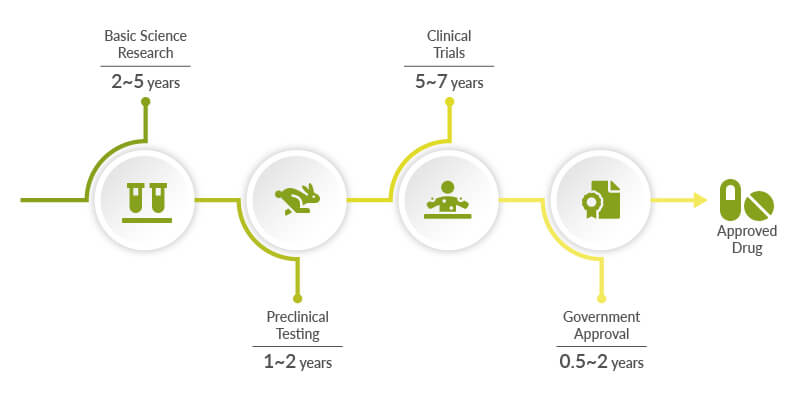
Creating a patent portfolio strategy is an important step for any R&D or innovation team. A successful patent portfolio should be tailored to the specific needs of the organization and take into account its goals, objectives, market conditions, competitors, and legal landscape.
Identifying Your Goals and Objectives
The first step in creating a patent portfolio strategy is to identify your organization’s goals and objectives. This includes understanding what type of patents you need, how many patents you want to file each year, where you plan on filing them, and how much money you are willing to spend on filing fees.
You should also consider whether your goal is simply protection from infringement or if it’s more focused on monetization through licensing opportunities.
Analyzing Your Market and Competitors
Once your goals have been identified, it’s time to analyze the market conditions as well as your competitors’ existing portfolios. This will help inform decisions about which technologies may not yet be covered by existing IP rights held by others in the industry.
It can also provide valuable information about potential licensing opportunities with other companies in the space who might benefit from access to certain technology owned by your company but is not currently being used commercially.
Developing a Plan for Filing Patents
After identifying goals and analyzing the market conditions, it’s time to develop a plan for filing new patents. This includes deciding when applications should be filed as well as determining which countries/regions they should be filed in.
Additionally, this phase involves researching prior art so that claims can accurately reflect what has already been done before while still providing sufficient novelty over existing solutions.
(Source)
Challenges of Patent Portfolio Management
Managing a patent portfolio can be a complex and time-consuming task. Keeping track of deadlines and fees, understanding the legal landscape, and staying up to date with changes in technology are all challenges that need to be addressed.
Keep Track of Deadlines and Fees
Patent portfolios require constant monitoring for compliance with filing requirements such as deadlines for payment of maintenance fees or renewal dates. Missing these important dates can lead to costly consequences including loss of rights or invalidation of patents. To ensure timely payments are made, automated tracking systems should be used to monitor patent status and alert users when action is required.
Study the Legal Landscape
Patents involve intricate legal processes which vary from country to country, that’s why it is essential to study the relevant laws governing intellectual property rights. Online research platforms provide access to detailed information on international patent law so teams can stay informed about current regulations and trends affecting their patents.
Stay Up To Date With Changes In Technology
Technology advances quickly, therefore it’s important for R&D teams to keep abreast of new developments in their field that could impact existing patents or future applications. Artificial intelligence (AI) solutions allow companies to quickly identify potential threats posed by emerging technologies while also uncovering opportunities for innovation within their own industry space.
Key Takeaway: Managing a patent portfolio requires staying on top of deadlines, understanding legal processes, and keeping up with changes in technology.
How Can Cypris Help With Patent Portfolio Management?
Cypris allows users to easily access all relevant information in one place. This includes patent filings, competitor analysis, legal documents, and more. By having everything in one location, teams can quickly identify trends and opportunities for growth without wasting time searching through multiple databases or applications.
Additionally, this helps reduce errors that could lead to costly mistakes down the line.
With Cypris’s intuitive search capabilities and automated tracking systems, teams can save valuable time when researching new ideas or conducting competitive analysis on existing patents. The platform also provides a variety of tools such as AI-powered analytics which allow users to quickly assess potential risks associated with a particular patent application before it is filed – saving both time and money!
Patent portfolios are often managed by multiple departments within an organization including research and development, product development, and commercialization engineering teams. With Cypris’s collaboration features such as real-time chatrooms and document-sharing capabilities, these different groups can work together seamlessly from anywhere in the world!
Overall, using Cypris for managing your patent portfolio will help you stay organized while maximizing efficiency across all areas of your business operations.
FAQs About Patent Portfolio Management
What is patent portfolio analysis?
A patent portfolio analysis identifies all the patented inventions of a company or a competitor. The analyzed portfolios include both published and granted U.S. patents.
Companies or entities may compare their portfolio of intellectual property with that of their competitors.
How do you create a patent portfolio?
- Identify your business goals.
- Set a budget.
- Complete an IDR for each valuable idea.
- Sort the IDRs according to priority.
- Identify any filing deadlines.
- Estimate your filing costs.
- Create a filing calendar.
How does the company benefit from a patent portfolio?
Maintaining a patent portfolio is important for staying ahead of the competition. By keeping track of your patent holdings and coordinating them with your business strategies, you can increase your company’s profits.
Conclusion
Cypris provides a comprehensive platform for patent portfolio management that helps teams quickly access data sources, create strategies, and stay up-to-date on trends in the industry. By leveraging this powerful tool, teams can ensure they are making informed decisions about their patent portfolios and maximizing their return on investment.
Are you struggling to effectively manage your patent portfolio? Cypris is the perfect solution for R&D and innovation teams looking to gain time-to-insights.
Our platform centralizes all data sources into one user-friendly interface, allowing users to quickly understand their portfolios and make informed decisions. Try Cypris today – streamline your research process and take control of your patents!

Are you looking to further your research and development? Finding the right information is key in any innovation process, but it’s not always easy. Learning how to search for a research paper that is apt for your current project is an essential skill that R&D leaders should possess.
In this article, we look at how to find reliable sources, tips on finding relevant papers, and utilizing resources so you can make your review of related literature more efficient. Let’s learn together how to search for a research paper.
Table of Contents
Narrowing Down Your Topic for Literature Review
Defining Your Research Question
Search Techniques in Reviewing Related Literature
Start With Broad Research Databases
Look Into Specialized Research Databases
Additional Tips for Finding Research Papers
Conclusion: How to Search for a Research Paper
Narrowing Down Your Topic for Literature Review
When it comes to learning how to search for a research paper, the important first step is narrowing down your topic. It can be difficult to find relevant research papers if you don’t have a specific focus. Narrowing down your topic helps ensure that you are seeing the most accurate and up-to-date information available.
Defining Your Research Question
The first step in narrowing down your topic is defining your research question. This should be as specific as possible so that you can easily identify relevant sources of information.
Begin by asking yourself broad questions about the topic of interest. This can be done through brainstorming, reading literature, or talking with experts in the field. Consider what topics need further exploration and how your study could contribute to existing knowledge on the subject.
Once you have identified an area of interest, narrow down your focus by considering what specific information would be most beneficial to answer this broader question. Think about who or what might benefit from having this information and why it is important to investigate now rather than later.
After narrowing down your focus, create a more specific research question that will guide your investigation into the issue at hand. Make sure that it is measurable so that results can easily be interpreted and analyzed upon completion of the study.
Additionally, consider whether there are ethical implications associated with collecting certain types of data or conducting certain experiments before finalizing your questions.
Identifying Keywords
Once you have defined your research question, it’s time to start identifying keywords related to it. These will help you search more effectively when looking for sources of information.
By using relevant and specific keywords, you can narrow down your search results and find more targeted information quickly.
The essential step in identifying keywords is brainstorming ideas related to your research question. Think about all of the different terms that could be used to describe what you’re looking for and write them down on a piece of paper or in a document on your computer.
It might help to think of synonyms as well as related topics or concepts that could be associated with what you’re researching.
Narrowing down your topic is essential in improving how to search for a research paper. Once you have a more specific field of research, you can easily brainstorm keywords that will serve as your search terms when looking at search engines.
Search Techniques in Reviewing Related Literature
Once you have narrowed down your topic and identified keywords, it’s time to look for related research articles. Using your identified keywords as search terms, you can now begin compiling different journal articles.
Start With Broad Research Databases
To start your journal article hunt, begin by searching broad research databases such as JSTOR or Google Scholar. These will provide you with a wide range of results that you can then narrow down further.
Searching on JSTOR can be done in two ways – by keyword or by subject area. To search by keyword simply enter your query into the search box at the top of any page on the site. If you’re looking for something specific then it’s best to use quotation marks around your keywords so that only exact matches are returned in your results list.
Alternatively, you can browse through different subject areas using the Browse tab located at the top right corner of every page on JSTOR. This will give you a list of all available subjects which can then be further refined with additional filters such as language or publication date range.
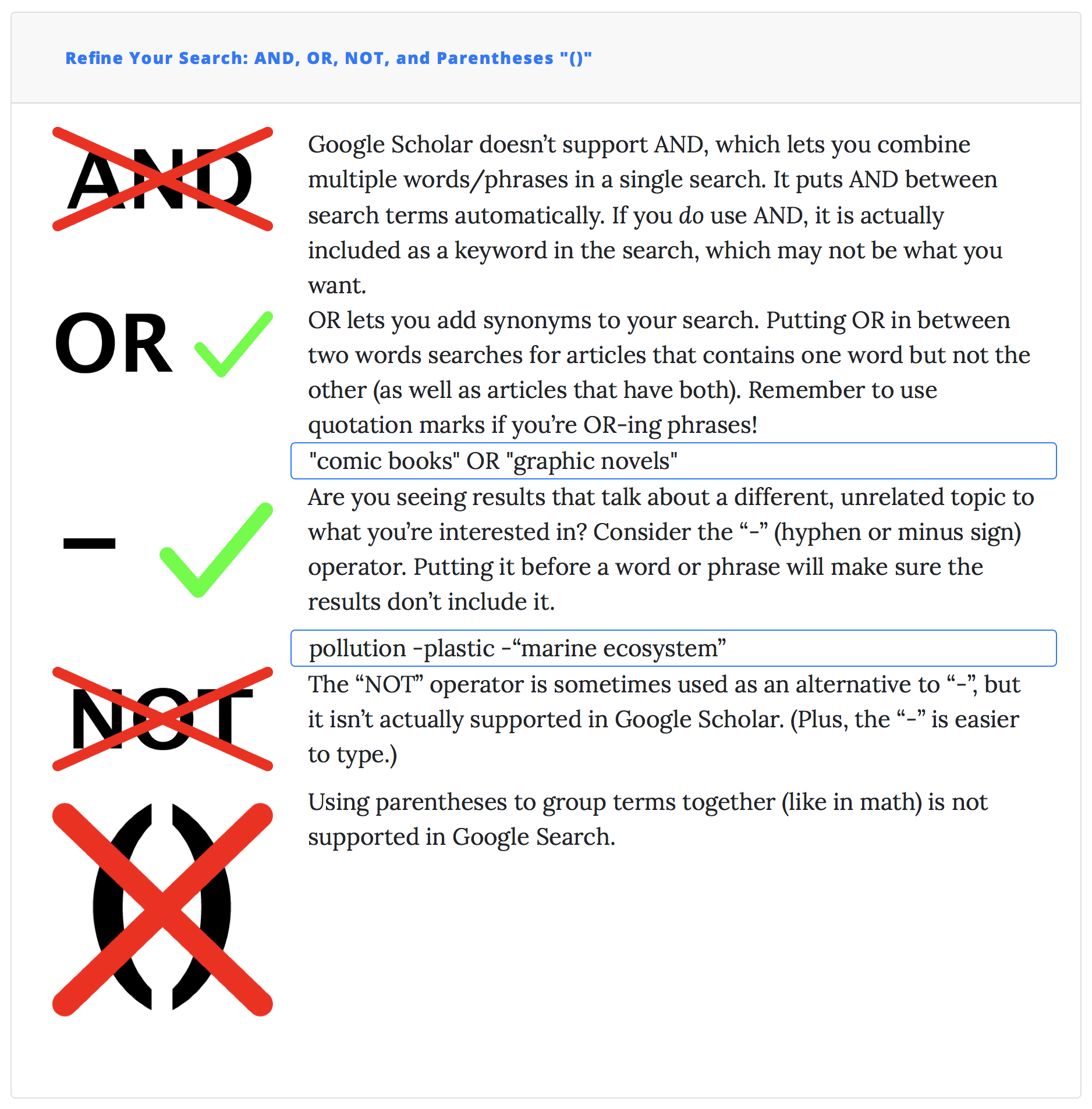
Meanwhile, using Google Scholar effectively requires understanding how it works and knowing what kind of information you are looking for. To get the most out of your searches on Google Scholar start by using keywords that are specific to your topic or question.
Additionally, use advanced search techniques like using options for author name or journal title to narrow down results even further. You can also filter by date range if you’re looking for recent publications in your field.
Lastly, don’t forget about related articles which appear at the bottom of each article page. These can be great resources when exploring new topics!
(Source)
Look Into Specialized Research Databases
Once you have identified some relevant articles from these general searches, consider looking into more specialized databases that cater to specific niches. For example, if you are researching a topic related to psychology or neuroscience, PsycINFO may offer more targeted results than other search engines.
Open-access journals are also helpful when conducting literature reviews since they allow free access to all content without requiring payment or subscription fees.
This is especially useful for those who may not otherwise have access to paywalled articles due to financial constraints or other reasons.
Additional Tips for Finding Research Papers
Using search engines, databases, and open-access journals is the start of finding relevant research. Building on preliminary research and being organized is essential. Here are some more tips on finding research papers.
- Keep track of what you have searched and the keywords used. This will help you keep up with what has been done so far and save time in the long run.
- Organize the papers using dates, author names, or keywords. This will make it easier to locate specific documents when needed. Reference managers often have ‘tagging’ tools which can be useful here too!
- Identify connecting papers. Start with recent research as this will point to older work on that topic and may also identify key authors for your search. This can help you find more research articles that will point to more journal articles in their references as well.
- Read the abstracts first. These provide a quick overview of each paper’s content, allowing you to determine whether they are relevant before reading further into them or not.
Conclusion: How to Search for a Research Paper
In conclusion, learning how to search for a research paper might be intimidating in the beginning. However, with the right strategies and resources in place, you can make the process much easier.
Start by narrowing down your topic and identifying key phrases. Use these key phrases in your search query, so academic search engines can give you better research articles as a result. Finally, build on your preliminary research by looking at connected research.
By doing these steps, you will find researching related literature is easier and less frustrating.
Are you a research and development or innovation team looking for an easy way to find the data sources needed to power your project? Look no further than Cypris, the ultimate platform for R&D and innovation teams. With our simple search engine, you can quickly locate relevant research papers without spending hours scouring through articles. Streamline your workflow with Cypris today!