


Innovation activity in the Lisinopril market has been, as a whole, growing over the last 5 years, with a 25.87% average growth rate. The highest annual increase came in 2018 when MSD filed 6 new patents within the space.
The 369 technologies are being applied within 10 different categories, the fastest growing of which is Biochemistry with a 53.33% increase in new patents filed over the past 5 years. The category “Medical” is seeing a lot of filings by new entrants, so it might be an emerging space worth looking into.
For deeper insights on the pharmaceutical industry or another area of focus, visit ipcypris.com and get started using the innovation dashboard and custom reports.
The top 5 players in the Lisinopril space



Innovation activity in the Lisinopril market has been, as a whole, growing over the last 5 years, with a 25.87% average growth rate. The highest annual increase came in 2018 when MSD filed 6 new patents within the space.
The 369 technologies are being applied within 10 different categories, the fastest growing of which is Biochemistry with a 53.33% increase in new patents filed over the past 5 years. The category “Medical” is seeing a lot of filings by new entrants, so it might be an emerging space worth looking into.
For deeper insights on the pharmaceutical industry or another area of focus, visit ipcypris.com and get started using the innovation dashboard and custom reports.
Keep Reading

Understanding patent lawyer cost is crucial for R&D Managers, Product Development Engineers, Senior Scientists, and other professionals in the research and innovation space. Navigating the complex world of patents can be challenging without expert guidance from experienced patent attorneys.
In this blog post, we will delve into various aspects of patent lawyer cost, such as hourly rates and factors affecting them. Hiring a reliable patent attorney is essential for averting potential issues in the patent process and guaranteeing suitable security of your intellectual property rights.
Furthermore, we’ll explore additional costs associated with obtaining patents like search costs or professional drawing expenses. To help you make an informed decision when selecting a legal representative for your invention’s protection journey, we’ll provide insights on researching credentials and seeking recommendations from peers before engaging an attorney or agent.
Lastly, weighing between self-filing versus engaging professionals is essential to manage your overall patent application cost-effectively; thus our discussion includes examining the pros and cons of both methods while considering alternative strategies such as preparing well for consultations or exploring self-filing options.
Table of Contents
- Patent Lawyer Cost per Hour
- Factors Affecting Patent Lawyer Cost
- Comparing Prices Among Intellectual Property Lawyers
- Importance of Hiring a Patent Lawyer
- Avoiding Common Pitfalls in the Patent Process
- Ensuring Proper Protection of Intellectual Property Rights
- Additional Costs Associated with Obtaining Patents
- Patent Search Costs
- Professional Drawing Expenses
- Filing Fee Variations
- Research Before Hiring an Attorney or Agent
- Checking Credentials and Success Rate
- Seeking Recommendations from Peers
- Self-filing instead of Engaging Professionals
- Pros and Cons of Self-filing
- Managing Patent Costs Effectively
- Preparing well for consultations
- Conclusion
Patent Lawyer Cost per Hour
The cost of engaging a patent attorney can differ significantly based on various components such as area, the legal representative’s proficiency level, and the intricacy of your invention. On average, a patent lawyer charges around $380 per hour, with fees potentially reaching up to the higher range of $800 in major cities such as New York or San Francisco. In major cities like New York or San Francisco, rates can be between $400 and $800+ per hour.
Factors Affecting Patent Lawyer Cost
- Location: Patent attorneys in metropolitan areas tend to charge higher fees due to increased demand and higher living costs.
- Experience Level: More experienced lawyers typically command higher hourly rates because they have greater expertise in navigating complex patent law.
- Invention Complexity: If your invention is particularly complicated or requires specialized knowledge, you may need to pay more for an attorney who has specific expertise in that area.
Comparing Prices Among Intellectual Property Lawyers
To find the best value for your money when seeking a patent attorney, it’s essential to compare prices among multiple professionals near you. Be sure not only to consider their hourly rate but also any additional fees related to services like conducting a thorough patent search, preparing professional drawings required by the United States Patent Office (USPTO), or drafting detailed patent applications.
When hiring a patent attorney, it is essential to take into account the various hourly rates they charge based on their experience and proficiency. It is essential to guarantee the proper safeguarding of one’s intellectual property rights by executing a meticulous assessment prior to picking an IP lawyer.
Need a patent lawyer? Hourly rates vary based on location, experience level & invention complexity. Compare prices to find the best value for your money. #PatentLawyerCost #Innovation Click to Tweet
Importance of Hiring a Patent Lawyer
Hiring a patent lawyer is almost always recommended for inventors seeking to protect their intellectual property rights because they can help avoid costly mistakes that may lead to losing those rights. A patent application, when done by a professional lawyer, generally comes with an expense of $5k-$7k.
Avoiding Common Pitfalls in the Patent Process
An expert patent attorney will be well-versed in patent law, helping you navigate through complex regulations and requirements. They can identify potential issues with your invention’s patentability, such as prior art or lack of novelty, ensuring that your application has the best chance of success. Additionally, attorneys are skilled at drafting claims that provide broad protection while avoiding infringement on existing patents.
Ensuring Proper Protection of Intellectual Property Rights
- Patent Search: A thorough patent search conducted by a professional ensures that no similar inventions have already been patented or published.
- Drafting Claims: Your lawyer will draft clear and concise claims defining the scope of your invention’s protection.
- Filing Assistance: An experienced attorney will guide you through the entire filing process with the United States Patent and Trademark Office (USPTO), ensuring all necessary documentation is submitted correctly and on time.
- Patent Prosecution: In case of objections or rejections, your lawyer will respond to the USPTO examiner’s concerns and negotiate for a favorable outcome.

Hiring a patent attorney can save you time, money, and potential legal disputes in the long run by providing expert guidance throughout the entire patent process. The total cost of hiring a patent lawyer may vary depending on factors such as patent lawyer fees, patent application costs, patent filing fees, drawing fees, and additional fees. However, the cost is worth it to ensure proper patent protection for your invention.
Engaging a patent attorney is critical to safeguard your intellectual property rights and evade any issues that may arise during the patent process. Additionally, it’s important to consider additional costs associated with obtaining patents such as professional drawing expenses, filing fee variations, and patent search costs.
Protect your intellectual property rights with the help of a patent lawyer. Avoid costly mistakes and ensure proper protection for your invention. #PatentLawyer #IntellectualPropertyRights Click to Tweet
Additional Costs Associated with Obtaining Patents
Apart from hourly rates for legal services rendered during consultations or meetings related directly to your casework, there are other expenses associated with obtaining patents that should be considered. These include search fees, professional drawings, and filing fees.
Patent Search Costs
To ensure the uniqueness of an invention and avoid infringing on existing patents, a thorough patent search should be conducted prior to submitting a patent application. This process typically costs between $500 and $1,000 when conducted by an experienced attorney or agent.
Professional Drawing Expenses
For your patent application to be complete, you will likely require drawings of your invention; these can be created by professional draftsmen at a price of $300-$500 per drawing. Professional draftsmen can create these illustrations for you at a cost ranging from $300 to $500 per drawing.
Filing Fee Variations
- Utility Patent: The United States Patent and Trademark Office (USPTO) charges different filing fees based on the type of patent being sought. For example, utility patents have base filing fees starting at around $320 for micro entities up to approximately $1,600 for large entities.
- Design Patent: Design patent applications come with their own set of fees as well; they start at roughly $200 for micro entities going up to about $800 for large entities.
- Maintenance Fees: Keep in mind that after obtaining a utility patent, you will need to pay maintenance fees at regular intervals (3.5, 7.5, and 11.5 years) to keep your patent in force.
It is important to note that patent lawyer fees can vary depending on the law firm and the complexity of the patent process. It is recommended to obtain a patentability opinion from a patent attorney before beginning the patent application process to determine the total cost and any additional fees that may be required.
Protecting your invention with a patent? Don’t forget about additional costs like search fees, professional drawings, and filing fees. Let Cypris help guide you through the process. #patentlawyer #innovation Click to Tweet
Research Before Hiring an Attorney or Agent
It is important to do thorough research on potential attorneys’ backgrounds and fees before making any commitments. This ensures that you not only save money but also receive quality representation throughout the entire patent process. By comparing prices from multiple professionals near you while considering their expertise, you can make a more informed decision.
Checking Credentials and Success Rate
Prioritize patent lawyers with strong credentials in your industry and a proven track record of successful patent applications. Verify their experience by checking online reviews, and testimonials, or asking for references. Confirm the registration of patent attorneys or agents by consulting resources such as the USPTO database.
Seeking Recommendations from Peers
- Talk to colleagues who have successfully obtained patents in your field; ask about their experiences working with specific patent lawyers.
- Contact professional organizations related to your industry for recommendations on reputable intellectual property law firms specializing in patents.
- If possible, attend conferences where experienced inventors share insights into navigating the complex world of patents – this may lead to valuable connections with skilled legal professionals.
In addition to finding a qualified attorney at an affordable price point, it’s essential that you feel comfortable discussing sensitive information regarding your invention idea. A good lawyer-client relationship will ensure smoother communication during the application process and improve the chances of obtaining robust patent protection.
While patent lawyer cost may seem steep, their expertise can save you money in the long run by avoiding costly mistakes during the patent process. Additionally, obtaining a patent can provide valuable protection for your invention and potentially lead to increased profits.
Do your research before hiring a patent lawyer. Prioritize credentials, seek recommendations from peers and discuss fees upfront to ensure quality representation. #patentlawyer #researchfirst Click to Tweet
Self-filing instead of Engaging Professionals
For those who choose to go it alone, a thorough patent search is essential and can be quite time-consuming. Acquiring a patent on your own requires conducting a thorough search using intellectual property management software, which can take considerable time and effort.
Pros and Cons of Self-filing
- Pros: Lower costs, greater control over the process, learning about the intricacies of patent law.
- Cons: Time-consuming, potential mistakes in application or documentation that could jeopardize protection rights, lack of professional guidance through complex procedures.
Self-filing is an attractive option for some, but engaging a professional can be beneficial to ensure the patent application process runs smoothly. Managing patent costs effectively requires preparation and exploring alternative methods such as self-filing in order to maximize cost savings.
Consider hiring a patent lawyer for your invention’s protection. While self-filing may save costs, professional guidance can avoid mistakes and ensure success. #patentlawyer #innovationprotection Click to Tweet
Managing Patent Costs Effectively
To manage patent costs effectively while ensuring proper protection of your intellectual property rights, it’s crucial to do extensive research before hiring an attorney or agent. This includes comparing prices from multiple professionals near you and considering their expertise in the field of patent law.
Preparing well for consultations
Avoid wasting time and money by preparing thoroughly for each consultation with a potential patent attorney. Bring all necessary information related to your invention idea, including any prior art searches you’ve conducted, drawings or diagrams of your invention, and a clear description of its unique features. By being prepared, you can make the most out of every meeting and minimize additional fees.
Overall, managing patent costs effectively requires careful consideration of all factors involved in the patent process. By doing your research, preparing thoroughly for consultations, and exploring alternative methods like self-filing, you can minimize costs while still protecting your intellectual property rights.
Protecting your intellectual property doesn’t have to break the bank. Manage patent costs effectively by researching, preparing, and exploring alternatives. #patentlawyer #IPrights Click to Tweet
Conclusion
Patent Lawyer cost may vary depending on several factors, including location and experience, however, hiring a lawyer can help avoid common pitfalls during the application process and ensure proper representation during litigation. Fees associated with procuring patents, such as filing and upkeep costs, should be taken into account when budgeting as well as how to maximize the benefits of hiring a professional. Considering the pros and cons of self-filing patents as an alternative is essential before making a decision, especially when contemplating patent lawyer cost.
Looking for expert guidance on navigating through all of these complexities? Cypris offers comprehensive intellectual property services at affordable prices. Our platform provides rapid time-to-insights, centralizing data sources for improved R&D and innovation team performance.

In the complex world of intellectual property, patent pictures play a crucial role in securing exclusive rights to inventions. As R&D Managers, Product Development Engineers, and other professionals in research and innovation navigate through the intricacies of patent applications, understanding the significance of these illustrations becomes essential.
This blog post delves into the importance of patent pictures by discussing how they increase the scope of getting a patent issued and make applications more acceptable and robust. We will also explore professional draftsmen’s role in creating accurate and comprehensive patent illustrations that ensure the inclusion of pertinent details while avoiding limitations through overly specific descriptions.
Furthermore, we’ll take you on a journey through the evolution of patent drawings over time – from artistic masterpieces to simpler representations – as well as some peculiar examples found in recent patents. Finally, we’ll look at what lies ahead for patent pictures in our rapidly advancing world; adapting to technological advancements while ensuring comprehensive protection through effective illustrations.
Table of Contents
- The Importance of Patent Pictures
- Increasing the Scope of Getting a Patent Issued
- Making Applications More Acceptable and Robust
- Professional Draftsmen’s Role in Patent Illustrations
- Ensuring Inclusion of Pertinent Details
- Avoiding Limitations through Overly Specific Descriptions
- Evolution of Patent Drawings Over Time
- Shift from Artistic Masterpieces to Simpler Representations
- Strange Patents Resulting from this Evolution
- Peculiar Examples of Recent Patents
- Simple Rectangle with an Arm Attached
- Hand-drawn Artwork of Plush-toy Drink Holders
- The Future of Patent Pictures in a Rapidly Advancing World
- Adapting to Technological Advancements and Increasing Complexity
- Ensuring Comprehensive Protection Through Effective Illustrations
- Conclusion
The Importance of Patent Pictures
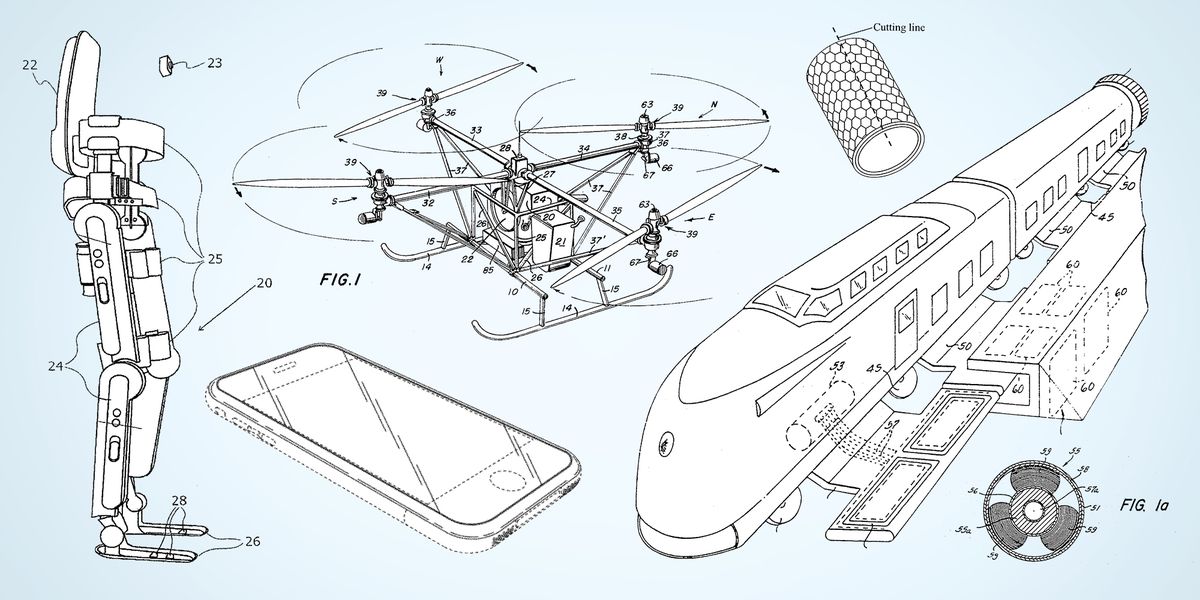
Patent pictures play a vital role in securing patents by illustrating an invention clearly and comprehensively. They help make applications more acceptable, robust, detailed, comprehensible, and captivating for various professionals involved in the patent process. These illustrations not only explain inventions easily but also protect new applicants from having their applications rejected due to lackluster detail or insufficient information provided within their submissions.
Increasing the Scope of Getting a Patent Issued
A properly prepared patent application, along with precise and comprehensive diagrams, can raise the possibility of being accepted by the USPTO. The inclusion of high-quality patent drawings helps convey complex ideas effectively while providing visual support that can aid both patent examiners and potential investors in understanding the unique aspects of your invention.
Making Applications More Acceptable and Robust
- Clarity: A single patent drawing can often provide better clarity than pages upon pages of written descriptions when it comes to explaining how an invention works or what makes it unique.
- Detailed Representation: Including comprehensive illustrations ensures that every aspect is covered within your submission – making it easier for you to secure protection under current laws governing actual patents.
- Captivating Visuals: Well-executed patent pictures can engage readers’ attention while simultaneously helping them understand complex concepts without needing extensive explanations throughout lengthy documents filled with technical jargon.

The importance of patent pictures in the application process cannot be overstated. By providing clear and detailed illustrations, inventors can increase their chances of securing a patent while making their applications more acceptable and robust for professionals involved in evaluating these submissions. Patent illustrations, patent drawings 101, single patent drawing, and patent applications are all important aspects of the patent process that should be taken seriously.
The significance of patent drawings cannot be over-emphasized, as they can bolster the probability of a successful patent filing. Professional draftsmen play an important role in ensuring that all pertinent details are included and overly specific descriptions are avoided when creating these illustrations.
Boost your chances of securing a patent with clear and comprehensive patent pictures. Learn how illustrations can make your application more robust and acceptable. #patentprocess #innovation Click to Tweet
Professional Draftsmen’s Role in Patent Illustrations
In the world of patent applications, professional draftsmen play an essential role in ensuring that pertinent details are included while avoiding overly specific descriptions that may limit inventors’ claims. These experts specialize in creating high-quality design searches and engineering drawings, which can significantly improve the chances of securing a patent.
Ensuring Inclusion of Pertinent Details
A well-crafted patent drawing should clearly illustrate all aspects of an invention to help examiners understand its functionality and uniqueness. Professional draftsmen have extensive experience working with various industries, enabling them to identify crucial elements within each invention accurately. By including these vital components within their illustrations, they ensure that patent applications provide comprehensive information for both patent examiners and potential licensees.
Avoiding Limitations through Overly Specific Descriptions
An effective patent illustration must strike a balance between being detailed enough to convey the invention’s unique features without limiting its scope unnecessarily. Overly specific descriptions could potentially hinder future modifications or improvements on the original concept, making it challenging for inventors to secure broader protection rights over time. Skilled draftsmen recognize this delicate balance and create illustrations that effectively communicate key aspects without restricting future innovation possibilities.
By enlisting the expertise of professional draftsmen, inventors can ensure that their patent applications are more robust, detailed, and acceptable by various professionals involved in the process – ultimately increasing their chances of securing valuable intellectual property rights within competitive markets worldwide.
Key Takeaway:
Professional draftsmen play a crucial role in creating high-quality patent illustrations that accurately depict an invention’s unique features while avoiding overly specific descriptions. By enlisting the expertise of professional draftsmen, inventors can increase their chances of securing valuable intellectual property rights within competitive markets worldwide. Cypris’ PatSketch service offers professional drafting and illustration assistance to support inventors in their quest for comprehensive patent protection.
Evolution of Patent Drawings Over Time
The USPTO has noticed a significant alteration in the form of patent drawings over time. Initially, these illustrations were considered works of art that showcased an inventor’s creativity alongside their invention. However, as time progressed, there has been a shift towards simpler representations focused solely on conveying ideas effectively rather than being aesthetically pleasing masterpieces themselves.

Shift from Artistic Masterpieces to Simpler Representations
In the past, patent illustrations were often intricate and detailed pieces of art that captured every aspect of an invention. This artistic approach was not only visually appealing but also helped inventors showcase their ingenuity and skill. Today, however, the focus is more on providing clear and concise visual aids for patent examiners, who need to understand complex inventions quickly without getting lost in unnecessary details or ornate designs.
Strange Patents Resulting from this Evolution
- The “Slinky” Toy: Originally patented in 1946 by Richard James with a simple drawing showcasing its unique design (U.S. Patent No. 2,415,012). The illustration clearly demonstrates how the toy functions without any excessive detail or embellishment.
- Pizza Box Support: Invented by Carmela Vitale in 1985 to prevent pizza boxes from collapsing onto toppings during delivery (U.S. Design Patent No. D312,036). The patent drawing is a simple yet effective representation of the invention’s purpose and functionality.
- Animal Ear Protectors: Designed by Axel Wirth in 1999 to protect animals’ ears from getting wet or dirty while eating (U.S. Patent No. 5,921,302). The illustration provides a straightforward depiction of how the device works without any unnecessary artistic elements.
The evolution of patent drawings has led to some peculiar patents being issued; however, their importance remains undeniable as they continue to provide essential support for innovators seeking protection within competitive markets worldwide. As a result, understanding patent drawings 101 is crucial for inventors and patent attorneys alike when preparing a patent application for submission to the patent office.
Key Takeaway:
Patent drawings have evolved from being artistic masterpieces to simpler representations focused on conveying ideas effectively. This shift has resulted in some peculiar patents, but their importance remains undeniable as they provide essential support for innovators seeking protection within competitive markets worldwide. A single patent drawing can make or break a patent application, so it’s crucial to work with a skilled patent illustrator to ensure that the drawings accurately depict the invention and meet the requirements of the patent examiner.
Peculiar Examples of Recent Patents
These examples showcase how the United States Patent and Trademark Office (USPTO) handles a wide range of inventions while emphasizing the importance of accurate patent drawings in securing intellectual property rights.
Simple Rectangle with an Arm Attached
A patent application for a simple construction consisting of just a rectangle with an arm affixed is one example that the USPTO handles. Despite its seemingly basic design, this invention serves as an effective solution for specific problems within its intended industry. The accompanying patent illustrations, though minimalistic, clearly convey the idea behind the invention without any unnecessary details or complexity.
Hand-drawn Artwork of Plush-toy Drink Holders
A more whimsical instance involves hand-drawn artwork depicting plush-toy drink holders designed for children. While these drawings may not be as polished as those created by professional draftsmen or engineers, they still manage to communicate essential information about the product’s design and functionality effectively enough to secure protection under current laws governing patent examination.
The variety in these examples highlights that even unconventional ideas can benefit from proper documentation through patent pictures when applying for patents at USPTO. As long as they adhere to guidelines outlined in their respective industries’ requirements – including being detailed, comprehensible, and captivating – actual patents can be secured regardless of how strange or out-of-the-box they might seem initially.
The peculiar examples of recent patents demonstrate the creative and innovative nature of today’s inventors, while also highlighting the need for comprehensive protection through effective illustrations. As technological advancements continue to increase in complexity, it is essential that patent pictures remain up-to-date with these changes to ensure adequate coverage.
Key Takeaway:
The United States Patent and Trademark Office (USPTO) handles a wide range of inventions, including peculiar ones. Accurate patent drawings are crucial in securing intellectual property rights, as showcased by examples such as a simple rectangle with an arm attached and hand-drawn artwork of plush-toy drink holders. Working with experienced professionals like PatSketch can increase the chances of successfully securing a patent for unique ideas.
The Future of Patent Pictures in a Rapidly Advancing World
As technology continues to advance rapidly and innovations become increasingly complex, the role of patent drawings will remain crucial in helping examiners understand new inventions’ intricacies while providing comprehensive protection for those who create them. By maintaining their importance as explanatory tools, these illustrations ensure that inventors can secure patents effectively within ever-changing markets worldwide.
Adapting to Technological Advancements and Increasing Complexity
- Digital Illustrations: With the rise of digital illustration software, patent pictures have become more detailed and precise than ever before. This allows inventors to showcase their ideas clearly and concisely without sacrificing quality or accuracy.
- Virtual Reality (VR) & Augmented Reality (AR): As VR and AR technologies continue to develop, they may play an essential role in presenting complex inventions through immersive experiences. This could help both patent examiners and attorneys better understand the full scope of an invention.
- A.I.-Generated Images: Artificial intelligence has already begun revolutionizing various industries, including patent illustrations. A.I.-generated images can potentially streamline the process by automatically creating accurate representations based on textual descriptions provided by inventors.
Ensuring Comprehensive Protection Through Effective Illustrations
To ensure comprehensive protection of intellectual property rights for inventors in a variety of fields, it is essential that USPTO examiners and patent attorneys have access to precise illustrations reflecting the unique needs of each invention. By providing top-notch, customized visuals for each innovation, inventors can secure their inventions from possible violation and make it simpler for others in the sector to comprehend their work.
Patent pictures remain crucial in securing comprehensive protection for innovators amidst technological advancements and increasing complexity. #IPrights #innovation Click to Tweet
Conclusion
In conclusion, patent pictures play a crucial role in enhancing understanding and strengthening patent applications. Creating effective drawings requires attention to detail and consideration of key elements. Unusual patents granted by the USPTO may seem strange but can have a significant impact on intellectual property protection, while intriguing patents showcase innovative ideas with potential real-world applications.
If you’re looking for assistance with your patent application process, discover the power of Cypris and unlock your team’s potential. Our platform provides rapid time-to-insights, centralizing data sources for improved R&D and innovation team performance.

Patentability searches are an essential aspect of the innovation process, providing valuable insights to R&D managers, product development engineers, and senior directors of research & innovation. In this blog post, we will delve into the importance of patentability searches in enhancing value-added applications and reducing investment in projects with lower success rates.
We will explore the unique nature of patent searching by examining differences between patent documents and technical literature while highlighting comprehensive resources available for professional searchers. Furthermore, we will discuss cost optimization through pre-filing investigations that can identify new manufacturing processes and provide insights into future competitor product launches.
Legal counsel perspectives on patent search risks will be addressed along with arguments against conducting pre-filing investigations as well as balancing potential risks versus benefits. Finally, we will guide you through choosing reliable patentability search services by discussing the benefits of professional services and pitfalls associated with low-cost online options. By understanding these aspects thoroughly, organizations can effectively monetize their intellectual property rights and create searchable databases for competitive intelligence.
Table of Contents
- Importance of Patentability Searches
- Enhancing Value-Added Applications
- Reducing Investment in Projects with Lower Success Rates
- Unique Nature of Patent Searching
- Differences between Patent Documents and Technical Literature
- Comprehensive Resources Available for Professional Searchers
- Cost Optimization through Pre-filing Investigations
- Identifying New Manufacturing Processes
- Gaining Insights into Future Competitor Product Launches
- Legal Counsel Perspectives on Patent Search Risks
- Providing Pertinent References Known by Applicants
- Few Infringement Cases Reaching Final Decisions on Merits Basis
- Most Enhanced-Damages Awards Being Double Damages or Less Only
- Impact of Thorough Patentability Searches on Innovation Outcomes
- Monetizing Corporate Intellectual Property Rights
- Creating Searchable Databases for Competitive Intelligence
- Conclusion
Importance of Patentability Searches
Patentability searches are crucial for businesses and innovators to understand the current state of patentability, improve patent protection, minimize related expenses, and develop a well-planned patent prosecution strategy. Conducting thorough searches helps identify novel and non-obvious innovations while reducing costs associated with filing unnecessary applications.

Enhancing Value-Added Applications
A comprehensive patent search can help R&D managers and engineers uncover new opportunities for innovation by identifying gaps in existing patents. This allows them to concentrate on devising distinctive solutions that offer considerable worth to their goods or services. By ensuring that an invention is truly novel before filing a patent application, companies can avoid wasting resources on ideas that may not be granted strong intellectual property rights.
Reducing Investment in Projects with Lower Success Rates
Filing a successful patent application requires considerable time and financial investment. A thorough patent search allows product development teams to assess the likelihood of obtaining a valuable IP asset before committing substantial resources to its development. Identifying potential roadblocks early in the process reduces wasted efforts on projects unlikely to yield meaningful results while allowing organizations to redirect funds toward more promising ventures.
The significance of patentability searches is immense, as they offer essential information concerning the potential success or failure of an endeavor. By understanding the unique nature of patent searching, teams can access comprehensive resources to maximize their chances for success.
Maximize your innovation potential and minimize expenses with patentability searches. Identify novel ideas and avoid wasted efforts through thorough research. #patentsearch #innovation Click to Tweet
Unique Nature of Patent Searching
The process of searching for patents is distinct from other types of technical literature due to the unique characteristics of patent documents, their interrelationships, and how databases are constructed. Understanding these differences can greatly improve the efficiency and effectiveness of your patentability searches, as highlighted by Dr. Nigel Clarke from Espacenet.
Differences between Patent Documents and Technical Literature
- Language: Patent documents often use specific terminology or legal language that may not be found in general technical literature.
- Structure: The organization and layout of patent documents differ significantly from research articles or textbooks, with a focus on claims defining the scope of protection sought by inventors.
- Citations: Patents cite other patents as prior art references rather than academic publications, which requires searchers to navigate complex citation networks.
Comprehensive Resources Available for Professional Searchers
Relying solely on quick domain-specific knowledge searches using AI tools or traditional methods may lead to incomplete results when it comes to identifying novel aspects within inventions. In contrast, professional searchers have access to more comprehensive resources tailored specifically for patentability assessments.
These include specialized databases like WIPO’s PATENTSCOPE and subscription-based platforms such as Cypris’ research platform designed explicitly for R&D teams seeking rapid time-to-insights while centralizing data sources into one accessible location.
The unique nature of patent searching requires a comprehensive understanding of the differences between patent documents and technical literature in order to maximize efficiency. Pre-filing investigations are an essential part of cost optimization, as they provide insight into potential new manufacturing processes and future competitor product launches.
Improve your patentability searches by understanding the unique nature of patent documents and utilizing comprehensive resources like Cypris’ research platform. #patentsearching #innovationteams #researchplatform Click to Tweet
Cost Optimization through Pre-filing Investigations
Conducting detailed patentability searches before entering into the expensive process of filing a patent application can significantly optimize costs for companies. By identifying potential knock-out prior art, businesses can avoid investing time and resources in cases where their innovation is not novel or non-obvious. This approach is particularly beneficial for IP-centric organizations with strong R&D teams, as it helps reduce research and development time and expense.
Identifying New Manufacturing Processes
A thorough pre-filing investigation allows inventors to discover new manufacturing processes that may have already been patented by others. By gaining insights into these existing patents, they can make informed decisions about whether to pursue their own applications or explore alternative solutions.
Gaining Insights into Future Competitor Product Launches
An effective patentability search also provides valuable information on upcoming competitor product launches. By analyzing the patent landscape, companies can identify trends and anticipate market changes, enabling them to strategically position themselves ahead of competitors.
By performing pre-filing investigations, R&D and innovation teams can optimize costs while also protecting their intellectual property. Moving forward, it is important to consider the legal counsel’s perspective on patent search risks in order to make informed decisions that weigh potential benefits against any associated risks.
Optimize your patent filing costs with pre-filing investigations. Conducting detailed patentability searches can save time and resources & reveal competitor insights. #patentabilitysearches #R&D #innovation Click to Tweet
Legal Counsel Perspectives on Patent Search Risks
While patentability searches are crucial for businesses and innovators, some legal counsel often disagrees over the risks involved during this stage. They argue against conducting pre-filing investigations due to three main reasons.
Providing Pertinent References Known by Applicants
The USPTO requires applicants to provide all known pertinent references when filing a patent application. Some legal experts believe that searching for patents may expose inventors to more potential prior art, which could weaken their claims of novelty and non-obviousness in the long run.
Few Infringement Cases Reaching Final Decisions on Merits Basis
A majority of infringement cases do not reach final decisions based on merits alone. As such, some attorneys argue that investing time and resources into exhaustive patent searches might not be worthwhile considering the low probability of facing litigation based solely on merit-based arguments.
Most Enhanced-Damages Awards Being Double Damages or Less Only
In cases where enhanced damages are awarded, they typically amount to double damages or less only. Therefore, the potential financial ramifications of patent infringement may be less severe than expected.
To strike a balance between potential risks versus benefits associated with conducting thorough patentability searches, it is essential for R&D managers and engineers to weigh these factors carefully before deciding whether or not to engage in pre-filing investigations.
Legal experts disagree over patent search risks. R&D managers must weigh potential benefits vs. risks before deciding on pre-filing investigations. #patentsearch #innovation Click to Tweet
Impact of Thorough Patentability Searches on Innovation Outcomes
Conducting thorough patentability searches plays a vital role in the success of innovation outcomes. By investing time and resources into comprehensive research, companies can effectively monetize their corporate intellectual property rights while gaining valuable insights from competitive intelligence.
Monetizing Corporate Intellectual Property Rights
A well-executed patent search allows businesses to identify novel inventions that hold the potential for significant revenue generation. With a clear understanding of the existing patents within their industry, organizations can strategically file applications that protect their innovations and maximize return on investment. The WIPO provides guidelines and resources to help inventors navigate this process efficiently.
Creating Searchable Databases for Competitive Intelligence
In addition to protecting an organization’s own innovations, thorough patentability searches enable them to stay ahead of competitors by gathering crucial data about other players in the market. This information includes details about patented technologies, manufacturing processes, and upcoming product launches – all essential aspects when it comes to maintaining a competitive edge.
- Data centralization: Platforms like Cypris, specifically designed for R&D teams, offer centralized access to multiple data sources required for effective innovation management.
- Better decision-making: Comprehensive databases allow companies to make informed decisions regarding resource allocation towards projects with higher chances of success.
- Faster time-to-market: Identifying key trends early enables businesses to respond quickly and bring innovative products or services into the market before competitors do so.
Taking advantage of these benefits, companies can significantly improve their innovation outcomes, ensuring long-term success in today’s competitive landscape.
Patent searches involve looking for prior art, which refers to any existing technical information that may be relevant to a patent application. Prior art references can include scientific literature, patent documents, and granted patents. Patent examiners at the patent office use prior art to determine whether an invention is novel and non-obvious, which are key requirements for patentability.
Working with patent attorneys can help companies conduct more effective patent searches and create stronger patent applications. Patent attorneys have access to specialized databases, that allow them to search for relevant patent references quickly and efficiently. They can also provide guidance on navigating the patent process and ensuring that patent applications meet all legal requirements for patent protection.
Maximize your innovation outcomes by conducting thorough patentability searches. Centralize data sources and protect your intellectual property with Cypris. #innovation #patentsearch #intellectualproperty Click to Tweet
Conclusion
In conclusion, patentability searches are an essential step in the innovation process for R&D managers and engineers. By conducting thorough pre-filing investigations, companies can enhance the value of their applications while reducing investment in projects with lower success rates. Thorough patentability searches have a significant impact on innovation outcomes by monetizing corporate intellectual property rights and creating searchable databases for competitive intelligence.
To optimize your company’s IP strategy, consider partnering with Cypris‘ professional patentability search services today. Our platform provides rapid time-to-insights, centralizing data sources for improved R&D and innovation team performance.