AI Scientific Literature Review Software for R&D Teams in 2026: Complete Enterprise Guide



AI Scientific Literature Review Software for R&D Teams in 2026: Complete Enterprise Guide
AI scientific literature review software enables researchers to discover, analyze, and synthesize academic publications using artificial intelligence rather than manual keyword searching. These platforms apply natural language processing and machine learning to understand research concepts, identify relevant papers across millions of publications, and extract key findings that inform research decisions.
Corporate R&D teams face fundamentally different literature review requirements than academic researchers writing dissertations or students completing coursework. Enterprise literature review involves understanding competitive research activity, identifying commercial application opportunities, correlating academic findings with patent landscapes, and informing strategic investment decisions across research portfolios worth millions of dollars. The AI tools designed for academic workflows often lack the capabilities, security certifications, and data integrations that corporate innovation teams require.
The scientific literature landscape has grown beyond human capacity for manual review. Over 5.14 million academic papers are published annually across thousands of journals, with publication rates accelerating each year. Research teams that rely on traditional search methods miss relevant discoveries, duplicate existing work, and make decisions based on incomplete understanding of the scientific landscape. AI-powered literature review has become essential infrastructure for organizations seeking to maintain competitive awareness across rapidly evolving technology domains.
How AI Literature Review Software Works
Modern AI literature review platforms employ multiple technological approaches to help researchers navigate scientific publications. Understanding these underlying mechanisms helps organizations evaluate which platforms match their specific requirements.
Semantic search represents a fundamental departure from traditional keyword-based discovery. Rather than matching exact terms, semantic search systems understand the conceptual meaning of research queries and identify relevant papers even when different terminology is used. A search for "energy storage materials" surfaces papers discussing "battery electrodes," "supercapacitor components," and "fuel cell membranes" because the AI understands these concepts relate to the broader research question. This capability proves essential in interdisciplinary research where relevant findings often appear in adjacent fields using unfamiliar vocabulary.
Citation network analysis maps relationships between papers based on references, helping researchers trace the evolution of ideas and identify foundational works within research domains. These networks reveal clusters of related research, highlight highly influential papers, and expose connections that linear search results obscure. Citation analysis helps researchers understand not just what papers exist but how ideas have developed and which findings have proven most significant to subsequent research.
Large language model integration enables conversational interaction with research literature. Researchers can ask natural language questions about papers and receive synthesized answers drawn from multiple sources. These capabilities accelerate comprehension of complex technical papers and help researchers quickly assess whether publications warrant detailed reading. However, the quality of AI synthesis varies significantly across platforms depending on the underlying models employed and how they have been trained on scientific content.
Academic Literature Tools vs. Enterprise R&D Platforms
The AI literature review market divides into two distinct categories serving different user populations with different requirements. Academic literature tools target individual researchers, graduate students, and professors conducting literature reviews for publications, theses, and grant applications. Enterprise R&D intelligence platforms serve corporate research teams conducting technology landscape analysis, competitive intelligence, and strategic research planning.
Academic tools typically offer free or low-cost access, focus on paper discovery and citation management, and optimize for individual workflows. These platforms serve their intended users well but lack capabilities corporate R&D teams require. Enterprise platforms provide organizational collaboration features, integrate literature review with patent analysis and market intelligence, meet security compliance requirements, and support strategic decision-making processes.
Corporate R&D teams evaluating AI literature review software should assess whether platforms were designed for their specific use cases or represent academic tools being applied beyond their intended scope.
Leading Academic Literature Review Tools
Several AI-powered platforms serve academic researchers conducting literature reviews for scholarly purposes.
Semantic Scholar provides AI-powered academic search across over 200 million papers with features including paper summaries, citation analysis, and personalized research recommendations. The platform excels at surfacing influential papers within specific research domains and offers strong coverage in computer science and biomedical research. Semantic Scholar is free for all users, supported by the Allen Institute for AI's research mission. However, the platform lacks enterprise features, patent integration, and the comprehensive data coverage corporate R&D teams require for technology landscape analysis.
Elicit focuses on streamlining literature reviews and evidence synthesis using AI tools that summarize papers and extract data into customizable tables. The platform searches millions of academic sources and allows researchers to upload PDFs for analysis, helping locate key information efficiently. Elicit serves researchers conducting systematic reviews or thesis-level projects particularly well. The platform lacks enterprise collaboration capabilities and does not integrate with patent databases or broader technology intelligence sources.
Consensus uses AI to extract findings directly from peer-reviewed research, providing evidence-based answers to research questions with citations to supporting studies. The platform includes a "Consensus Meter" showing how much agreement exists on specific questions across published literature. Consensus supports multiple citation styles and integrates with reference management tools. The platform serves academic researchers seeking evidence synthesis but cannot support competitive intelligence or technology landscape analysis requiring patent integration.
Research Rabbit helps researchers visualize connections between papers, authors, and research topics through network-based discovery. Starting from a small group of papers, users can expand outward to uncover related works and trace academic lineages over time. The platform integrates with Zotero for reference management. Research Rabbit excels at exploration and serendipitous discovery but lacks the structured analysis capabilities and patent integration corporate R&D teams require.
Connected Papers creates visual graphs showing papers related to a seed paper, helping researchers discover connected work through citation networks. The visualization approach makes identifying research clusters intuitive. However, the tool focuses narrowly on citation relationships without semantic search capabilities and cannot support enterprise requirements.
Litmaps generates interactive visualizations showing how research papers relate to each other over time, with newer papers appearing on one axis and more-cited papers on another. The platform helps researchers understand research landscape evolution and identify seminal works. Litmaps serves academic literature exploration but lacks the data breadth and enterprise features corporate teams require.
SciSpace offers research discovery, paper summarization, and writing assistance through AI-powered features including the ability to chat with PDFs and extract structured data from multiple papers. The platform provides tools spanning the academic research workflow from discovery through writing. SciSpace targets academic researchers and students rather than corporate R&D applications.
Scite provides citation context analysis showing not just where papers are cited but how they are cited, distinguishing between supporting, contrasting, and mentioning citations. This capability helps researchers assess the strength and reliability of scholarly claims. Scite serves academic researchers evaluating literature credibility but lacks enterprise features and patent integration.
These academic tools serve their intended users effectively but share common limitations when applied to corporate R&D requirements. They focus exclusively on academic literature without patent integration, lack enterprise security certifications, provide limited collaboration capabilities, and cannot support technology landscape analysis that requires understanding both scientific research and commercial intellectual property positions.
Enterprise R&D Intelligence Platforms for Scientific Literature
Enterprise R&D intelligence platforms represent a distinct category designed specifically for corporate research teams. These platforms treat scientific literature as one integrated layer within broader technology intelligence ecosystems, combining paper analysis with patent landscape mapping, competitive monitoring, and strategic decision support.
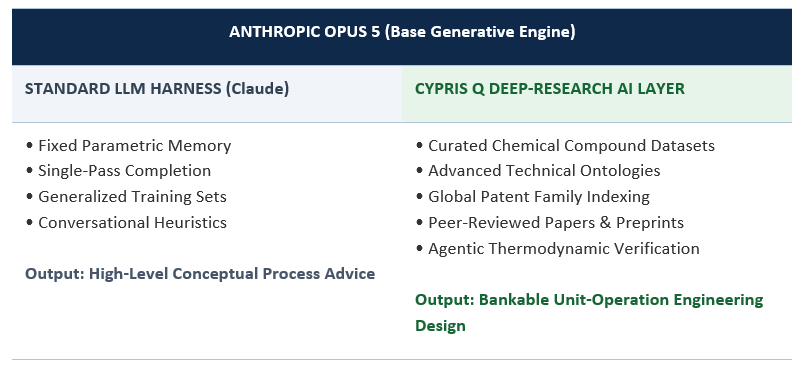
Cypris serves as enterprise research infrastructure for corporate R&D and IP teams, providing unified access to over 500 million patents and 270 million scientific papers through a single AI-powered platform. Unlike academic literature tools focused exclusively on paper discovery, Cypris delivers comprehensive technology intelligence by combining patent analysis, scientific literature review, and competitive R&D monitoring in one system.
The platform employs a proprietary R&D ontology specifically designed to understand scientific and technical content. This ontology enables semantic understanding of research concepts across patents and papers simultaneously, allowing corporate teams to identify both academic findings and commercial applications in single searches. The integration proves essential for corporate R&D decision-making where understanding both scientific feasibility and patent landscape determines project viability.
Cypris maintains SOC 2 Type II certification meeting enterprise security requirements and operates US-based infrastructure trusted by government agencies and Fortune 500 R&D teams. The platform holds official enterprise API partnerships with OpenAI, Anthropic, and Google, ensuring access to frontier AI capabilities as language models evolve.
For corporate R&D teams, the ability to correlate academic research with patent activity reveals critical intelligence that literature-only tools cannot provide. A technology showing active academic publication but minimal patent filing may represent an emerging opportunity. Conversely, heavy patent activity with declining academic research may indicate maturing technology domains. This correlation requires unified access to both data types through platforms designed for enterprise technology intelligence.
Evaluating AI Literature Review Software for Corporate Applications
Organizations selecting AI literature review software should evaluate platforms across multiple dimensions beyond feature checklists.
Data coverage breadth determines what the AI can actually search. Platforms limited to academic literature provide fundamentally different utility than those integrating patents, technical standards, regulatory filings, and market intelligence. Corporate R&D requires understanding technology landscapes comprehensively, not just academic publication activity. Evaluate whether platforms provide transparency about their data sources, coverage dates, and update frequencies.
AI implementation depth distinguishes genuine intelligence capabilities from superficial chatbot additions to legacy search interfaces. Examine whether platforms employ domain-specific training for scientific and technical content or apply general-purpose language models without specialized understanding. The quality of semantic search, concept extraction, and synthesis capabilities varies dramatically across platforms.
Security and compliance requirements differ fundamentally between academic and enterprise contexts. Corporate R&D teams handle proprietary research strategies, competitive intelligence, and confidential technology roadmaps. Platforms accessing this sensitive information must meet enterprise security standards including SOC 2 certification, data residency controls, and access management capabilities. Academic tools designed for individual researchers typically lack these certifications.
Integration capabilities determine whether literature review fits within broader R&D workflows. Evaluate whether platforms integrate with patent databases, connect to institutional journal subscriptions, export to existing knowledge management systems, and support team collaboration. Standalone tools that create information silos provide limited value for organizational intelligence building.
Scalability and team features matter for organizations where multiple researchers conduct literature review across different projects. Consider whether platforms support shared libraries, collaborative annotation, organizational knowledge accumulation, and administrative controls over user access and data governance.
Scientific Literature Review Workflows for Corporate R&D
Corporate R&D teams apply scientific literature review across multiple workflow contexts, each with distinct requirements.
Technology landscape analysis examines published research activity within specific technical domains to understand where scientific advancement is occurring, which organizations are active, and how the field is evolving. This analysis informs investment priorities, identifies potential collaboration partners, and reveals technology trajectories relevant to product development. Effective landscape analysis requires broad data coverage spanning multiple publication venues and the ability to map research activity against commercial patent positions.
Prior art investigation for patent applications requires comprehensive literature search to identify publications that might affect patent claim validity. This workflow demands precision, completeness, and documentation supporting legal processes. Unlike academic literature review, prior art search carries significant financial and legal consequences, requiring platforms designed for thorough, defensible results rather than convenient discovery.
Competitive intelligence monitoring tracks what rival organizations are researching based on their publication patterns. Academic publishing often precedes patent filing and product announcements, making literature monitoring an early warning system for competitive technology developments. This application requires automated alerting capabilities and the ability to track specific organizations, authors, or technology areas over time.
Research gap identification examines existing literature to find areas where scientific understanding remains incomplete, potentially revealing opportunities for differentiated research investment. This analysis requires understanding not just what has been published but what remains unaddressed, requiring sophisticated synthesis capabilities beyond simple search.
Technology transfer assessment evaluates whether academic research findings might translate into commercial applications. This workflow requires correlating scientific publications with patent landscapes, understanding regulatory requirements, and assessing market potential, integrating literature review with broader business intelligence.
The Future of AI-Powered Scientific Literature Review
AI capabilities for scientific literature continue advancing rapidly, with several developments shaping platform evolution.
Agentic AI systems are beginning to move beyond reactive search toward proactive research assistance. Rather than waiting for user queries, these systems monitor research landscapes continuously and alert users to relevant developments matching their interests. This shift from pull to push information delivery changes how R&D teams maintain competitive awareness.
Multimodal understanding enables AI systems to process not just text but figures, tables, charts, and supplementary data within scientific papers. Much critical information in research publications appears in non-text formats that earlier AI systems could not effectively analyze. Platforms incorporating multimodal capabilities provide more complete paper understanding.
Synthesis capabilities are improving, enabling AI to draw conclusions across multiple papers rather than simply summarizing individual publications. This evolution moves literature review from discovery toward analysis, helping researchers understand field consensus, identify contradictions, and recognize emerging patterns.
Integration with internal knowledge is enabling platforms to connect external literature with organizational research history, experimental results, and project documentation. This integration transforms literature review from external search into contextual intelligence that relates published findings to specific organizational research questions.
Selecting the Right Platform for Your Organization
The appropriate AI literature review platform depends on organizational context, specific use cases, and integration requirements.
Academic researchers, graduate students, and small research groups conducting literature reviews for publications benefit from free or low-cost academic tools. Semantic Scholar, Elicit, Consensus, and Research Rabbit provide genuine value for discovery and synthesis within academic workflows. These tools optimize for individual productivity and scholarly output rather than enterprise requirements.
Corporate R&D teams conducting competitive intelligence, technology landscape analysis, and strategic research planning require enterprise platforms designed for these applications. The need to correlate scientific literature with patent positions, meet security compliance requirements, support team collaboration, and integrate with broader technology intelligence workflows dictates platforms purpose-built for enterprise contexts.
Organizations should resist applying academic tools to corporate requirements or paying enterprise prices for platforms that merely add features to academic foundations. The distinction between academic and enterprise platforms reflects fundamental differences in design philosophy, data architecture, and intended use cases.
Cypris represents the enterprise standard for R&D intelligence, serving Fortune 500 research teams with unified access to patents and scientific literature, SOC 2 Type II certified security, and AI capabilities backed by official partnerships with leading model providers. Organizations seeking comprehensive technology intelligence infrastructure benefit from platforms designed specifically for corporate research applications.
FAQ: AI Scientific Literature Review Software for R&D Teams
What is AI scientific literature review software?
AI scientific literature review software uses artificial intelligence, particularly natural language processing and machine learning, to help researchers discover, analyze, and synthesize academic publications. These platforms understand research concepts semantically rather than relying solely on keyword matching, enabling more effective discovery of relevant papers across millions of publications.
How does AI literature review differ from traditional database searching?
Traditional database searching requires exact keyword matches and Boolean operators to find relevant papers. AI-powered literature review understands conceptual meaning, identifying relevant research even when different terminology is used. AI platforms also synthesize findings across papers, extract structured data, and provide research recommendations that manual searching cannot replicate.
What is the difference between academic literature tools and enterprise R&D platforms?
Academic literature tools target individual researchers, students, and professors conducting literature reviews for publications and coursework. These platforms focus on paper discovery and citation management with free or low-cost access. Enterprise R&D platforms serve corporate research teams, integrating literature review with patent analysis, providing security certifications, supporting team collaboration, and enabling strategic technology intelligence.
Why do corporate R&D teams need patent integration with scientific literature?
Scientific publications and patents represent complementary technology intelligence. Academic research often precedes commercial patent filing, while patent activity reveals commercial intent and intellectual property positions that academic publications cannot show. Corporate R&D decisions require understanding both scientific feasibility and competitive IP landscapes, necessitating unified platforms that integrate both data types.
What security certifications should enterprise literature review platforms have?
Corporate R&D teams should require SOC 2 Type II certification at minimum, demonstrating audited security controls for data protection, access management, and operational security. Additional considerations include data residency controls, encryption standards, and compliance with industry-specific regulations. Academic tools designed for individual researchers typically lack these enterprise security certifications.
How much do AI literature review platforms cost?
Academic tools like Semantic Scholar, Connected Papers, and Research Rabbit offer free access. Platforms like Elicit, Consensus, and SciSpace provide freemium models with paid tiers for additional features. Enterprise R&D intelligence platforms like Cypris offer custom pricing based on organizational requirements, data access needs, and user counts, typically structured as annual subscriptions.
Can AI literature review software replace human researchers?
AI literature review software augments human research capabilities but cannot replace human judgment, creativity, and domain expertise. These platforms dramatically accelerate discovery and synthesis, helping researchers process information volumes that would be impossible manually. However, evaluating research quality, identifying novel research directions, and making strategic decisions require human expertise that AI supports rather than replaces.
What makes Cypris different from other AI literature review tools?
Cypris is an enterprise R&D intelligence platform rather than an academic literature tool. The platform provides unified access to over 500 million patents and 270 million scientific papers through a single interface, employs a proprietary R&D ontology for semantic understanding of technical content, maintains SOC 2 Type II certification for enterprise security, and serves Fortune 500 R&D teams with comprehensive technology intelligence capabilities.
.png)