
A powerful new foundation for custom queries—built on Lucene and designed for R&D precision.
Over the past few years, Cypris has helped innovation teams make faster, more informed decisions by centralizing critical insights across datasets like patents, academic papers, and company activity. But until now, our search experience relied on a legacy query system with limited capabilities, offering little support for advanced search features or dataset-level customization.
Today, we’re excited to introduce an upgraded Advanced Search on Cypris, a complete overhaul of our query engine and search experience, powered by the open-standard Lucene query syntax. This update introduces a more robust and flexible search foundation, unlocking new ways to query data, build complex filters, and extract precisely what you need across patents, research, and more.
Why we rebuilt our search system from the ground up
Cypris’ original query syntax, a proprietary format used internally for years, limited users’ ability to craft advanced queries or tailor searches to specific datasets. It lacked modern capabilities like proximity searches, field-level customization, or true Boolean logic. This made it difficult to build a reliable and intuitive experience for both casual users and advanced researchers.
By moving to Lucene, we’re adopting a powerful, industry-standard query language that makes it easier for developers to build advanced features—and gives users access to a far more capable and flexible search toolset.
What’s new in Advanced Search
1. Custom Queries by Dataset
You can now layer queries to search across datasets or tailor filters to each one. For example, you can run a broad query on drone delivery, and then add separate layers to focus on patents by a specific assignee and papers from a specific country or funding agency.
Navigating the All Datasets tab introduces a new level of complexity—and power—by allowing users to apply dataset-specific logic within a single, unified query workflow. While querying multiple datasets simultaneously might seem straightforward, the underlying differences in schema, metadata, and available fields between our proprietary datasets make this a deeply technical challenge. Patents, for example, include claims, application numbers, and multiple date fields (filed, granted, updated), while academic papers use DOIs, have different structural conventions, and emphasize different metadata. In the past, we sidestepped this complexity by translating general queries like ((drone_allText)) into dataset-specific logic under the hood. Now, instead of obscuring that logic, we allow users to opt in to it. The builder provides progressive layers of customization: start with intuitive keyword searches across all fields, then move into the advanced builder for field-specific targeting, fuzzy logic, and term boosting, and finally, tailor query logic by dataset—such as specifying different countries of interest for papers vs. patents. This approach preserves flexibility while giving users full control, and with tools like our real-time Live Analysis and “Your Query” panel, we make it easy to understand how every decision affects the results.
2. More Fields to Query
We’re exposing deeper fields across datasets—giving you explicit control over the dimensions of your search. For the first time, users can now search academic papers by DOI, a critical identifier previously unsupported on the platform. You can also query by:
- Author or inventor names
- Organizations or assignees
- Countries, journals, funding agencies, and more
3. Full Boolean Support
Advanced Search now leverages powerful Boolean logic—AND, OR, NOT, and grouping—enabling more precise control over search logic and improving performance and accuracy.
4. Lucene Syntax Features
Use built-in Lucene features to create expressive, complex searches:
- Proximity searches to find terms near each other
- Fuzzy searches for flexible matching
- Exact phrase matching
- Boosting to prioritize results (e.g., prioritize results mentioning AI 3x more than others)
- Prefix/Postfix queries to match phrases that start or end a certain way
- Range queries for fields like date, funding amounts, or numerical values
A more powerful user experience
Our new search interface is built to help you tap into these capabilities without needing to know the syntax from the start. You’ll find:
- A Query Builder to guide you through complex searches
- A Help Video to onboard users to Lucene-style searches
- Inline examples and tips for writing queries using grouping, boosting, and more
Built for precision, speed, and customization
With Lucene as our foundation, search results are now not only more flexible but also faster and more accurate. Semantic search continues to offer natural-language ease of use, while Boolean search gives power users the performance and structure they need to uncover insights with greater specificity.
Whether you’re an innovation analyst drilling into AI patents or a business development lead scanning academic papers from Chilean researchers—Advanced Search is built to help you get to the signal, faster.
Available now to all users
Advanced Search is live and available across the Cypris platform today. If you’re already using Cypris, you’ll find the new search interface in your dashboard, complete with updated syntax documentation and walkthroughs.
We’re excited to see what you’ll build, discover, and analyze with this new capability. This is just the beginning—we’ll continue expanding the fields, syntax features, and customization options as we push the boundaries of what intelligent search can do for R&D.
Introducing Advanced Search on Cypris



A powerful new foundation for custom queries—built on Lucene and designed for R&D precision.
Over the past few years, Cypris has helped innovation teams make faster, more informed decisions by centralizing critical insights across datasets like patents, academic papers, and company activity. But until now, our search experience relied on a legacy query system with limited capabilities, offering little support for advanced search features or dataset-level customization.
Today, we’re excited to introduce an upgraded Advanced Search on Cypris, a complete overhaul of our query engine and search experience, powered by the open-standard Lucene query syntax. This update introduces a more robust and flexible search foundation, unlocking new ways to query data, build complex filters, and extract precisely what you need across patents, research, and more.
Why we rebuilt our search system from the ground up
Cypris’ original query syntax, a proprietary format used internally for years, limited users’ ability to craft advanced queries or tailor searches to specific datasets. It lacked modern capabilities like proximity searches, field-level customization, or true Boolean logic. This made it difficult to build a reliable and intuitive experience for both casual users and advanced researchers.
By moving to Lucene, we’re adopting a powerful, industry-standard query language that makes it easier for developers to build advanced features—and gives users access to a far more capable and flexible search toolset.
What’s new in Advanced Search
1. Custom Queries by Dataset
You can now layer queries to search across datasets or tailor filters to each one. For example, you can run a broad query on drone delivery, and then add separate layers to focus on patents by a specific assignee and papers from a specific country or funding agency.
Navigating the All Datasets tab introduces a new level of complexity—and power—by allowing users to apply dataset-specific logic within a single, unified query workflow. While querying multiple datasets simultaneously might seem straightforward, the underlying differences in schema, metadata, and available fields between our proprietary datasets make this a deeply technical challenge. Patents, for example, include claims, application numbers, and multiple date fields (filed, granted, updated), while academic papers use DOIs, have different structural conventions, and emphasize different metadata. In the past, we sidestepped this complexity by translating general queries like ((drone_allText)) into dataset-specific logic under the hood. Now, instead of obscuring that logic, we allow users to opt in to it. The builder provides progressive layers of customization: start with intuitive keyword searches across all fields, then move into the advanced builder for field-specific targeting, fuzzy logic, and term boosting, and finally, tailor query logic by dataset—such as specifying different countries of interest for papers vs. patents. This approach preserves flexibility while giving users full control, and with tools like our real-time Live Analysis and “Your Query” panel, we make it easy to understand how every decision affects the results.
2. More Fields to Query
We’re exposing deeper fields across datasets—giving you explicit control over the dimensions of your search. For the first time, users can now search academic papers by DOI, a critical identifier previously unsupported on the platform. You can also query by:
- Author or inventor names
- Organizations or assignees
- Countries, journals, funding agencies, and more
3. Full Boolean Support
Advanced Search now leverages powerful Boolean logic—AND, OR, NOT, and grouping—enabling more precise control over search logic and improving performance and accuracy.
4. Lucene Syntax Features
Use built-in Lucene features to create expressive, complex searches:
- Proximity searches to find terms near each other
- Fuzzy searches for flexible matching
- Exact phrase matching
- Boosting to prioritize results (e.g., prioritize results mentioning AI 3x more than others)
- Prefix/Postfix queries to match phrases that start or end a certain way
- Range queries for fields like date, funding amounts, or numerical values
A more powerful user experience
Our new search interface is built to help you tap into these capabilities without needing to know the syntax from the start. You’ll find:
- A Query Builder to guide you through complex searches
- A Help Video to onboard users to Lucene-style searches
- Inline examples and tips for writing queries using grouping, boosting, and more
Built for precision, speed, and customization
With Lucene as our foundation, search results are now not only more flexible but also faster and more accurate. Semantic search continues to offer natural-language ease of use, while Boolean search gives power users the performance and structure they need to uncover insights with greater specificity.
Whether you’re an innovation analyst drilling into AI patents or a business development lead scanning academic papers from Chilean researchers—Advanced Search is built to help you get to the signal, faster.
Available now to all users
Advanced Search is live and available across the Cypris platform today. If you’re already using Cypris, you’ll find the new search interface in your dashboard, complete with updated syntax documentation and walkthroughs.
We’re excited to see what you’ll build, discover, and analyze with this new capability. This is just the beginning—we’ll continue expanding the fields, syntax features, and customization options as we push the boundaries of what intelligent search can do for R&D.
Keep Reading
Silicon photonics has moved to the center of AI infrastructure, and its patent landscape is being staked out as data centers hit a wall that electrical interconnects cannot cross. As AI clusters scale to enormous numbers of accelerators, the energy and bandwidth cost of moving data over copper between chips, boards, and racks has become a dominant constraint, and peer-reviewed work frames high-bandwidth-density, energy-efficient optical interconnects as the leading answer.¹,² The technology arrives in several forms, each a distinct region of patenting: co-packaged optics, which place the optical engine in the same package as the switch or accelerator; optical input-output chiplets that bring light directly to the compute die; and silicon-photonic network switches. The intellectual property divides across the photonic devices themselves, such as modulators and detectors; the photonic-electronic integration and advanced packaging that combine light and electronics; the laser and light-source technologies that feed them; and the system-level architecture that ties them into an AI fabric. Because a working optical interconnect depends on several of these layers, freedom-to-operate and white space analysis must span them together.
The landscape is moving from roadmap to product very quickly, and it is quantitatively demanding. Peer-reviewed co-packaged transceivers now report energy efficiencies on the order of 3 picojoules per bit at hundreds of gigabits per second per channel, and advanced through-silicon and through-glass interposer packaging has demonstrated bandwidths beyond 67 and 110 gigahertz, illustrating both the device-level and packaging-level progress.³,⁶,⁷ Standardization is advancing alongside the hardware: the chiplet-interconnect standard released a new version in August 2025 adding higher data rates and extended reach, shaping how photonic engines connect to compute.⁸,⁹ Major networking and accelerator vendors have introduced co-packaged optical switches and optical I/O, but the competitive structure is layered rather than winner-take-all. Across the Cypris corpus of more than 500 million patents and scientific papers, the silicon-photonics, co-packaged-optics, and optical-interconnect space holds on the order of 102,700 de-duplicated families and has grown steadily and with acceleration, and the most active assignees are systems and networking vendors and foundries and research institutes, led by firms such as Intel, Huawei, IBM, NTT, TSMC, Cisco, and Marvell together with foundries and research organizations such as GlobalFoundries and imec, rather than pure-play startups, which do not appear in the top tier; the United States leads on geography, followed by China, Japan, and Taiwan. Because applications publish about eighteen months after filing, the most recent modulator, integration, and packaging filings are under-represented (2025 counts are partial), so the current frontier is more active than granted-patent counts suggest.
The strategic question is which layer to own, and the white space sits where physics and manufacturing are hardest. High-speed, low-power modulators are a foundational device layer where efficiency gains translate directly into system power savings, and microring-based modulator designs are a central approach.⁴,⁵ Photonic-electronic integration and packaging, bringing light reliably to the compute die at yield and scale, is the central manufacturing challenge and where much of the defensible, hard-to-design-around IP is concentrating.⁶,⁷ In the Cypris corpus, the modulator and light-source layers are the most heavily patented, followed by integration and packaging and then optical I/O, so laser and light-source integration is a distinct and contested layer, and system-level architecture, how optical links reshape the AI fabric, is where differentiation is won. Reading the landscape by layer and by owner, and tracking both the patents and the underlying photonics research, is what separates a crowded region from an open one.
Where the silicon photonics white space is
High-speed, low-power modulators. Modulators that raise data rates while cutting energy per bit are a foundational device layer where gains flow straight to system power.⁴,⁵
Photonic-electronic integration and packaging. Bringing light to the compute die at yield and scale is the central manufacturing challenge and where much hard-to-design-around IP concentrates.⁶,⁷
Laser and light-source integration. Efficient, reliable on- and off-package light sources are a distinct and contested layer, and among the most heavily patented in the corpus.
Optical I/O chiplets and interfaces. Chiplet-based optical I/O and the standardized interfaces that connect it to compute are an active, fast-moving layer.⁸,⁹
System-level optical architecture. Designs that reshape the AI fabric around optical links, including optical switching, are where system differentiation is won.
How AI-powered landscape and white space analysis helps
Resolving a landscape that spans photonic devices, integration and packaging, light sources, and system architecture, in a field moving from roadmap to product month to month, requires more than keyword search. AI-powered analysis addresses this with semantic search that clusters activity by layer across varied terminology, attribution that normalizes vendor, foundry, and startup filers to canonical entities, and continuous monitoring that keeps pace with a fast-moving field. Because silicon-photonics advances appear in scientific and conference literature before they are patented, reading both patents and literature gives the earliest signal of where the frontier and the white space are moving.
Where Cypris fits
Cypris runs patent landscape and white space analysis for fast-moving deep-tech fields such as silicon photonics for AI across a corpus of more than 500 million patents and scientific papers, organized through a proprietary R&D ontology. The ontology clusters activity by layer, photonic device, integration and packaging, light source, optical I/O, and system architecture, and normalizes vendor, foundry, and startup filers to canonical entities, so a team can resolve which layers are crowded and which remain open as white space. Semantic search across patents and scientific literature connects filings to the underlying photonics research, which is where silicon-photonics advances appear first, often well ahead of the patent record. Cypris Q, the platform's agentic layer, lets teams run landscape and white space analysis conversationally and chain the clustering, attribution, and gap analysis, and Agentic Monitoring tracks a defined layer over time and flags new patents and papers as they publish. Cypris provides enterprise API partnerships with OpenAI, Anthropic, and Google, and is built with enterprise-grade security. Cypris serves hundreds of enterprise customers across pharmaceuticals, chemicals, advanced materials, energy, and other regulated industries.
FAQ
Why is silicon photonics central to AI infrastructure? Silicon photonics is central to AI infrastructure because AI clusters have grown so large that moving data over copper between chips, boards, and racks consumes too much power and limits bandwidth. Optical interconnects move data as light, cutting interconnect power and raising bandwidth. That is why co-packaged optics and optical I/O have moved from roadmap to product.
What layers does the silicon photonics landscape cover? The landscape covers photonic devices such as modulators and detectors, photonic-electronic integration and advanced packaging, laser and light-source technologies, optical I/O chiplets and interfaces, and system-level optical architecture. Each is a distinct region of patenting with different owners. Freedom-to-operate and white space analysis must span them together.
Who holds the IP in silicon photonics for AI? In the Cypris corpus, the most active assignees are systems and networking vendors, foundries, and research institutes, rather than pure-play startups, which do not appear in the top tier. Ownership is distributed across the stack, from modulators and integration to light sources and architecture. That layered structure makes landscape analysis valuable.
Where is the white space in silicon photonics? The white space includes high-speed, low-power modulators, photonic-electronic integration and packaging, laser and light-source integration, optical I/O chiplets and interfaces, and system-level optical architecture. Integration and packaging is the central manufacturing challenge and where much hard-to-design-around IP concentrates. The modulator and light-source layers are the most heavily patented in the corpus.
Why is integration and packaging so important? Integration and packaging is important because the hardest part of optical interconnects is bringing light reliably to the compute die at high yield and large scale. Solving this at manufacturable cost is what turns a device advantage into a system advantage. Much of the defensible, hard-to-design-around IP is concentrating there.
Why does silicon photonics analysis need scientific literature? Silicon photonics analysis needs scientific literature because device, integration, and light-source advances appear in research and conference proceedings before they are patented, so the literature gives the earliest signal in a fast-moving field. Analyzing patents alone gives a lagging view. Cypris analyzes both across more than 500 million patents and scientific papers.
What software helps analyze the silicon photonics patent landscape? Software for the silicon photonics landscape should cluster activity by device, integration, light-source, and architecture layer, resolve vendor, foundry, and startup filers to canonical owners, search patents and scientific literature semantically, and monitor a fast-moving field continuously. Cypris does this across more than 500 million patents and scientific papers using a proprietary R&D ontology, semantic search, Cypris Q, and Agentic Monitoring.
Which teams use silicon photonics patent landscape analysis? Silicon photonics patent landscape analysis is used by R&D, IP, and strategy teams at semiconductor, networking, photonics, and data-center companies, as well as investors assessing the sector. Because ownership is distributed across the stack and the field is moving fast, structured analysis is essential. Cypris serves hundreds of enterprise customers across research-intensive and regulated industries.
Endnotes
- Novick, A., James, A., Wu, L. Y., Hattink, M., et al. (2023). High-bandwidth-density silicon photonic resonators for energy-efficient optical interconnects. Applied Physics Reviews, 10(3). https://doi.org/10.1063/5.0160441
- Priyadarshi, S. (2025). Unlocking the potential of co-packaged optics in AI and HPC: opportunities and challenges. IEEE Communications Magazine. https://doi.org/10.1109/mcom.001.2500504
- Li, X., Li, Y., Zhao, Y., Zhong, K., et al. (2025). Monolithically integrated 4×128 Gb/s, 3.07 pJ/bit silicon photonic transceiver for co-packaged optics. Optics Express, 33. https://doi.org/10.1364/oe.577010
- Wu, Y., He, J., Cao, Y., & Liu, L. (2022). The high-efficiency co-design and measurement verification of high-bandwidth silicon photonic microring modulator. IET Optoelectronics, 16(6). https://doi.org/10.1049/ote2.12070
- Titriku, A., Palermo, S., Chen, C.-H., Fiorentino, M., et al. (2015). Silicon photonic microring resonator-based transceivers for compact WDM optical interconnects. IEEE Compound Semiconductor Integrated Circuit Symposium (CSICS). https://doi.org/10.1109/csics.2015.7314523
- Molnar, A., Ou, Y., Khilwani, D., et al. (2025). Scaling co-packaged optical interconnects using hybrid 2.5D/3D integration. IEEE International Symposium on Circuits and Systems (ISCAS). https://doi.org/10.1109/iscas56072.2025.11043946
- Liu, S., Zhang, Y., Ge, C., Du, Y., et al. (2026). High-density co-packaged optics based on TSV and TGV interposers. Advanced Photonics Nexus, 5(3). https://doi.org/10.1117/1.apn.5.3.036019
- UCIe Consortium. Universal Chiplet Interconnect Express (UCIe) specifications. https://www.uciexpress.org/specifications
- Das Sharma, D., et al. (2024). High-performance, power-efficient three-dimensional system-in-package designs with universal chiplet interconnect express. Nature Electronics, 7. https://doi.org/10.1038/s41928-024-01126-y
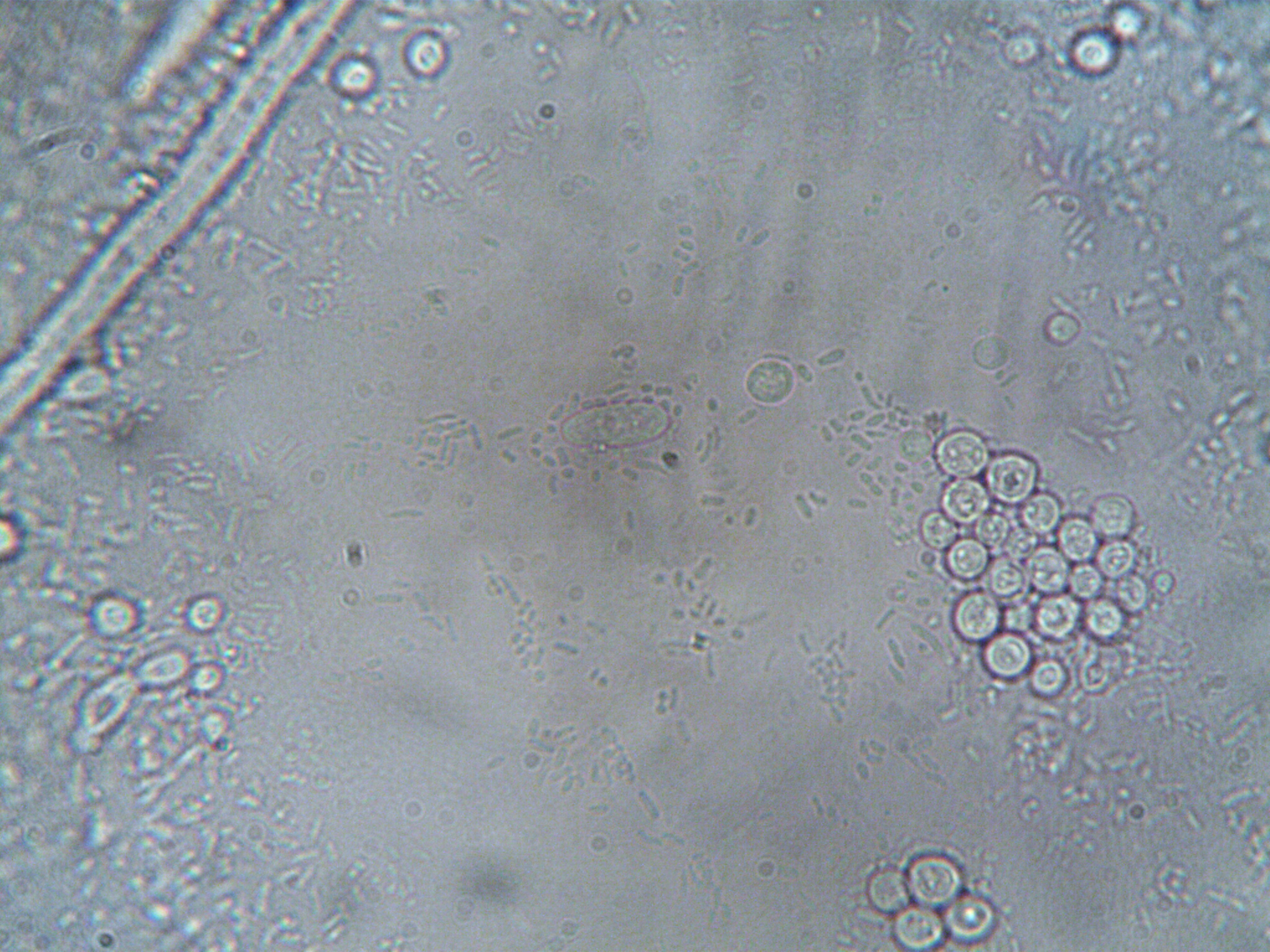
CAR-T cell therapy has one of the most academically rooted and legally tested patent landscapes in biotechnology. A chimeric antigen receptor T-cell is engineered by giving a patient's T-cells a synthetic receptor that directs them against a cancer target, and the intellectual property spans several distinct layers: the CAR construct itself, with its antigen-binding domain, hinge, transmembrane region, costimulatory domain, and signaling domain; the viral vectors used to introduce it; the manufacturing and cell-processing methods; and the methods of use for specific indications. Because these layers are patented separately and often by different owners, freedom-to-operate for a CAR-T product is a multi-layer, multi-owner analysis rather than a single clearance.
The foundational patents emerged from academic laboratories and were then in-licensed or acquired by commercial developers, which shaped the ownership structure. Peer-reviewed analyses of CAR-T patenting activity trace the field's key early filings to academic groups, with foundational work associated with Carl June at the University of Pennsylvania and Michel Sadelain at Memorial Sloan Kettering Cancer Center, before commercialization by large pharmaceutical companies.¹,² This academic origin is visible in the ownership record: across the Cypris corpus of more than 500 million patents and scientific papers, the most active assignees in the CAR-T set are led by the University of Pennsylvania, followed by the US Department of Health and Human Services and the National Institutes of Health, the University of California San Diego, the University of Texas System, and Memorial Sloan Kettering, interleaved with commercial developers such as Novartis, Juno Therapeutics, and Kite Pharma. Peer-reviewed patent-landscape analyses describe a field of fierce competition and intensive academic-industry collaboration,¹ with one review mapping more than 1,600 patent families across the field's technological routes,³ and product-patent-linkage studies have detailed how the portfolios behind approved CAR-T products are assembled from the construct, vector, manufacturing, and method-of-use layers.⁴ Analyses of academic CAR-T patenting also document the pitfalls that arise when university filings are drafted for disclosure rather than durable claim scope.⁵ A recurring finding is that many foundational filings date to the late 1990s and early 2000s, so their earliest members are now reaching the end of their patent terms, which shifts value toward improvement patents on next-generation constructs, allogeneic and off-the-shelf approaches, and manufacturing.¹,³ Across the Cypris corpus, CAR-T patent families grew from about 2,882 in 2018 to about 9,118 in 2024, with 2025 counts partial because of the roughly eighteen-month publication lag.
Litigation defined the landscape's risk profile. In the dispute between Juno Therapeutics, which exclusively licensed a foundational receptor patent from Memorial Sloan Kettering, and Kite Pharma over its approved therapy, a jury initially found for Juno, but on August 26, 2021 the US Court of Appeals for the Federal Circuit reversed and held the foundational patent's asserted claims invalid for lack of adequate written description, reasoning that disclosing a small number of specific binding domains did not show possession of the far broader claimed genus.⁶ A peer-reviewed analysis in Biotechnology Law Report situated the decision as a strike against broadly drafted, pioneering biotechnology claims.⁷ The decision reshaped the field, because it raised questions about the validity of broadly drafted foundational biotech patents generally, and it signaled that in cell therapy the durable value may lie in specific, well-supported improvement claims rather than pioneering-but-broad foundational ones. Because applications publish about eighteen months after filing, the most recent activity in next-generation and allogeneic approaches is under-represented, so the current frontier is more active than granted-patent counts suggest.
What creates FTO risk in CAR-T products
CAR construct claims. These cover the receptor's components, including antigen-binding domain, costimulatory domain, and signaling domain, the core of many disputes.
Viral vector claims. These cover the vectors used to introduce the receptor, a distinct and separately owned layer.
Manufacturing and cell-processing claims. These cover how the therapy is produced, which is increasingly where competitive differentiation and IP concentrate.
Method-of-use claims. These cover use for specific indications and patient populations, so a construct can be free for one use and blocked for another.
Next-generation and allogeneic claims. These cover off-the-shelf, gene-edited, and next-generation approaches, a fast-growing layer where new FTO risk and white space are emerging.
How AI-powered landscape and FTO analysis helps
A multi-layer, academically rooted, litigated landscape is beyond manual clearance. AI-powered analysis addresses this with semantic search that retrieves relevant construct, vector, manufacturing, and use claims regardless of terminology, attribution that resolves academic and commercial owners to canonical entities and captures the license and acquisition chains, and continuous monitoring that tracks next-generation filings and litigation developments. Because cell-therapy advances appear in scientific literature before they are patented, reading both patents and literature gives earlier warning.
Where Cypris fits
Cypris runs patent landscape and freedom-to-operate analysis for multi-layer, academically rooted fields such as CAR-T across a corpus of more than 500 million patents and scientific papers, organized through a proprietary R&D ontology. The ontology clusters the landscape by layer, construct, vector, manufacturing, and use, and normalizes academic and commercial owners to canonical entities, so a team can trace how rights and licenses are distributed rather than read a flat list. Semantic search across patents and scientific literature surfaces relevant claims regardless of terminology and connects filings to the underlying research, which is where next-generation and allogeneic approaches emerge first. Cypris Q, the platform's agentic layer, lets teams run landscape and FTO analysis conversationally and chain the attribution, clustering, and claim-level analysis, and Agentic Monitoring tracks the landscape over time and flags new filings and developments as they publish. Cypris provides enterprise API partnerships with OpenAI, Anthropic, and Google, and is built with enterprise-grade security. Cypris serves hundreds of enterprise customers across pharmaceuticals, chemicals, advanced materials, energy, and other regulated industries.
FAQ
Why is the CAR-T patent landscape distinctive? The CAR-T patent landscape is distinctive because it is deeply rooted in academic research and has been heavily litigated. Foundational patents came from university labs and were licensed or acquired by commercial developers, and the IP spans the receptor construct, viral vectors, manufacturing, and methods of use. Freedom-to-operate is therefore a multi-layer, multi-owner analysis.
What claim types create FTO risk in CAR-T? Five claim types create FTO risk in CAR-T: CAR construct claims, viral vector claims, manufacturing and cell-processing claims, method-of-use claims, and next-generation or allogeneic claims. Each is independently patentable and can be held by a different owner. Construct and manufacturing layers are especially contested.
What was the Juno v. Kite decision? In Juno v. Kite, Juno Therapeutics asserted a foundational CAR receptor patent it had licensed from Memorial Sloan Kettering against Kite Pharma's approved therapy. A jury initially found for Juno, but the US Court of Appeals for the Federal Circuit in 2021 reversed and struck down the foundational patent for lack of adequate written description. The decision reshaped the field and raised questions about broadly drafted foundational biotech patents.
Why are CAR-T foundational patents reaching the end of their terms important? Many CAR-T foundational filings date to the late 1990s and early 2000s, so their earliest members are now reaching the end of their patent terms, which shifts value away from the original broad claims toward improvement patents. These cover next-generation constructs, allogeneic and off-the-shelf approaches, and manufacturing. FTO analysis must therefore focus increasingly on the improvement layer.
Where did CAR-T foundational patents come from? CAR-T foundational patents came largely from academic laboratories, with key work associated with Carl June at the University of Pennsylvania and Michel Sadelain at Memorial Sloan Kettering Cancer Center. These filings were in-licensed or acquired by commercial developers who brought products to market. This academic origin shaped the landscape's ownership and licensing structure, which is visible in the assignee record.
Why does CAR-T analysis need scientific literature? CAR-T analysis needs scientific literature because construct, manufacturing, and next-generation advances appear in research before they are patented, so the literature gives the earliest signal of where the field is heading. Analyzing patents alone gives a lagging view. Cypris analyzes both across more than 500 million patents and scientific papers.
Which teams need CAR-T patent landscape and FTO analysis? CAR-T patent landscape and FTO analysis is needed by R&D, IP, and business-development teams at cell-therapy and pharmaceutical companies, academic technology-transfer offices, and investors assessing cell-therapy assets. The multi-layer, litigated landscape makes structured analysis essential. Cypris serves hundreds of enterprise customers across pharmaceuticals and other research-intensive industries.
How current does a CAR-T landscape need to be? A CAR-T landscape needs to be continuously current, because foundational patents are reaching the end of their terms, next-generation and allogeneic filings publish constantly, and publication lag hides the most recent activity. A one-time landscape ages quickly. Cypris uses Agentic Monitoring to track the landscape and flag new filings and developments as they publish.
Endnotes
- Lyu, L., Chen, X., Hu, Y., & Feng, Y. (2020). The global chimeric antigen receptor T (CAR-T) cell therapy patent landscape. Nature Biotechnology, 38(12). https://doi.org/10.1038/s41587-020-00749-8
- Clarke, N. S., & Jürgens, B. (2019). Evolution of CAR T-cell immunotherapy in terms of patenting activity. Nature Biotechnology, 37(4). https://doi.org/10.1038/s41587-019-0083-5
- Malmegrim, K. C. R., Picanço-Castro, V., Pereira, C. G., Covas, D. T., Porto, G. S., & Swiech, K. (2019). Emerging CAR T cell therapies: clinical landscape and patent technological routes. Human Vaccines & Immunotherapeutics, 16(6). https://doi.org/10.1080/21645515.2019.1689744
- Kano, S., & Kawai, Y. (2025). Expanding the concept of drug lifecycle management to chimeric antigen receptor T-cell products through product-patent linkage analysis. World Patent Information, 81. https://doi.org/10.1016/j.wpi.2025.102357
- Constantinescu, C., Gulei, D., Bergþorsson, J. Þ., Coliţă, A., Tănase, A., Tomuleasa, C., Greiff, V., & Constantinescu, R. (2023). Pitfalls in patenting academic CAR-T cells therapy. Expert Opinion on Therapeutic Patents, 33(6). https://doi.org/10.1080/13543776.2023.2220883
- U.S. Court of Appeals for the Federal Circuit (Aug. 26, 2021). Juno Therapeutics, Inc. v. Kite Pharma, Inc., 10 F.4th 1330. https://www.cafc.uscourts.gov/opinions-orders/20-1758.opinion.8-26-2021_1825257.pdf
- Holman, C. M. (2021). In Juno v. Kite the Federal Circuit strikes down patent directed towards pioneering innovation in CAR T-cell therapy. Biotechnology Law Report, 40(6). https://doi.org/10.1089/blr.2021.29252.cmh
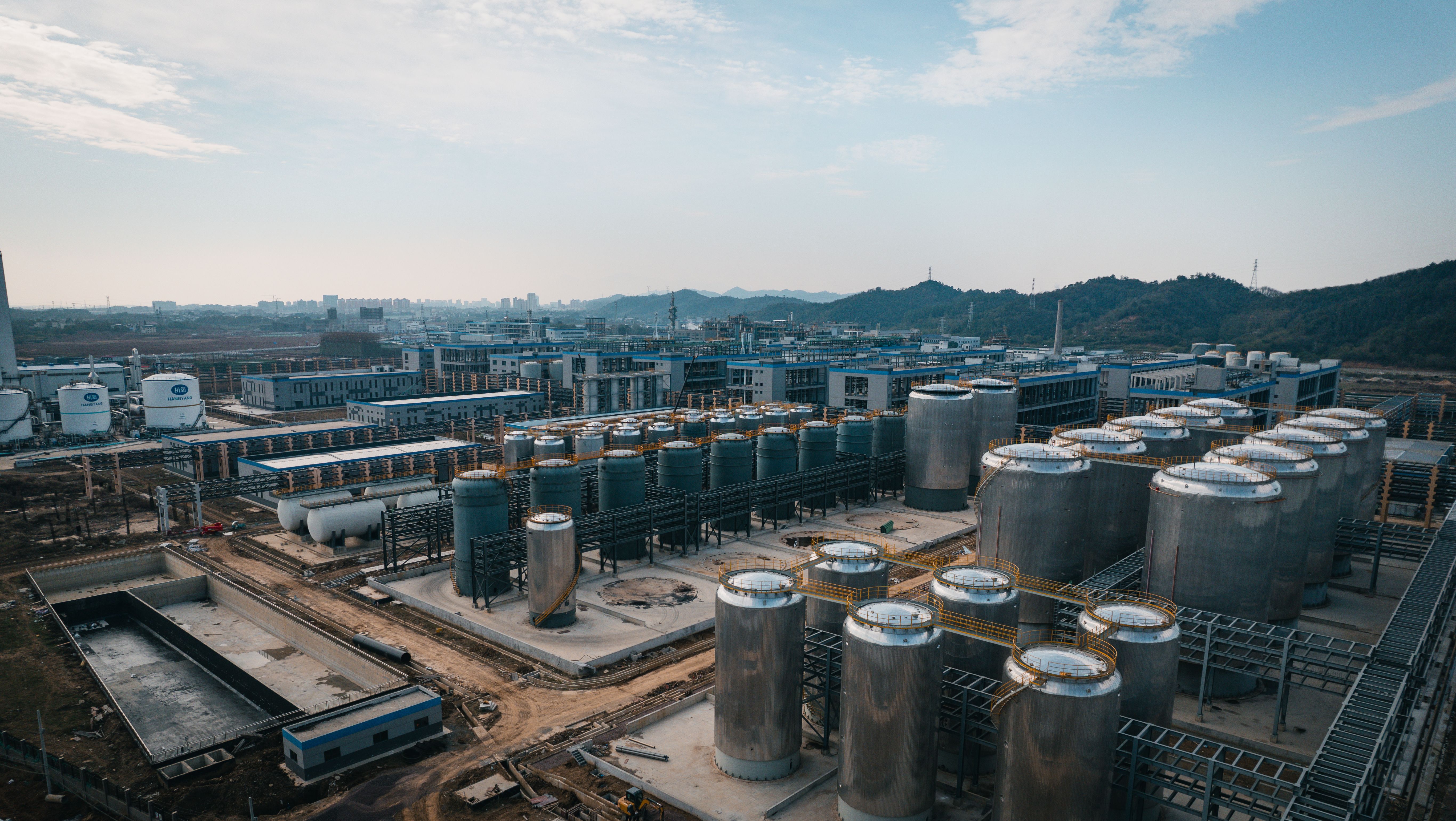
Electrolysis has become the center of gravity in hydrogen innovation, and the electrolyzer patent landscape is where the clean-hydrogen transition is being contested. A joint study of global patent data by the European Patent Office and the International Energy Agency found that technologies motivated by climate concerns accounted for nearly 80 percent of all hydrogen-production patents by 2020, with growth driven chiefly by a sharp increase in innovation in water electrolysis, and that climate-driven hydrogen technologies generated roughly twice as many international patent families as established, fossil-based methods.¹ The commercial backdrop is a projected expansion of electrolyzer manufacturing on the order of a 65-fold increase in market size over the decade, as countries scale low-emissions hydrogen for hard-to-abate sectors.²,³ For R&D and IP teams, the strategic questions are which electrolyzer technology route to back and where defensible IP positions remain, and both are patent-landscape questions.
The landscape divides across four electrolyzer technologies at different maturity levels, each a distinct region of patenting, and each characterized in the US Department of Energy's comparative assessment of solid-oxide, alkaline, and proton-exchange-membrane electrolyzers.⁴ Alkaline electrolysis is the most mature and lowest-cost route, using a liquid alkaline electrolyte and avoiding scarce precious metals, so its patenting concentrates on efficiency, dynamic operation to follow variable renewable power, and stack scale-up. Proton-exchange-membrane (PEM) electrolysis offers compact, responsive operation well suited to variable renewables but relies on scarce platinum-group catalysts and specialized membranes, so a large share of its patenting targets catalyst loading reduction, membrane durability, and cost.⁵ Solid-oxide electrolysis (SOEC) operates at high temperature with high electrical efficiency and can co-electrolyze to produce syngas, but durability and thermal cycling are the central challenges, so patenting concentrates there. Anion-exchange-membrane (AEM) electrolysis is the newest route, aiming to combine PEM-like performance without precious-metal dependence, and it is the least mature and least crowded, which makes it a notable area of white space; its membranes and non-precious-metal catalysts are an active peer-reviewed research frontier.⁶
Geography and institutional origin further shape the landscape. The EPO and IEA analysis found Europe gaining an edge as a location for electrolyzer innovation and manufacturing investment, while Japan led patenting in hydrogen end-use for the automotive sector, and it noted that momentum in other end-use applications, such as aviation, shipping, and power generation, had not yet matched the attention those sectors receive.¹ The European Commission's Joint Research Centre has separately tracked the status of water electrolysis and hydrogen technology in the European Union, corroborating the region's manufacturing push.⁷ It also found that emerging low-emissions hydrogen carriers, including liquid organic hydrogen carriers and ammonia cracking, grew (by about 12.5 percent and 7.8 percent in international patent families respectively) with roughly half of that activity originating in universities and public research, an early-stage signal of where future commercial IP may form.¹ Because applications publish about eighteen months after filing, the most recent activity, particularly in the newer AEM and SOEC routes, is under-represented, so the current frontier is more active than granted-patent counts suggest.
The four electrolyzer routes and where white space sits
Alkaline. The most mature and lowest-cost route, avoiding precious metals; patenting concentrates on efficiency, dynamic operation, and scale-up, so it is comparatively crowded on core design.
PEM. Compact and responsive but reliant on platinum-group catalysts and specialized membranes; white space centers on catalyst reduction, membrane durability, and cost.
SOEC. High-temperature and high-efficiency with co-electrolysis potential, but durability and thermal cycling are the open problems where patenting and white space concentrate.
AEM. The newest route, aiming for PEM-like performance without precious metals; the least mature and least crowded, and therefore a notable area of white space.²
Carriers and end-use. Liquid organic hydrogen carriers and ammonia cracking are early-stage and university-driven, and several end-use sectors beyond automotive remain comparatively under-patented.¹
How AI-powered landscape and white space analysis helps
Resolving four technology routes at different maturities, across geographies and institutions, requires more than keyword search. AI-powered analysis addresses this with semantic search that clusters activity by route and by the problem being solved across varied terminology, attribution that normalizes filers to canonical entities and distinguishes university from commercial activity, and continuous monitoring that tracks the newer routes where recent activity is under-represented. Because electrolyzer advances appear in scientific literature before they are patented, reading both patents and literature gives the earliest signal of where the frontier and the white space are moving.
Where Cypris fits
Cypris runs patent landscape and white space analysis for multi-route energy fields such as hydrogen electrolysis across a corpus of more than 500 million patents and scientific papers, organized through a proprietary R&D ontology. The ontology clusters activity by electrolyzer route, alkaline, PEM, SOEC, and AEM, and by the problem being solved, and normalizes filers to canonical entities, so a team can resolve which routes and problems are crowded and which, such as AEM and SOEC durability, remain open as white space. Semantic search across patents and scientific literature connects filings to the underlying materials and engineering research, which is where electrolyzer advances appear first, and distinguishes university from commercial activity. Cypris Q, the platform's agentic layer, lets teams run landscape and white space analysis conversationally and chain the clustering, attribution, and gap analysis, and Agentic Monitoring tracks a defined route over time and flags new patents and papers as they publish, which is essential where the newest routes are under-represented by publication lag. Cypris provides enterprise API partnerships with OpenAI, Anthropic, and Google, and is built with enterprise-grade security. Cypris serves hundreds of enterprise customers across pharmaceuticals, chemicals, advanced materials, energy, and other regulated industries.
FAQ
Why is electrolysis the focus of hydrogen patenting?
Electrolysis is the focus of hydrogen patenting because it can produce hydrogen with zero direct emissions when powered by renewable or nuclear electricity. A joint EPO and IEA study found that climate-motivated technologies accounted for nearly 80 percent of hydrogen-production patents by 2020, with growth driven chiefly by a surge in electrolysis. Climate-driven hydrogen technologies generated roughly twice the international patent families of established methods.
What are the main electrolyzer technologies?
The main electrolyzer technologies are alkaline, proton-exchange-membrane (PEM), solid-oxide (SOEC), and anion-exchange-membrane (AEM). They differ in maturity, cost, materials, and operating conditions, and each occupies a distinct region of the patent landscape. Alkaline is the most mature and AEM the newest.
Where is the white space in the electrolyzer patent landscape?
The white space in the electrolyzer patent landscape is concentrated in anion-exchange-membrane electrolysis, which is the newest and least crowded route, in solid-oxide durability and thermal cycling, in reducing precious-metal catalyst use and improving membrane durability in PEM, and in early-stage hydrogen carriers such as liquid organic carriers and ammonia cracking. Core alkaline design is comparatively crowded. The higher-value opportunities are in the newer routes and unsolved durability problems.
How do the electrolyzer routes trade off?
The electrolyzer routes trade off maturity, cost, and materials. Alkaline is mature and low-cost but less dynamic; PEM is responsive but relies on scarce platinum-group metals; SOEC is highly efficient but faces durability challenges; and AEM aims to combine PEM-like performance without precious metals but is the least mature. Each route's patenting concentrates on its specific weakness.
How fast is the electrolyzer market expected to grow?
The electrolyzer market is expected to grow rapidly, with the IEA projecting an expansion on the order of a 65-fold increase in market size over the decade as countries scale low-emissions hydrogen. This growth is the commercial driver behind the surge in electrolysis patenting. It also raises the value of securing defensible IP positions early.
Which regions lead electrolyzer innovation?
The EPO and IEA analysis found Europe gaining an edge as a location for electrolyzer innovation and manufacturing investment, while Japan led hydrogen end-use patenting in the automotive sector. Momentum in several other end-use sectors had not yet matched the attention they receive. The geographic distribution differs by technology route and end-use.
Why does electrolyzer analysis need scientific literature?
Electrolyzer analysis needs scientific literature because materials and engineering advances, particularly in catalysts, membranes, and the newer routes, appear in research before they are patented, so the literature gives the earliest signal. Analyzing patents alone gives a lagging view, and much early activity is university-driven. Cypris analyzes both across more than 500 million patents and scientific papers.
Which teams use electrolyzer patent landscape analysis?
Electrolyzer patent landscape analysis is used by R&D, innovation, IP, and strategy teams at electrolyzer and equipment makers, energy and industrial-gas companies, materials developers, and their partners, as well as investors. It informs which route to back, where to file, and where competitors are concentrated. Cypris serves hundreds of enterprise customers across energy, advanced materials, chemicals, and other regulated industries.
How do you keep an electrolyzer landscape current?
Keeping an electrolyzer landscape current requires continuous monitoring, because the field moves quickly, the newer routes are advancing, and publication lag under-represents the most recent activity. A one-time landscape ages quickly. Cypris uses Agentic Monitoring to track a defined route and flag new patents and papers as they publish.
Endnotes
- European Patent Office & International Energy Agency (2023). Hydrogen patents for a clean energy future: A global trend analysis of innovation along hydrogen value chains. https://www.iea.org/reports/hydrogen-patents-for-a-clean-energy-future
- International Energy Agency, reported via World Economic Forum (2023). Hydrogen patent filings: Europe and Japan lead on innovation (projected ~65-fold electrolyzer market growth this decade). https://www.weforum.org/stories/2023/03/hydrogen-innovation-patents-technology/
- International Energy Agency. Global Hydrogen Review (annual series). https://www.iea.org/reports/global-hydrogen-review-2024
- Kelly, J. C., Elgowainy, A. & Iyer, R. (2022). Electrolyzers for Hydrogen Production: Solid Oxide, Alkaline, and Proton Exchange Membrane. US Department of Energy (OSTI). https://www.osti.gov/
- US Department of Energy (2024). Hydrogen Shot: Water Electrolysis Technology Assessment. https://www.energy.gov/
- Zhang, M. et al. (2024). Advanced development of anion-exchange membrane electrolyzers for hydrogen production: from anion-exchange membranes to membrane electrode assemblies. Chemical Communications. https://doi.org/10.1039/D3CC05904A
- European Commission Joint Research Centre (2023). Water electrolysis and hydrogen in the European Union: Status Report on Technology Development, Trends, Value Chains and Markets. https://publications.jrc.ec.europa.eu/