
A powerful new foundation for custom queries—built on Lucene and designed for R&D precision.
Over the past few years, Cypris has helped innovation teams make faster, more informed decisions by centralizing critical insights across datasets like patents, academic papers, and company activity. But until now, our search experience relied on a legacy query system with limited capabilities, offering little support for advanced search features or dataset-level customization.
Today, we’re excited to introduce an upgraded Advanced Search on Cypris, a complete overhaul of our query engine and search experience, powered by the open-standard Lucene query syntax. This update introduces a more robust and flexible search foundation, unlocking new ways to query data, build complex filters, and extract precisely what you need across patents, research, and more.
Why we rebuilt our search system from the ground up
Cypris’ original query syntax, a proprietary format used internally for years, limited users’ ability to craft advanced queries or tailor searches to specific datasets. It lacked modern capabilities like proximity searches, field-level customization, or true Boolean logic. This made it difficult to build a reliable and intuitive experience for both casual users and advanced researchers.
By moving to Lucene, we’re adopting a powerful, industry-standard query language that makes it easier for developers to build advanced features—and gives users access to a far more capable and flexible search toolset.
What’s new in Advanced Search
1. Custom Queries by Dataset
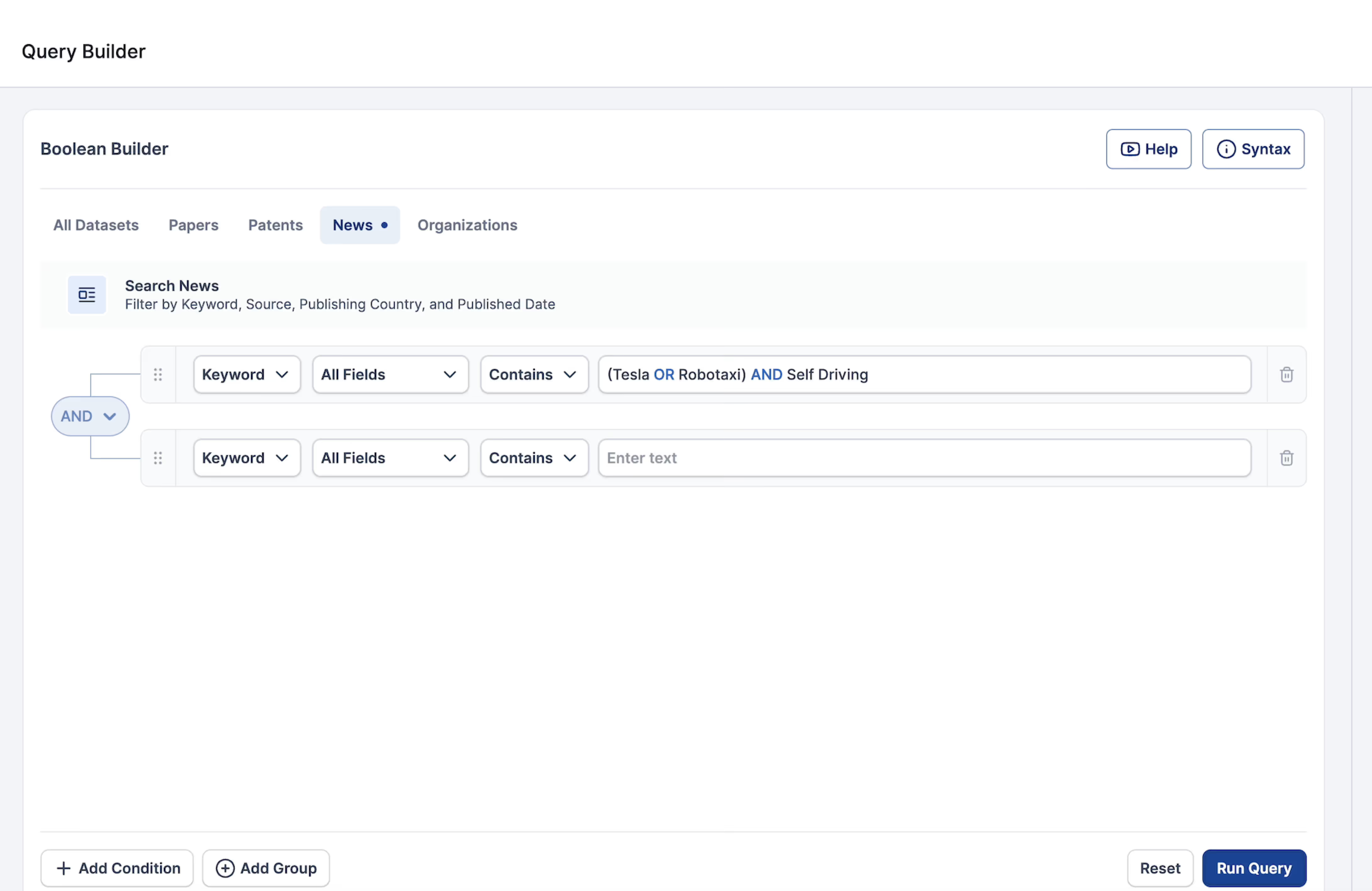
You can now layer queries to search across datasets or tailor filters to each one. For example, you can run a broad query on drone delivery, and then add separate layers to focus on patents by a specific assignee and papers from a specific country or funding agency.
Navigating the All Datasets tab introduces a new level of complexity—and power—by allowing users to apply dataset-specific logic within a single, unified query workflow. While querying multiple datasets simultaneously might seem straightforward, the underlying differences in schema, metadata, and available fields between our proprietary datasets make this a deeply technical challenge. Patents, for example, include claims, application numbers, and multiple date fields (filed, granted, updated), while academic papers use DOIs, have different structural conventions, and emphasize different metadata. In the past, we sidestepped this complexity by translating general queries like ((drone_allText)) into dataset-specific logic under the hood. Now, instead of obscuring that logic, we allow users to opt in to it. The builder provides progressive layers of customization: start with intuitive keyword searches across all fields, then move into the advanced builder for field-specific targeting, fuzzy logic, and term boosting, and finally, tailor query logic by dataset—such as specifying different countries of interest for papers vs. patents. This approach preserves flexibility while giving users full control, and with tools like our real-time Live Analysis and “Your Query” panel, we make it easy to understand how every decision affects the results.
2. More Fields to Query
We’re exposing deeper fields across datasets—giving you explicit control over the dimensions of your search. For the first time, users can now search academic papers by DOI, a critical identifier previously unsupported on the platform. You can also query by:
- Author or inventor names
- Organizations or assignees
- Countries, journals, funding agencies, and more
3. Full Boolean Support
Advanced Search now leverages powerful Boolean logic—AND, OR, NOT, and grouping—enabling more precise control over search logic and improving performance and accuracy.
4. Lucene Syntax Features
Use built-in Lucene features to create expressive, complex searches:
- Proximity searches to find terms near each other
- Fuzzy searches for flexible matching
- Exact phrase matching
- Boosting to prioritize results (e.g., prioritize results mentioning AI 3x more than others)
- Prefix/Postfix queries to match phrases that start or end a certain way
- Range queries for fields like date, funding amounts, or numerical values
A more powerful user experience
Our new search interface is built to help you tap into these capabilities without needing to know the syntax from the start. You’ll find:
- A Query Builder to guide you through complex searches
- A Help Video to onboard users to Lucene-style searches
- Inline examples and tips for writing queries using grouping, boosting, and more
Built for precision, speed, and customization
With Lucene as our foundation, search results are now not only more flexible but also faster and more accurate. Semantic search continues to offer natural-language ease of use, while Boolean search gives power users the performance and structure they need to uncover insights with greater specificity.
Whether you’re an innovation analyst drilling into AI patents or a business development lead scanning academic papers from Chilean researchers—Advanced Search is built to help you get to the signal, faster.
Available now to all users
Advanced Search is live and available across the Cypris platform today. If you’re already using Cypris, you’ll find the new search interface in your dashboard, complete with updated syntax documentation and walkthroughs.
We’re excited to see what you’ll build, discover, and analyze with this new capability. This is just the beginning—we’ll continue expanding the fields, syntax features, and customization options as we push the boundaries of what intelligent search can do for R&D.

Introducing Advanced Search on Cypris


A powerful new foundation for custom queries—built on Lucene and designed for R&D precision.
Over the past few years, Cypris has helped innovation teams make faster, more informed decisions by centralizing critical insights across datasets like patents, academic papers, and company activity. But until now, our search experience relied on a legacy query system with limited capabilities, offering little support for advanced search features or dataset-level customization.
Today, we’re excited to introduce an upgraded Advanced Search on Cypris, a complete overhaul of our query engine and search experience, powered by the open-standard Lucene query syntax. This update introduces a more robust and flexible search foundation, unlocking new ways to query data, build complex filters, and extract precisely what you need across patents, research, and more.
Why we rebuilt our search system from the ground up
Cypris’ original query syntax, a proprietary format used internally for years, limited users’ ability to craft advanced queries or tailor searches to specific datasets. It lacked modern capabilities like proximity searches, field-level customization, or true Boolean logic. This made it difficult to build a reliable and intuitive experience for both casual users and advanced researchers.
By moving to Lucene, we’re adopting a powerful, industry-standard query language that makes it easier for developers to build advanced features—and gives users access to a far more capable and flexible search toolset.
What’s new in Advanced Search
1. Custom Queries by Dataset
You can now layer queries to search across datasets or tailor filters to each one. For example, you can run a broad query on drone delivery, and then add separate layers to focus on patents by a specific assignee and papers from a specific country or funding agency.
Navigating the All Datasets tab introduces a new level of complexity—and power—by allowing users to apply dataset-specific logic within a single, unified query workflow. While querying multiple datasets simultaneously might seem straightforward, the underlying differences in schema, metadata, and available fields between our proprietary datasets make this a deeply technical challenge. Patents, for example, include claims, application numbers, and multiple date fields (filed, granted, updated), while academic papers use DOIs, have different structural conventions, and emphasize different metadata. In the past, we sidestepped this complexity by translating general queries like ((drone_allText)) into dataset-specific logic under the hood. Now, instead of obscuring that logic, we allow users to opt in to it. The builder provides progressive layers of customization: start with intuitive keyword searches across all fields, then move into the advanced builder for field-specific targeting, fuzzy logic, and term boosting, and finally, tailor query logic by dataset—such as specifying different countries of interest for papers vs. patents. This approach preserves flexibility while giving users full control, and with tools like our real-time Live Analysis and “Your Query” panel, we make it easy to understand how every decision affects the results.
2. More Fields to Query
We’re exposing deeper fields across datasets—giving you explicit control over the dimensions of your search. For the first time, users can now search academic papers by DOI, a critical identifier previously unsupported on the platform. You can also query by:
- Author or inventor names
- Organizations or assignees
- Countries, journals, funding agencies, and more
3. Full Boolean Support
Advanced Search now leverages powerful Boolean logic—AND, OR, NOT, and grouping—enabling more precise control over search logic and improving performance and accuracy.
4. Lucene Syntax Features
Use built-in Lucene features to create expressive, complex searches:
- Proximity searches to find terms near each other
- Fuzzy searches for flexible matching
- Exact phrase matching
- Boosting to prioritize results (e.g., prioritize results mentioning AI 3x more than others)
- Prefix/Postfix queries to match phrases that start or end a certain way
- Range queries for fields like date, funding amounts, or numerical values
A more powerful user experience
Our new search interface is built to help you tap into these capabilities without needing to know the syntax from the start. You’ll find:
- A Query Builder to guide you through complex searches
- A Help Video to onboard users to Lucene-style searches
- Inline examples and tips for writing queries using grouping, boosting, and more
Built for precision, speed, and customization
With Lucene as our foundation, search results are now not only more flexible but also faster and more accurate. Semantic search continues to offer natural-language ease of use, while Boolean search gives power users the performance and structure they need to uncover insights with greater specificity.
Whether you’re an innovation analyst drilling into AI patents or a business development lead scanning academic papers from Chilean researchers—Advanced Search is built to help you get to the signal, faster.
Available now to all users
Advanced Search is live and available across the Cypris platform today. If you’re already using Cypris, you’ll find the new search interface in your dashboard, complete with updated syntax documentation and walkthroughs.
We’re excited to see what you’ll build, discover, and analyze with this new capability. This is just the beginning—we’ll continue expanding the fields, syntax features, and customization options as we push the boundaries of what intelligent search can do for R&D.
Keep Reading
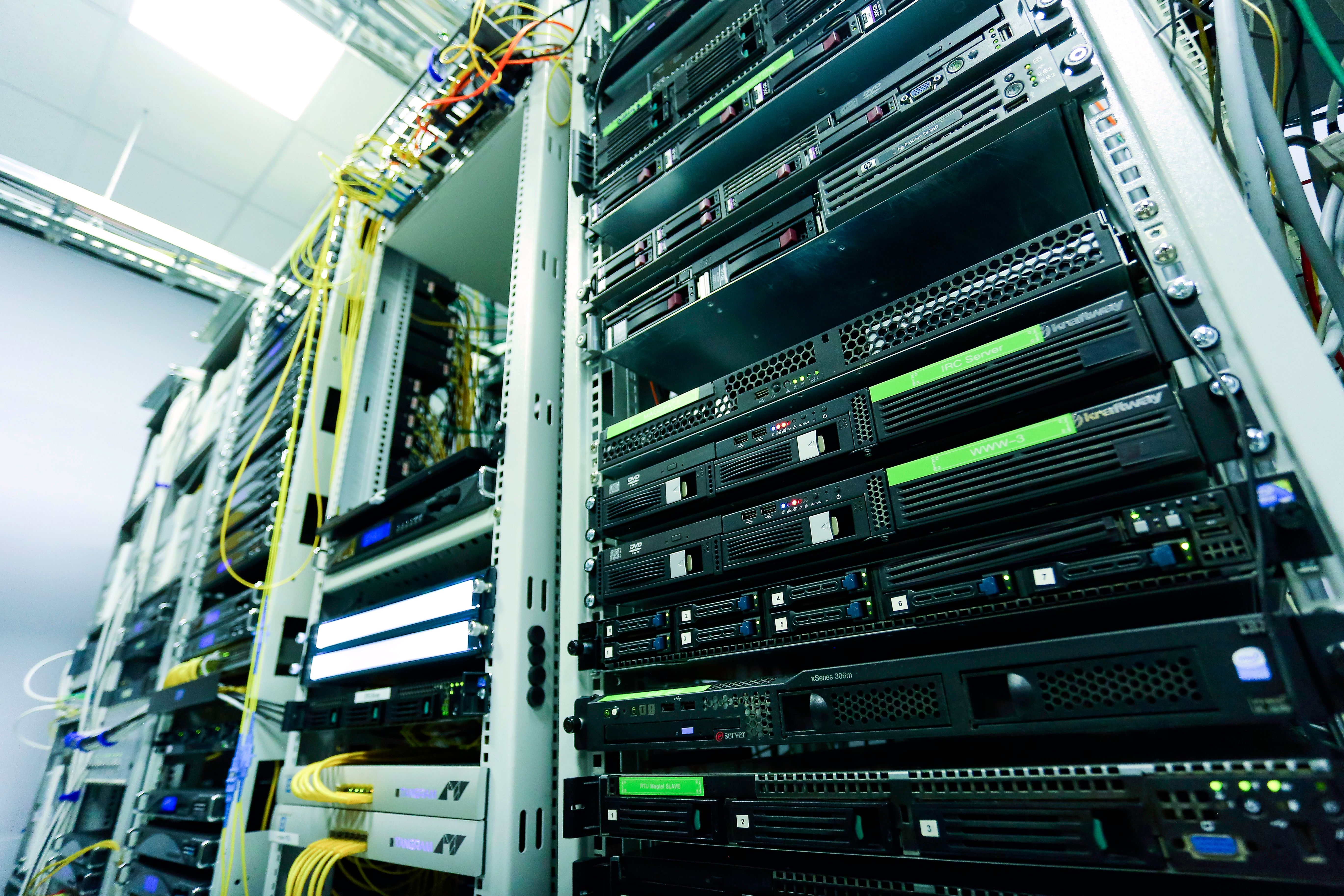
Energy storage is one of the fastest-growing domains of patenting. A joint analysis by the International Energy Agency and the European Patent Office found that patenting in batteries and electricity storage grew at an average of 14 percent per year between 2005 and 2018, roughly four times faster than the all-technology average, across more than 65,000 international patent families, with batteries accounting for the large majority of electricity-storage patenting.¹ More recent IEA analysis reports that batteries have come to dominate the energy patent landscape.² The drivers are structural: the electrification of transport, the decarbonization of the grid, and the need for long-duration storage to balance intermittent renewable generation. These forces have pushed research and filing activity up sharply across several distinct storage technologies at once, and much of the technology that will define the market at the end of the decade is entering the patent record now.
The energy-storage landscape is not a single field but a set of competing technology routes at different technology-readiness levels, and a rigorous landscape has to segment them. Lithium-ion remains the incumbent, with filing activity concentrated on energy density, fast charging, safety, and cell-to-pack manufacturing. Solid-state batteries have seen filing activity grow several-fold since the late 2010s, and the locus of innovation has shifted from electrolyte materials discovery toward interfacial engineering and scalable manufacturing, a transition documented across recent reviews of all-solid-state commercialization.³,⁴ Within that route, the principal electrolyte classes, sulfide, oxide, polymer, and composite, present different trade-offs: sulfide solid electrolytes reach room-temperature ionic conductivities on the order of 10 to the minus three siemens per centimeter, comparable to conventional liquid electrolytes, but the dominant technical barriers are interfacial resistance, electrochemical stability at the electrode interfaces, dendrite suppression, and scalable synthesis of the electrolyte.³,⁴,⁵ Hydrogen storage, particularly solid-state routes using metal hydrides, has surged as fuel-cell and stationary applications advance, with claim activity concentrated on intermetallic alloy families and multi-phase crystal-structure engineering to balance gravimetric capacity against kinetics and operating pressure. Long-duration and grid-scale storage is an active emerging area, where vanadium redox and other flow batteries, compressed-air storage, iron-air chemistries, and thermal and gravity approaches compete, and a large share of the relevant patents are still pending.
That segmentation is the value of patent landscape and white space analysis for the energy transition. A landscape maps where filing activity concentrates, which routes and sub-classes are crowded, and which organizations are most active; a white space analysis maps where activity is sparse, revealing directions where a defensible position is still available. In a field advancing this quickly, where the architectures that will define the 2030 market are being filed today, the ability to resolve both the dense and the sparse regions, at the level of specific technology routes and sub-classes, and to track how they shift, is what converts patent data into strategic positioning.
Why energy patenting is surging
Transport electrification. The transition to electric vehicles drives intense filing in battery chemistries, energy density, fast charging, safety, and manufacturing.
Grid decarbonization. Balancing intermittent renewables requires storage, which drives filing in grid-scale and long-duration technologies.
Long-duration storage demand. Storing energy over many hours or seasonally has pushed activity into flow, compressed-air, iron-air, thermal, and hydrogen routes at differing readiness levels.
Materials and interface innovation. Much of the activity is in materials and interfaces, from solid electrolytes and metal hydrides to electrode-electrolyte engineering, where the underlying research is published before it is patented.
Publication lag. The most recent filings are under-represented because applications publish about eighteen months after their priority date, so current activity is larger than the latest figures show.
How to run an energy patent landscape and white space analysis
Scope the technology space with classification codes, selecting the relevant Cooperative Patent Classification and International Patent Classification categories for the storage routes and sub-classes in view, so the boundary is standardized and reproducible.
Aggregate to the patent-family level, so international coverage of a single invention is not double-counted and volume reflects distinct R&D.
Segment by technology route, separating lithium-ion, solid-state and its electrolyte classes, metal-hydride hydrogen storage, and the long-duration routes, since each is at a different readiness level and must be assessed on its own terms.
Cluster activity by concept using semantic analysis over classification and text, so related work groups together across the varied terminology of materials, chemistries, and architectures.
Map the dense and sparse regions and attribute activity to canonical organizations, identifying crowded sub-classes and open white space and resolving assignee variants to single entities.
Correct for publication lag and monitor continuously, discounting the most recent windows and tracking the landscape over time, because a static snapshot ages quickly in a fast-moving field.
Where Cypris fits
Cypris runs patent landscape and white space analysis for fast-moving fields such as the energy transition across a corpus of more than 500 million patents and scientific papers, organized through a proprietary R&D ontology. That structure lets Cypris segment energy-storage activity by technology route and cluster it by concept across the varied terminology of materials, chemistries, and architectures, so a team can resolve which routes and sub-classes are crowded and which remain open as white space. Dense semantic search across patents and scientific literature connects filings to the underlying materials and interface research, which matters in energy storage because the earliest signals appear in the literature before patents. Cypris Q, the platform's agentic layer, lets teams run landscape and white space analysis conversationally and chain the classification, clustering, attribution, and gap analysis. Agentic Monitoring tracks a defined storage route over time and flags new patents and papers as they publish, which is essential where recent activity is under-represented by publication lag. Cypris provides enterprise API partnerships with OpenAI, Anthropic, and Google, and is built with enterprise-grade security. Cypris serves hundreds of enterprise customers across pharmaceuticals, chemicals, advanced materials, energy, and other regulated industries.
FAQ
Why is energy storage one of the fastest-growing patent areas?
Energy storage is one of the fastest-growing patent areas because of transport electrification, grid decarbonization, and the need for long-duration storage. A joint IEA and EPO analysis found battery and electricity-storage patenting grew about 14 percent per year from 2005 to 2018, roughly four times the all-technology average, across more than 65,000 international patent families. More recent IEA analysis reports that batteries now dominate the energy patent landscape.
What technology routes does the energy-storage patent landscape cover?
The energy-storage patent landscape covers several competing routes at different readiness levels, including lithium-ion, solid-state batteries with sulfide, oxide, polymer, and composite electrolytes, metal-hydride hydrogen storage, and long-duration routes such as flow, compressed-air, iron-air, thermal, and gravity storage. Each is a distinct route with its own activity level and technical barriers. A landscape analysis segments these rather than treating storage as one field.
What is a patent landscape analysis for the energy transition?
A patent landscape analysis for the energy transition maps where filing activity concentrates across energy-storage routes, which sub-classes are crowded, and which organizations are most active, scoped by classification codes and aggregated to the patent-family level. It gives R&D and IP teams a structured, reproducible view of a fast-moving field. Paired with white space analysis, it also identifies the sparse regions where a defensible position is still available.
How do you find white space in energy-storage patents?
Finding white space in energy-storage patents means mapping patents and scientific literature across the routes, clustering activity by concept, and identifying the sparse sub-classes where few patents exist. Because materials and interface research is published before it is patented, literature coverage reveals white space earlier. The sparse regions indicate directions where a team can still build a novel, defensible position.
Why use classification codes and patent families in an energy landscape?
Classification codes scope the technology space in a standardized, reproducible way independent of applicant terminology, and patent-family aggregation avoids double-counting the multiple international applications a single invention generates. Together they make the landscape accurate and comparable across competitors. Keyword-only scoping and document-level counting distort both boundary and volume.
What are the main technical barriers in solid-state batteries?
The main technical barriers in solid-state batteries are interfacial resistance and stability at the electrode-electrolyte interfaces, dendrite suppression, and scalable synthesis and manufacturing of the solid electrolyte. Sulfide electrolytes reach ionic conductivities comparable to liquid electrolytes, so the current focus has shifted from materials discovery toward interface engineering and manufacturing. Patent activity reflects this shift.
Why does publication lag matter in energy patent landscapes? Publication lag matters because applications publish about eighteen months after their priority date, so the most recent filing activity is under-represented in current data. In a fast-moving field like energy storage, apparent softness in the latest window is usually an artifact of lag rather than a real slowdown. Longer-window trends and continuous monitoring are more reliable than the latest figures alone.
Why does energy patent analysis need scientific literature?
Energy patent analysis needs scientific literature because much of the innovation is in materials and interfaces, which are typically published in research before they are patented. Analyzing patents alone gives a lagging view, while adding literature reveals emerging activity earlier. Cypris analyzes both across more than 500 million patents and scientific papers.
How do you keep an energy patent landscape current?
Keeping an energy patent landscape current requires continuous monitoring, because the field moves quickly, new filings and research publish constantly, and publication lag hides the most recent activity. A one-time landscape ages fast. Cypris uses Agentic Monitoring to track a defined storage route over time and flag new patents and papers as they publish.
Who uses patent landscape analysis for the energy transition?
Patent landscape analysis for the energy transition is used by R&D, innovation, IP, and strategy teams at battery makers, automotive and energy companies, materials developers, and their partners. It informs where to invest, where to file, and where competitors are concentrating. Cypris serves hundreds of enterprise customers across energy, advanced materials, chemicals, and other regulated industries.
Works Cited
- International Energy Agency & European Patent Office (2020). Innovation in Batteries and Electricity Storage: A Global Analysis Based on Patent Data. https://www.iea.org/reports/innovation-in-batteries-and-electricity-storage
- International Energy Agency (2026). The State of Energy Innovation 2026. https://www.iea.org/reports/the-state-of-energy-innovation-2026
- Kim, J.-J. et al. (2026). Key Challenges and Strategies for Commercialization of All-Solid-State Batteries: Materials, Interface Engineering, and Manufacturing Processes. International Journal of Energy Research. https://doi.org/10.1155/er/8704807
- Liu, Q. et al. (2023). Interfacial Modification, Electrode/Solid-Electrolyte Engineering, and Monolithic Construction of Solid-State Batteries. Electrochemical Energy Reviews. https://doi.org/10.1007/s41918-022-00167-1
- Gamo, H., Nagai, A. & Matsuda, A. (2023). Toward Scalable Liquid-Phase Synthesis of Sulfide Solid Electrolytes for All-Solid-State Batteries. Batteries. https://doi.org/10.3390/batteries9070355
.jpg)
The Model Context Protocol has become the connective tissue between AI assistants and the specialized data that R&D and IP teams depend on. Instead of copying patent claims into a chat window or pasting abstracts from a database, a team can connect an AI client directly to patent and scientific literature sources and work in natural language. But 2026 has surfaced a sharper distinction than "which server connects to which database." The more important question for innovation leaders is whether a server is a single-source connector or a domain-oriented intelligence layer built to support the actual decisions in an R&D and IP stage-gate process. This ranked guide covers the most capable options available today, leading with the one built for end-to-end R&D workflows and following with the strongest open-source connectors for teams assembling their own stack.
A note on method before the list. Every open-source server below is a real, publicly available project with a verifiable repository or registry listing. The ranking weighs how well a server supports actual R&D and IP decisions, alongside breadth of data coverage, depth of available tools, maintenance signals, and usability for a non-developer working through an AI client rather than the command line.
1. Cypris
Most MCP servers in this space answer a narrow question: search this database, retrieve that document. Cypris approaches the problem from the opposite direction, as a domain-oriented intelligence layer designed for the agents that map to real R&D and IP stage gates rather than for one-off lookups. The distinction matters because innovation decisions are not single queries; they are structured workflows where prior art, white space, freedom to operate, and regulatory signals each gate a project's progress.
That orientation is what sets it at the top of this list. Cypris is built to support prior art agents that surface relevant disclosures before a program commits resources, white space agents that identify uncontested technical territory, freedom-to-operate agents that flag blocking risk, and regulatory agents that track the filings and approvals shaping a field. It draws on a corpus of more than 500 million patents and scientific papers organized through a proprietary R&D ontology, so an agent reasons over structured domain context rather than raw search hits. Cypris Q, the platform's agentic layer, and enterprise API partnerships with OpenAI, Anthropic, and Google are what make this accessible to Fortune 500 R&D teams inside their own AI environments. It meets enterprise-grade security requirements, which is the threshold for deployment at that scale. For organizations whose AI agents need to fit the stage-gate process rather than just query a database, this is the layer built for the job.
2. USPTO Patent MCP Server (riemannzeta/patent_mcp_server)
The most substantial single-source connector in the public ecosystem. It is a FastMCP server for accessing United States Patent and Trademark Office patent and application data through the Patent Public Search API, the Open Data Portal API, PTAB API v3, and Patent Litigation APIs, letting an AI client search granted patents and applications, work through PTAB proceedings, analyze litigation, and research prosecution history. GitHub
What earns it credibility is its transparency about API churn. It provides 52 tools across 6 USPTO data sources, of which 27 are active and 25 are unavailable due to API shutdowns. Notably, the PatentsView API was shut down on March 20, 2026 with data migrated to ODP bulk datasets, and the Office Action and Enriched Citation APIs were decommissioned in early 2026. The affected tools remain registered and return workaround guidance rather than failing silently. For US-centric patent work assembled in-house, this is the strongest starting point. GitHubGitHub
3. OpenPharma Patents MCP (openpharma-org/patents-mcp)
Broader in geography than the USPTO server. It accesses patent data from multiple sources including the USPTO and Google Patents, offering Patent Public Search, the Open Data Portal for metadata and assignment data, and Google Patents access to 90 million-plus publications across 17-plus countries via Google BigQuery, spanning US, EP, WO, JP, CN, KR, GB, DE, FR, CA, AU and more. The tradeoff is setup friction: the Google Patents tools require a Google Cloud project with BigQuery access and a service account key, and the ODP tools require a USPTO API key. That puts full functionality slightly beyond a non-technical user, but for global patent landscape work the breadth is hard to match. GitHub + 2
4. Patent Connector (patent.dev)
The most approachable option for European coverage. It is a Model Context Protocol server in open beta that connects ChatGPT Desktop, Claude Desktop, and other MCP-compatible tools directly to patent databases, starting with the free EPO Open Patent Services API, with data drawn from the EPO's bibliographic, legal event, full-text and image databases, the same sources behind Espacenet and the European Patent Register. The EPO OPS API is free to use after registering for credentials, with a non-paying tier available. Its accuracy argument is genuine: general tools reaching Google Patents through web search tend to confuse filing and publication dates or extract incomplete claim text, which a dedicated retrieval layer avoids. Patent + 2
5. Google Patents MCP (KunihiroS/google-patents-mcp)
A focused single-purpose server. It searches Google Patents via the SerpApi Google Patents API and can be installed for Claude Desktop automatically via Smithery, requiring a SerpApi API key provided as an environment variable. It supports filtering by country and other parameters. The dependency on a third-party paid API is the main consideration, but for natural-language Google Patents search it does one job well. GitHubGitHub
6. Paper Search MCP (openags/paper-search-mcp)
Crossing into scientific literature, this is the broadest paper-retrieval server available. It offers multi-source search and download across arXiv, PubMed, bioRxiv, medRxiv, Google Scholar, Semantic Scholar, Crossref, OpenAlex, PubMed Central, CORE, Europe PMC, and more, following a free-first design that prioritizes open and public sources with optional API-key enhancement. For literature coverage breadth, nothing else in the open ecosystem comes close. MCP ServersMCP Servers
7. Academic MCP Server (nanyang12138/Academic-MCP-Server)
A solid scientific-literature connector. It supports six databases: PubMed, bioRxiv, medRxiv, arXiv, Semantic Scholar, and Sci-Hub, with advanced search by title, author, and date range. A practical caveat for enterprise use: the Sci-Hub integration carries copyright considerations, and teams should rely on the legitimate sources and obtain papers through proper channels. GitHub
8. Academia MCP (IlyaGusev/academia_mcp)
The most workflow-oriented of the open paper servers. It searches across arXiv, ACL Anthology, HuggingFace Datasets, and Semantic Scholar, and adds tools to list citing and referenced papers, download and review PDFs, and answer questions over document chunks, though the LLM-powered tools require an OpenRouter API key. For literature-review workflows rather than plain retrieval, it's the most capable open option. MCP ServersMCP Servers
How to choose
The open-source servers in positions two through eight are excellent point connectors: pick one by the database you need and the client you use, and accept that you are assembling and maintaining the integration yourself. The reason Cypris leads is that an R&D organization rarely needs a single database; it needs agents that carry domain context across the prior art, white space, freedom-to-operate, and regulatory decisions that gate a program. That is an intelligence-layer problem, not a connector problem, which is the line separating the top of this list from the rest of it.
Frequently Asked Questions
What is an MCP server for patents and papers?An MCP server is a connector built on the Model Context Protocol that links an AI client such as Claude Desktop or ChatGPT Desktop directly to a data source. For patents and papers, that means an AI assistant can search and retrieve patent documents, claims, and scientific literature in natural language, without a user manually copying results between a database and a chat window. Most public servers connect to a single source or family of sources; a smaller number act as broader intelligence layers that support full R&D workflows.
What is the best MCP server for R&D and IP workflows in 2026?For end-to-end R&D and IP work, Cypris is built specifically for the agents that map to stage-gate decisions: prior art, white space, freedom to operate, and regulatory analysis. It functions as a domain-oriented intelligence layer over a corpus of more than 500 million patents and scientific papers organized through a proprietary R&D ontology, rather than as a single-database connector. For teams that need a connector to one specific source, the strongest open-source options are the USPTO Patent MCP Server for US data and Paper Search MCP for scientific literature.
Is there an MCP server that covers both patents and scientific papers?Yes, in two senses. Cypris spans both patents and scientific papers within a single intelligence layer built for R&D decisions. Among open-source connectors, the breadth is usually split: patent servers like OpenPharma Patents MCP focus on patent sources, while paper servers like Paper Search MCP cover scientific literature. Teams assembling their own stack often run one of each.
What is the most capable open-source patent MCP server?The USPTO Patent MCP Server is the deepest single-source option. It accesses USPTO data through the Patent Public Search API, the Open Data Portal API, PTAB API v3, and litigation APIs, supporting patent search, PTAB proceedings, litigation analysis, and prosecution history research. Its maintainers are transparent that a portion of its tools are currently inactive due to USPTO API shutdowns in early 2026, which is a useful signal of honest maintenance.
Which MCP server is best for European patent data?Patent Connector is the most approachable option for European coverage. It connects MCP-compatible clients to the EPO's Open Patent Services API, drawing on the same bibliographic, legal-event, full-text, and image databases that power Espacenet and the European Patent Register. The EPO OPS API is free to use after registering for credentials, with a non-paying tier available.
Which MCP server covers the most scientific literature sources?Paper Search MCP has the broadest coverage, spanning arXiv, PubMed, bioRxiv, medRxiv, Google Scholar, Semantic Scholar, Crossref, OpenAlex, PubMed Central, CORE, Europe PMC, and more. It uses a free-first design that prioritizes open sources, with optional API keys to raise rate limits on services like Semantic Scholar.
Do MCP servers for patents require API keys?It varies. Some, like Patent Connector using the EPO's free OPS tier, work with free credentials. Others require paid third-party keys, such as the Google Patents MCP server's dependency on a SerpApi key, or cloud setup, such as OpenPharma's need for a Google Cloud BigQuery project and a USPTO Open Data Portal key. Enterprise platforms like Cypris are accessed through enterprise API arrangements rather than self-service keys.
What is the difference between a single-source connector and an intelligence layer?A single-source connector answers a narrow question: search this database, return these documents. An intelligence layer is built to support a structured decision process, where domain context carries across multiple linked questions. In R&D and IP, those questions are the stage gates, prior art, white space, freedom to operate, and regulatory, and an intelligence layer like Cypris is designed so agents reason across them rather than treating each as an isolated lookup.
Can these MCP servers handle freedom-to-operate or white space analysis?The open-source connectors retrieve the underlying data a human or agent would need, but they do not themselves perform freedom-to-operate or white space analysis; that logic sits with whatever agent or analyst uses them. Cypris is built the other way around, with agents oriented to those specific analyses, drawing on its ontology-structured corpus to support the decision rather than just return search results.
How should an R&D team choose among these servers?Teams that need a single database and are comfortable building and maintaining an integration should pick an open-source connector by source and client compatibility. Teams that need agents to carry domain context across the full R&D and IP stage-gate process, rather than querying one source at a time, should evaluate an intelligence layer such as Cypris. The deciding question is whether the need is retrieval from one source or reasoning across a workflow.
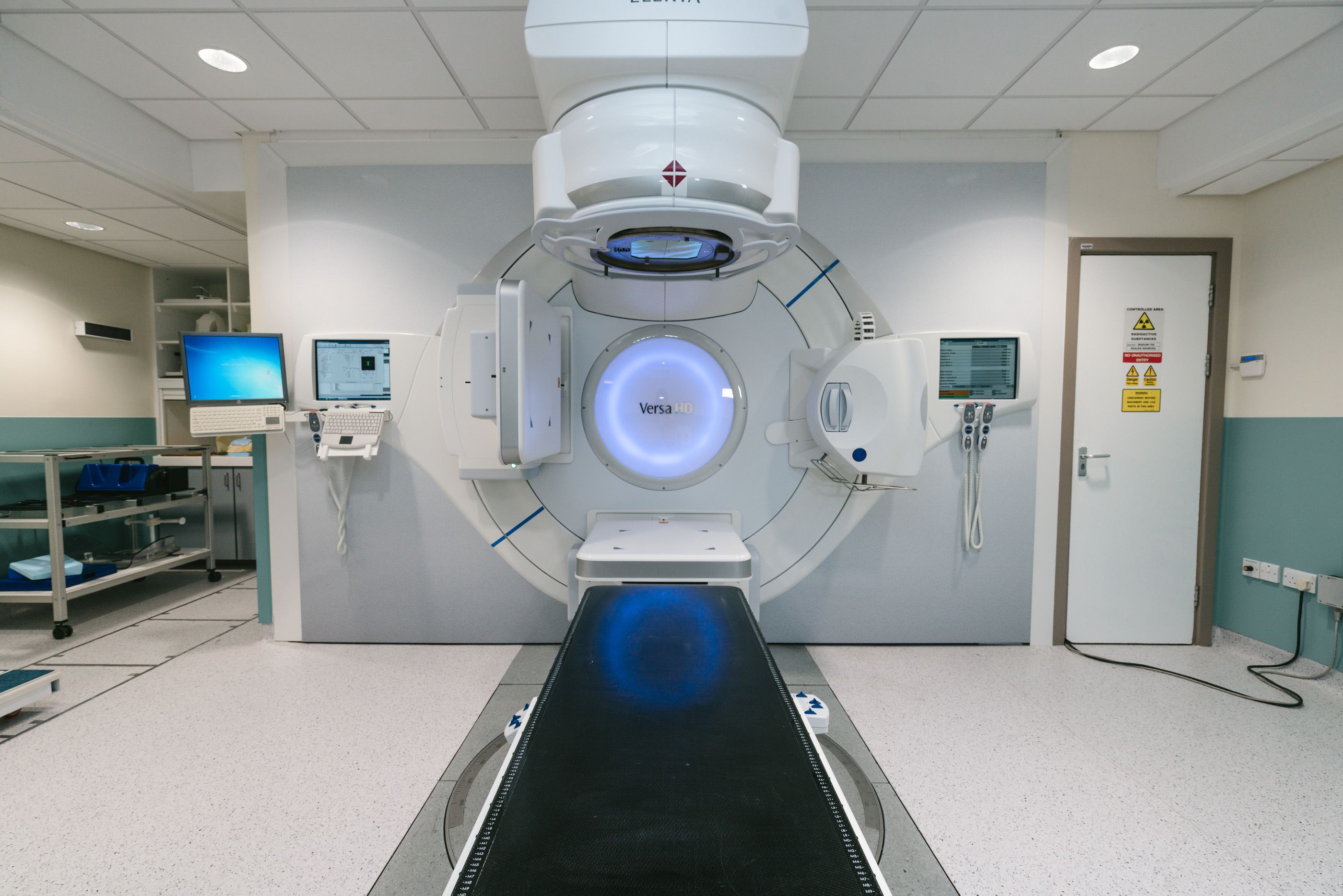
Radioligand therapy has become one of the fastest-growing modalities in oncology, and its patent landscape is distinctive because a radiopharmaceutical is a modular product assembled from independently patentable parts. A radioligand therapy joins a radioactive isotope to a targeting molecule, an antibody, peptide, or small molecule that homes to a tumor marker, through a chelator that holds the isotope and a linker that connects the pieces, and it is delivered under a specific dosing regimen and produced by a specialized, time-critical manufacturing process. Peer-reviewed analyses of the modality describe exactly this layered structure, spanning the radioisotope and its decay-chain radiochemistry and quality control, the chelator, and the targeting vector.¹,²,³ A notable feature of the record is that most patent families in this space disclose the vector, the radiolabel, and the chelator together rather than in isolation, so the layers, while conceptually distinct, are rarely cleanly separated, which is itself a landscape finding. Because these elements can nonetheless be claimed separately and are often held by different owners, freedom-to-operate for a new radioligand therapy is a multi-layer, multi-owner analysis rather than a single clearance.
The commercial and deal environment has raised the stakes across every layer. The approval and rapid uptake of the first marketed radioligand therapies validated the model: Lutathera (lutetium-177 dotatate) was approved in 2017 in the European Union and 2018 in the United States and expanded to pediatric patients aged twelve and older with gastroenteropancreatic neuroendocrine tumors in April 2024,⁴ and Pluvicto (lutetium-177 vipivotide tetraxetan) received initial US approval in 2022.⁵ A wave of multi-billion-dollar acquisitions followed as large pharmaceutical companies, including Bristol Myers Squibb, Eli Lilly, AstraZeneca, and Novartis, bought their way into targeting platforms and, increasingly, into isotope access; Bristol Myers Squibb's all-cash acquisition of RayzeBio, at roughly $4.1 billion in equity value ($62.50 per share), is representative of the scale of the deals.⁶ Because radiopharmaceuticals decay on a clock, the supply and quality control of the isotope, particularly short-lived alpha-emitters, has become a strategic constraint, and it remains a named bottleneck in the peer-reviewed literature.³ The patent picture reflects both the therapy and the infrastructure around it: across the Cypris corpus of more than 500 million patents and scientific papers, the radioligand- and radionuclide-therapy space holds roughly 25,600 de-duplicated families and has grown about 2.8 times from 2015 to 2024, with the United States far in front on geography, followed by Germany, Switzerland, and China, and the most active assignees spanning pharmaceutical companies, imaging and isotope suppliers, and academic medical centers. Because applications publish about eighteen months after filing, the newest chelator, ligand, and manufacturing filings are under-represented (2025 and 2026 counts are partial), so the current frontier is more active than granted-patent counts suggest.
The strategic picture turns on two shifts. First, the field is moving from beta-emitting isotopes toward more potent, shorter-range alpha-emitters such as actinium-225, whose high-energy, short-range emissions can raise tumor cell kill while limiting marrow toxicity.⁷,⁸,⁹ That shift is visible but still early in the patent record: across the Cypris corpus, the beta-emitter slice outweighs the alpha-emitter slice by roughly 1.8 to 1 on an indicative basis, so the field remains beta-dominant even as the alpha share rises quickly. The shift also changes the IP, because the chelators, purification methods, and supply chains for alpha-emitters are distinct and less mature; specialized macrocyclic chelators developed for actinium, and computational chelator-design methods, define much of this layer, and theranostic chelators that pair imaging and therapy add another dimension.¹⁰,¹¹,¹² Second, because a working therapy requires rights across the isotope, the chelator, the ligand, and the manufacturing chain, licensing structure matters as much as claim scope, and newer targeting vectors, such as somatostatin-receptor agonists and antagonists for neuroendocrine tumors, open fresh ligand-layer positions.¹³ Reading the landscape by layer and by owner, and tracking both the patents and the underlying chemistry and nuclear-medicine research, is what separates a workable position from a blocked one.
What creates FTO risk in radioligand therapy
Isotope and isotope-production claims. These cover the radioisotope and the methods to produce, purify, and quality-control it, an increasingly contested layer as alpha-emitter supply becomes a bottleneck.²,³
Chelator and linker claims. These cover the chemistry that holds the isotope and connects it to the targeting molecule, a distinct and heavily engineered layer, especially for alpha-emitters.¹⁰
Targeting ligand claims. These cover the antibody, peptide, or small molecule that directs the therapy to a tumor marker, often the most visible layer and a frequent source of competition.¹³
Combination and regimen claims. These cover pairings with other agents and specific dosing schedules, which can independently block a competing label.
Manufacturing and supply-chain claims. These cover the time-critical production, formulation, and distribution of a decaying product, where practical, hard-to-design-around barriers concentrate.³
How AI-powered landscape and FTO analysis helps
A modular, multi-owner, supply-constrained landscape is beyond manual clearance. AI-powered analysis addresses this with semantic search that retrieves relevant isotope, chelator, ligand, combination, and manufacturing claims regardless of terminology, attribution that resolves the many owners and the license and acquisition chains to canonical entities, claim-level analysis that separates the layers, and continuous monitoring that tracks new filings, supply agreements, and deals. Because radiopharmaceutical advances appear in scientific and nuclear-medicine literature before they are patented, reading both patents and literature gives earlier warning of where the field is heading.
Where Cypris fits
Cypris runs patent landscape and freedom-to-operate analysis for modular, contested fields such as radioligand therapy across a corpus of more than 500 million patents and scientific papers, organized through a proprietary R&D ontology. The ontology clusters the landscape by layer, isotope, chelator, targeting ligand, combination, and manufacturing, and normalizes owners and their acquisition chains to canonical entities, so a team sees how rights and isotope access are distributed across many parties rather than a flat list. Semantic search across patents and scientific literature surfaces relevant claims regardless of terminology and connects filings to the underlying chemistry and nuclear-medicine research, which is where new chelators, alpha-emitter methods, and ligands emerge first. Cypris Q, the platform's agentic layer, lets teams run landscape and FTO analysis conversationally and chain the attribution, clustering, and claim-level analysis across layers, and Agentic Monitoring tracks the landscape over time and flags new filings and developments as they publish. Cypris provides enterprise API partnerships with OpenAI, Anthropic, and Google, and is built with enterprise-grade security. Cypris serves hundreds of enterprise customers across pharmaceuticals, chemicals, advanced materials, energy, and other regulated industries.
FAQ
Why is freedom-to-operate hard for radioligand therapy? Freedom-to-operate is hard for radioligand therapy because a radiopharmaceutical is assembled from several independently patentable layers, the isotope, the chelator, the targeting ligand, the combination regimen, and the manufacturing and supply chain, often held by different owners. In practice most filings disclose several layers together. FTO is therefore a multi-layer, multi-owner analysis that must also account for isotope access.
Why is isotope supply a strategic issue? Isotope supply is strategic because radiopharmaceuticals decay on a clock, so a therapy is only viable if the isotope can be produced, purified, and delivered on time, and the supply of short-lived alpha-emitters is constrained. The preparation and quality control of actinium-225 in particular remain named bottlenecks in the literature. The isotope-production and purification layer is increasingly patented and contested.
What claim types create FTO risk in radioligand therapy? Five claim types create FTO risk: isotope and isotope-production claims, chelator and linker claims, targeting ligand claims, combination and regimen claims, and manufacturing and supply-chain claims. Each covers a distinct layer and can be held by a different owner. The chelator and isotope-production layers are especially decisive for alpha-emitters.
Why is the shift from beta to alpha emitters important? The shift matters because alpha-emitters are more potent over a shorter range, but their chelators, purification methods, and supply chains are distinct and less mature than those for beta-emitters. In the patent record the field is still beta-dominant, with alpha rising quickly. That immaturity opens white space for developers who solve the chemistry and supply problems.
Where is the white space in radiopharmaceuticals? The white space sits in alpha-emitter chelators and purification, isotope-production methods, novel targeting ligands for markers beyond the most crowded targets, and time-critical manufacturing and distribution. The leading targets and beta-emitter chemistries are comparatively crowded. The higher-value opportunities are in the alpha-emitter and supply layers.
Why does radiopharmaceutical analysis need scientific literature? Radiopharmaceutical analysis needs scientific literature because chelator, isotope, and ligand advances appear in chemistry and nuclear-medicine research before they are patented, so the literature gives the earliest signal. Analyzing patents alone gives a lagging view. Cypris analyzes both across more than 500 million patents and scientific papers.
What software helps analyze the radiopharmaceutical patent landscape? Software for the radiopharmaceutical landscape should resolve owners, acquisition chains, and isotope access to canonical entities, cluster the isotope, chelator, ligand, and manufacturing layers, search patents and scientific literature semantically, and monitor deals and new filings continuously. Cypris does this across more than 500 million patents and scientific papers using a proprietary R&D ontology, semantic search, Cypris Q, and Agentic Monitoring.
Which teams need radiopharmaceutical patent landscape and FTO analysis? Radiopharmaceutical patent landscape and FTO analysis is needed by R&D, IP, and business-development teams at radiopharma and oncology companies, isotope producers, and their partners, as well as investors assessing radioligand assets. The modular, supply-constrained, deal-driven landscape makes structured analysis essential. Cypris serves hundreds of enterprise customers across pharmaceuticals and other research-intensive industries.
Endnotes
- Andrade, D. B., Chen, S., Lee, S. T., Vallis, K. A., et al. (2024). A meta-analysis and meta-regression of PSMA radioligand therapy utilising lutetium-177 and actinium-225 in metastatic prostate cancer. European Urology. https://doi.org/10.1016/j.eururo.2024.09.020
- Seimbille, Y., de Blois, E., Morgenstern, A., et al. (2025). Ac-225 radiochemistry through the lens of [225Ac]Ac-DOTA-TATE. EJNMMI Radiopharmacy and Chemistry, 10. https://doi.org/10.1186/s41181-025-00332-z
- Duatti, A. (2025). Open problems for the preparation and quality control of Ac-225 radiopharmaceuticals. Current Radiopharmaceuticals. https://doi.org/10.1016/j.craph.2025.100004
- U.S. Food and Drug Administration (2024, April 23). FDA approves lutetium Lu 177 dotatate for pediatric patients 12 years and older with GEP-NETS. https://www.fda.gov/drugs/resources-information-approved-drugs/fda-approves-lutetium-lu-177-dotatate-pediatric-patients-12-years-and-older-gep-nets
- U.S. Food and Drug Administration (2022). PLUVICTO (lutetium Lu 177 vipivotide tetraxetan) prescribing information. https://www.accessdata.fda.gov/drugsatfda_docs/label/2022/215833s000lbl.pdf
- Bristol Myers Squibb (2023). Broadening our oncology capabilities with the acquisition of RayzeBio (Exhibit 99.1), U.S. Securities and Exchange Commission. https://www.sec.gov/Archives/edgar/data/14272/000114036123059406/ny20017436x1_ex99-1.htm
- Bishnoi, K., Panda, A. K., Parida, G. K., & Agrawal, K. (2023). Efficacy and safety of Ac-225 PSMA radioligand therapy in metastatic prostate cancer: a systematic review and meta-analysis. Medical Principles and Practice, 32(3). https://doi.org/10.1159/000531246
- Pini, C., Gelardi, F., Gandaglia, G., et al. (2025). Time for action: actinium-225 PSMA-targeted alpha therapy for metastatic prostate cancer — systematic review and meta-analysis. Theranostics, 15. https://doi.org/10.7150/thno.106574
- Treglia, G., Impériale, A., Paone, G., et al. (2025). Efficacy and safety of radioligand therapy with actinium-225 DOTATATE in neuroendocrine neoplasms: a systematic review and meta-analysis. Medicina, 61(8), 1341. https://doi.org/10.3390/medicina61081341
- Thiele, N. A., Radchenko, V., Ramogida, C. F., Wilson, J. J., et al. (2017). An eighteen-membered macrocyclic ligand for actinium-225 targeted alpha therapy. Angewandte Chemie International Edition, 56(46). https://doi.org/10.1002/anie.201709532
- Stein, B. W., Lilley, L. M., Batista, E. R., et al. (2020). Computer-assisted design of macrocyclic chelators for actinium-225 radiotherapeutics. Inorganic Chemistry, 59(21). https://doi.org/10.1021/acs.inorgchem.0c02432
- Comba, P., Zarschler, K., Stephan, H., et al. (2022). Toward personalized medicine: one chelator for imaging and therapy with lutetium-177 and actinium-225. Journal of the American Chemical Society, 144(41). https://doi.org/10.1021/jacs.2c08438
- Jakobsson, V., Baum, R. P., Greifenstein, L., Zhang, J., et al. (2022). Alpha-PRRT using actinium-225-labeled somatostatin receptor agonists and antagonists. Frontiers in Medicine, 9. https://doi.org/10.3389/fmed.2022.1034315