
A faster, more accurate way to explore innovation data—now available in Cypris.
For innovation teams, speed and accuracy aren’t optional—they’re critical. You need to quickly find all relevant documents, slice and dice datasets however you want, and trust that the results are complete and representative. With this in mind, we’ve upgraded how semantic search works inside Cypris.
Today, we’re launching an upgraded search infrastructure that gives users access to full, exact result sets—unlocking more powerful analysis, faster iteration, and deterministic filtering and charting.
Unlike traditional semantic or vector search engines—which make it difficult to count, filter, or chart large sets of matched documents—our new approach prioritizes transparency and performance while preserving semantic relevance.
Why we moved away from vector search
Our original implementation relied on semantic and vector search to capture the “meaning” behind user queries. But as our platform evolved, it became clear that these systems weren’t well-suited for our core use cases.
Users needed:
- Deterministic filtering (e.g., "how many results match this atom?")
- Transparent, complete result sets to power charts and dashboards
- Fast, repeatable queries that don’t change subtly over time
Modern vector search systems don’t easily support this level of transparency. They return approximate matches and abstract similarity scores, often making it hard to understand why a document was returned—or whether it’s the full picture.
So we made a decision: move away from vector search and lean into what traditional search engines do best.
A return to boolean and lexical search—with a twist
We rebuilt our search infrastructure on top of Elasticsearch’s powerful boolean and lexical search capabilities. This shift brings major advantages:
- Faster query speeds that dramatically improve iteration time
- Deterministic filtering and counts, so every chart is grounded in the full dataset
- Predictable, explainable results that users can trust
But we didn’t stop there.
To preserve the benefits of semantic understanding, we’ve rethought where that intelligence should live—not at query time, but at data ingestion.
Capturing semantic meaning at ingest time
Instead of computing document-query similarity during search, we enrich documents at the time of ingestion. Here’s how:
- Synonym expansion: We find related words and concepts not explicitly mentioned in the document and add them as fields, enabling semantic-style recall via lexical search.
- Stemming: Both queries and documents are reduced to their root forms, allowing consistent matches (e.g., “running” and “run”).
The result? You get the same functionality—semantically relevant results—without the opacity or latency tradeoffs of vector search.
What’s next: Reranking for even better relevance
We’re not done. Coming soon to Cypris is a reranking layer that boosts the most relevant results to the top of the list using lightweight vector techniques.
Here’s how it works:
- A standard lexical search retrieves the full result set.
- We take the top N results and rerank them using vector similarity, powered by Elasticsearch’s new hybrid scoring capabilities.
- You get faster queries with even better relevance—without compromising on counts or transparency.
This layered approach gives us the best of both worlds: precise filtering and fast queries, plus smarter ordering of results where it matters most.
We’re excited to bring this upgrade to our users, and we’re already seeing teams iterate faster and uncover insights more confidently. This is a foundational shift—and just the beginning of what’s to come.
Want a walkthrough of what’s changed? Reach out to our team.

Introducing our upgraded semantic search



A faster, more accurate way to explore innovation data—now available in Cypris.
For innovation teams, speed and accuracy aren’t optional—they’re critical. You need to quickly find all relevant documents, slice and dice datasets however you want, and trust that the results are complete and representative. With this in mind, we’ve upgraded how semantic search works inside Cypris.
Today, we’re launching an upgraded search infrastructure that gives users access to full, exact result sets—unlocking more powerful analysis, faster iteration, and deterministic filtering and charting.
Unlike traditional semantic or vector search engines—which make it difficult to count, filter, or chart large sets of matched documents—our new approach prioritizes transparency and performance while preserving semantic relevance.
Why we moved away from vector search
Our original implementation relied on semantic and vector search to capture the “meaning” behind user queries. But as our platform evolved, it became clear that these systems weren’t well-suited for our core use cases.
Users needed:
- Deterministic filtering (e.g., "how many results match this atom?")
- Transparent, complete result sets to power charts and dashboards
- Fast, repeatable queries that don’t change subtly over time
Modern vector search systems don’t easily support this level of transparency. They return approximate matches and abstract similarity scores, often making it hard to understand why a document was returned—or whether it’s the full picture.
So we made a decision: move away from vector search and lean into what traditional search engines do best.
A return to boolean and lexical search—with a twist
We rebuilt our search infrastructure on top of Elasticsearch’s powerful boolean and lexical search capabilities. This shift brings major advantages:
- Faster query speeds that dramatically improve iteration time
- Deterministic filtering and counts, so every chart is grounded in the full dataset
- Predictable, explainable results that users can trust
But we didn’t stop there.
To preserve the benefits of semantic understanding, we’ve rethought where that intelligence should live—not at query time, but at data ingestion.
Capturing semantic meaning at ingest time
Instead of computing document-query similarity during search, we enrich documents at the time of ingestion. Here’s how:
- Synonym expansion: We find related words and concepts not explicitly mentioned in the document and add them as fields, enabling semantic-style recall via lexical search.
- Stemming: Both queries and documents are reduced to their root forms, allowing consistent matches (e.g., “running” and “run”).
The result? You get the same functionality—semantically relevant results—without the opacity or latency tradeoffs of vector search.
What’s next: Reranking for even better relevance
We’re not done. Coming soon to Cypris is a reranking layer that boosts the most relevant results to the top of the list using lightweight vector techniques.
Here’s how it works:
- A standard lexical search retrieves the full result set.
- We take the top N results and rerank them using vector similarity, powered by Elasticsearch’s new hybrid scoring capabilities.
- You get faster queries with even better relevance—without compromising on counts or transparency.
This layered approach gives us the best of both worlds: precise filtering and fast queries, plus smarter ordering of results where it matters most.
We’re excited to bring this upgrade to our users, and we’re already seeing teams iterate faster and uncover insights more confidently. This is a foundational shift—and just the beginning of what’s to come.
Want a walkthrough of what’s changed? Reach out to our team.
Keep Reading

Google Scholar is a reliable source of research data and information for R&D teams. With its advanced search capabilities, comprehensive indexing of scholarly literature, and a vast range of resources available to researchers, Google Scholar can be an invaluable tool in the pursuit of innovation. But how reliable is Google Scholar?
This blog post will explore what makes Google Scholar so reliable by examining how it works, exploring its advantages and disadvantages as well as looking at alternative sources that may provide comparable results. Whether you’re an experienced researcher or just getting started with your project, understanding the reliability offered by Google Scholar is essential to ensure successful outcomes from your work. So let’s answer: how reliable is Google Scholar?
Table of Contents
How to Use Google Scholar Effectively
Advantages of Using Google Scholar
Disadvantages of Using Google Scholar
Alternatives to Google Scholar
Conclusion: How Reliable Is Google Scholar?
What Is Google Scholar?
how reliable is Google Scholar? Google Scholar is a free search engine developed by Google that enables users to find scholarly literature from journals, books, and other sources.
Google Scholar offers a vast selection of scholarly works, including journal articles, conference papers, theses, dissertations, and preprints. Google Scholar is widely used by researchers due to its sophisticated algorithms and comprehensive selection of scholarly material from various sources.
Google Scholar’s accessibility and availability provide a major benefit to researchers. With its powerful algorithms and comprehensive coverage of academic literature across all disciplines, it offers open access to millions of documents from different sources including open-access repositories like PubMed Central or arXiv – something that traditional library databases can’t offer.
With its user-friendly interface, Google Scholar enables researchers to quickly refine their searches based on various criteria such as author name or publication year, thus optimizing the research process.
Verifying the accuracy and reliability of sources can be a challenge when using Google Scholar, due to its lack of editorial oversight on many documents indexed. In addition, it only provides access to a limited number of sources compared with more comprehensive search engines like Scopus or Web Of Science. Although these may require payment for full-text access.
Google Scholar is a powerful tool for research and innovation teams to quickly access relevant information. By understanding how to use Google Scholar effectively, you can maximize its potential in your research process.
Key Takeaway: Google Scholar is a powerful search tool that offers unrestricted access to vast amounts of data from diverse origins, thus rendering it an invaluable asset for researchers. However, the accuracy and reliability of some indexed materials may be questionable due to their lack of editorial oversight and limited source accessibility.
How to Use Google Scholar Effectively
How reliable is Google Scholar? We can make it reliable by learning how to use it effectively. Using Google Scholar effectively can be a game-changer for R&D and innovation teams.
Getting set up with an account is the initial step for utilizing Google Scholar efficiently, taking only a few moments of your time. Once you have set up your account, Google Scholar’s extensive resources will be available to you.
To begin searching for relevant information, use keywords that are related to your research topic or question. You can also refine your results by using advanced search options such as language, author name, and year of publication if needed. Keeping track of all the sources you find during this process is essential to avoid duplicating work and ensure accuracy in citations when writing reports or articles later on.
Google Scholar’s convenience and breadth of resources, providing access to thousands of scholarly articles from various disciplines worldwide with just a single click, make it an ideal tool for researchers at all levels. Furthermore, its user-friendly interface makes navigation easy even for those who may not have had much experience with online databases or search engines – making it ideal for researchers at all levels.
In addition, its comprehensive coverage includes both peer-reviewed journals as well as books and conference proceedings. This ensures that no source goes undiscovered during your research process.
(Source)
Unfortunately, there are some limitations associated with using Google Scholar. This is primarily because many universities do not provide full-text access so finding complete versions can be difficult sometimes (unless they are open access).
Additionally, since most content indexed by Google scholar comes from external websites there’s always a risk involved regarding verifying accuracy and reliability, especially when citing sources in publications or reports. Lastly, a limited number of sources available could lead researchers towards missing out on important references while conducting their research projects thus hampering progress significantly over time.
Alternatives exist if you need more specific material than what’s offered through Google Scholar alone. This includes academic search engines like Scopus and Web of Science as well as library databases such as JSTOR and ProQuest. There are also open-access journals like PLOS ONE and BMC.
Each platform offers unique advantages depending on what kind of data/information one needs exactly, so make sure to explore them thoroughly before deciding which option best suits individual requirements.
Using Google Scholar effectively can save time and effort when researching topics. With its comprehensive coverage of academic literature, it is a valuable tool for R&D teams to have in their arsenal. By taking advantage of the advantages discussed above, research teams will be able to quickly access relevant information and refine their results with ease.
Key Takeaway: Google Scholar is a great asset for R&D and innovation teams, providing easy access to thousands of scholarly articles from all over the world. Although it has its limitations such as not having full-text access or difficulty verifying accuracy and reliability, there are plenty of other search engines available which can be explored depending on individual requirements. All in all, Google Scholar is an invaluable tool that shouldn’t be overlooked when conducting research.
Advantages of Using Google Scholar
Google Scholar is a powerful tool for research and innovation teams, offering comprehensive coverage of academic literature from various sources. Google Scholar enables research and development teams to remain abreast of the most recent advances in their field, providing access to a broad range of scholarly literature. Users can quickly locate pertinent data that satisfies their requirements through the user-friendly interface.
One of the main advantages of using Google Scholar is its availability and accessibility of resources. Google Scholar offers an extensive selection of resources, such as books, journals, articles, and conference proceedings which makes it a valuable research tool.
Furthermore, these resources are easily accessible as they are available online with just a few clicks away; this saves time and effort when searching for information. Google Scholar has been designed with simplicity in mind, making it easy for even those unfamiliar with search engines to use.
Another advantage offered by Google Scholar is its comprehensive coverage of academic literature across different disciplines such as science and technology, engineering and medicine, and others, thus providing valuable insights into current topics within each field or area of study.
This helps researchers stay updated with the most recent advancements in their fields while also giving them access to other related topics that could help broaden their understanding further on certain subjects or domains. Additionally, through advanced search options like filtering by author name or publication year, users can refine results according to specific criteria which makes finding relevant information easier and more efficient.
How reliable is google scholar? Overall, Google Scholar provides a convenient and accessible platform for researchers to access an abundance of academic literature. Despite its benefits, Google Scholar also has some potential drawbacks that should be considered before use; these will be explored further in the following section.
Key Takeaway: Google Scholar is a go-to platform for research and innovation teams, offering easy access to an extensive range of academic literature. It provides users with the latest information in their field through its user-friendly interface, while also allowing them to refine results by author name or publication year making it easier to find relevant data quickly and efficiently.
Disadvantages of Using Google Scholar
Though its usefulness is undeniable, one must be aware of certain drawbacks when using Google Scholar for research.
One of the main disadvantages of using Google Scholar is the limited number of sources available. While it does have an extensive collection, it only includes certain types of content such as journal articles, books, conference papers, and patents.
This platform may not provide access to other types of materials such as periodicals or magazines. Additionally, many databases are not included in Google Scholar’s search engine which can make finding relevant information more difficult than if you were searching on another platform such as Academic Search Engines or Library Databases.
Another disadvantage of using Google Scholar is verifying the accuracy and reliability of sources found within its database. Since anyone can upload their work for Google Scholar indexing, there’s no assurance that all results are valid or dependable since they have not been verified by specialists in the field before being posted online.
Therefore, users must take extra caution when evaluating results from this platform before relying on them for research purposes or making any decisions based on these findings.
How reliable is Google Scholar? Overall, it is clear that Google Scholar has some disadvantages when used as a research tool. Therefore, researchers should consider other alternatives to find reliable sources of information for their projects.
Key Takeaway: Google Scholar provides a wealth of academic literature, but is limited in its scope and reliability. Users should be aware that not all sources indexed by the platform have been vetted or verified for accuracy. Thus extra caution must be exercised when evaluating results from Google Scholar to ensure reliable research findings.
Alternatives to Google Scholar
There are other search engines and databases that can provide more comprehensive coverage of academic literature than Google Scholar. Scopus and Web of Science offer researchers a wealth of peer-reviewed journals, conference papers, book chapters, and other scholarly material. Library databases like JSTOR and ProQuest also provide access to scholarly resources from leading publishers in the humanities, sciences, social sciences, and business disciplines.
Open Access Journals such as PLOS ONE or BMC are freely available online publications with content that is published under an open license allowing readers to use the material without any restrictions. These alternatives offer researchers greater control over their searches by allowing them to refine their results according to specific criteria (e.g., publication date range).
Open Access Journals like PLOS ONE or BMC offer users the opportunity to store their searches, permitting them to monitor their progress on a given topic or research project throughout its duration. By taking advantage of these tools researchers can get better insights into the topics they’re researching while ensuring accuracy and reliability in their sources at the same time.
Research smarter, not harder. Take advantage of reliable alternatives to Google Scholar like Scopus, Web of Science & Open Access Journals for comprehensive coverage and better insights. Click to Tweet
Conclusion: How Reliable Is Google Scholar?
How reliable is Google Scholar? While it has some disadvantages such as its inability to provide full texts of articles or the need for manual sorting through results.
Overall, Google Scholar provides an invaluable resource that can be used in combination with other tools to maximize the efficiency of any team’s research process. With careful consideration and the use of alternatives when necessary, Google Scholar can help your team make informed decisions quickly and reliably.
How reliable is Google Scholar? Discover the reliability of Google Scholar with Cypris, a research platform designed to provide rapid time-to-insights for R&D and innovation teams. Uncover valuable insights quickly and efficiently by centralizing data sources into one comprehensive platform.

Has the question, “How do I find citations in google scholar?” been on your mind? Do you need to find citations for your research? Google Scholar can be a powerful tool in helping you quickly locate and access scholarly information.
But how do you go about finding the right citation when using this search engine? In this blog post, we’ll answer “how do I find citations in google scholar” and discuss tips on how to get the most out of this research platform. We’ll also cover My Library and Alerts features which allow researchers to keep track of their research more easily than ever before.
Table of Contents
How Do I Find Citations in Google Scholar?
Utilizing the Advanced Search Options Effectively
Keeping Track of Your Research with My Library and Alerts
What Is Google Scholar?
Google Scholar is an online search engine for scholarly literature and research. Google has created a comprehensive, convenient platform for researchers and academics to access millions of articles from various sources. With access to millions of articles from books, journals, websites, and other sources all in one place, it’s become an invaluable tool for finding relevant information quickly.
Accessing Google Scholar is a breeze. With its straightforward design, you can easily find the info you need without having to work through multiple menus or search functions.
Its ability to filter results by relevance or date allows you to hone in on the most pertinent content first and foremost, while also providing links to both free and paywalled sources. This saves you time from switching between different databases or subscription services. In sum, this resource is a must-have for anyone seeking comprehensive data with ease.
How do I find citations in Google Scholar? Simply go online and type “Google Scholar” into any web browser’s address bar; then click on the link that appears at the top of your screen (it should be labeled “Google Scholar”).
Once there you can begin searching immediately – no registration is required. To make things even easier you can also download their mobile app which gives you quick access right from your phone or tablet device whenever needed.
Overall, Google Scholar has become an indispensable tool in many academic circles as well as R&D departments across industries due to its ease of use combined with powerful filtering capabilities allowing users quick access to high-quality research material no matter where they are located.
Google Scholar is a powerful tool for researchers to access scholarly literature, enabling them to quickly find the information they need. With its advanced search options and refined results, it can help R&D teams uncover relevant citations faster than ever before.
Key Takeaway: Google Scholar is a must-have for researchers and academics. Its user-friendly layout facilitates the speedy discovery of pertinent material, with a vast selection of sources such as books, periodicals, and websites all in one spot. Its powerful filtering capabilities and mobile app allow users quick access anytime anywhere. Google Scholar has become an invaluable resource for any researcher or academic looking for comprehensive research material.
How Do I Find Citations in Google Scholar?
Google Scholar is a powerful search engine for finding citations related to any topic. Google Scholar grants access to a range of materials from across the internet, including scholarly articles and books. But how do I find citations in Google Scholar?
Advanced Search Options
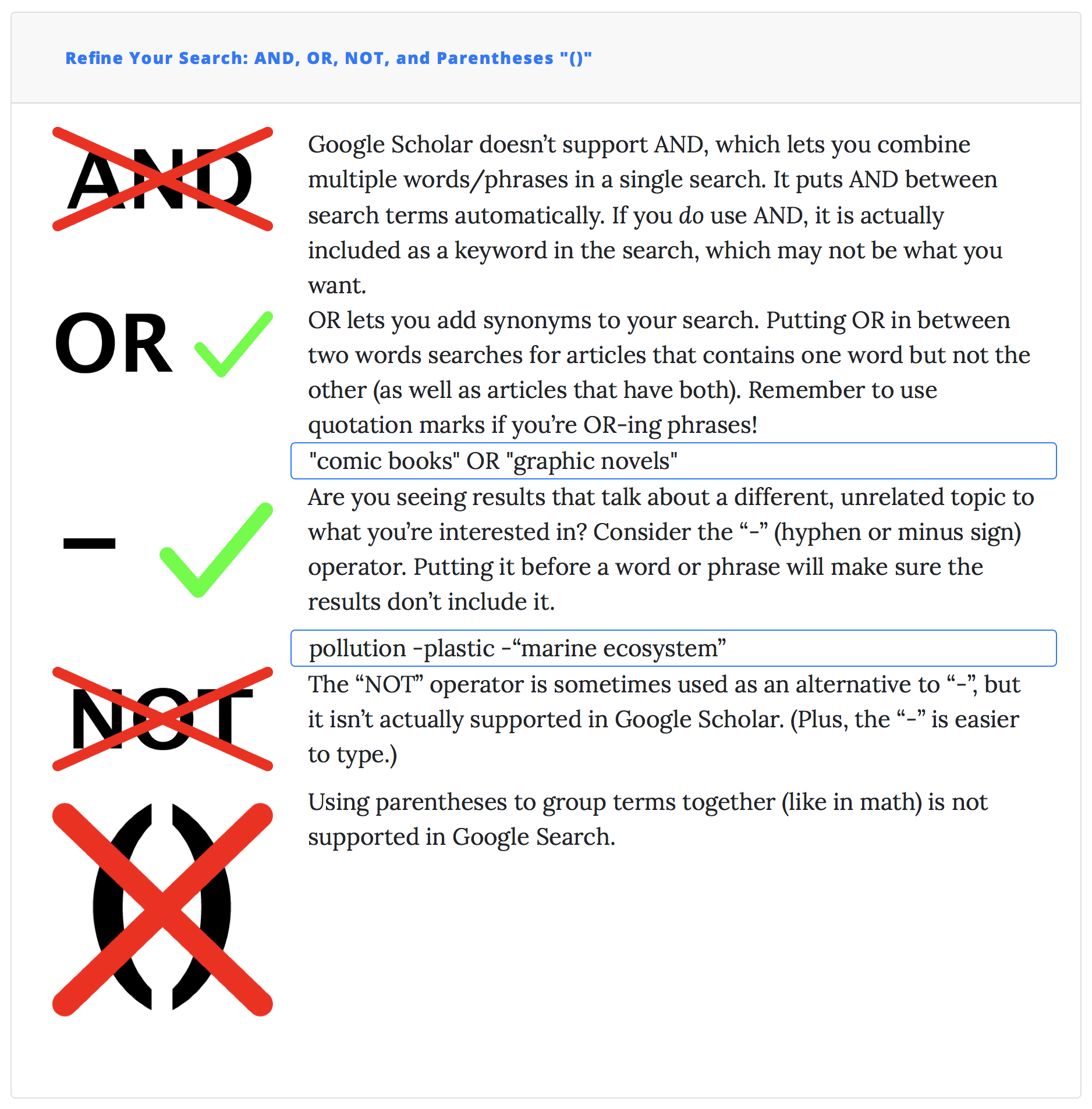
With its advanced search options, you can refine your results and find exactly what you’re looking for quickly and easily. To refine your search results, you can use keywords and Boolean operators (AND/OR/NOT) in the Google Scholar search bar. This will bring up a list of relevant results that can be further refined using filters such as date range or language.

(Source)
Advanced Search Options allow users to create complex searches with multiple criteria which enable them to get very specific about their research needs without having too many irrelevant hits cluttering up their results list. For example, if you are looking for papers written between two dates by an author with certain credentials then these options would help narrow down your query significantly compared with just typing words into the general search box alone.
Filter
Narrowing down your hunt for facts on a particular field is an essential measure when using Google Scholar. You can do this by selecting one or more filters from the left-hand side menu such as author name or publication year range. In addition, you can also sort through different types of sources including books, journals, and conference proceedings using Advanced Search Options located under More > Advanced Search Options tab on the main page of Google Scholar.
My Library and Alerts
For those who need even more control over their research process, there are additional features available within the My Library section where users can save documents they have found during their searches so they don’t have to look them up again later on. This is great for those doing ongoing work.
Additionally, the Alerts feature allows users to set notifications when new material appears online that matches their interests, meaning they never miss out on any potential findings related directly back to their original queries.
How do I find citations in Google Scholar? By utilizing the advanced search options effectively, understanding different citation formats, and knowing when to use other sources besides Google Scholar, you can ensure that your team is getting the most accurate information available.
Key Takeaway: Google Scholar is an invaluable tool for researchers, allowing them to quickly and easily find citations related to their topic of interest. By utilizing powerful search parameters such as filters and Boolean operators, users can refine their results to an unprecedented level of precision, streamlining the research process. Additionally, features like My Library and Alerts make it easier than ever before to stay on top of new findings that may be relevant to any given query.
Utilizing the Advanced Search Options Effectively
How do I find citations in Google Scholar? Using its advanced search options, Google Scholar can help researchers and innovators quickly locate relevant information by narrowing down the number of results returned. To maximize the utility of Google Scholar, it is essential to be familiar with its multiple functions and when other sources might be more suitable.
Google Scholar provides several different ways for users to filter their searches, including by author name, publication year, and subject area. This allows researchers to quickly narrow down their search results and focus on finding only those papers that are most relevant.
Additionally, users can also use Boolean operators such as “AND” or “OR” to combine multiple keywords into one query. For example, if a researcher wanted to find articles related to both “artificial intelligence” AND “machine learning” they could enter this exact phrase into the search bar instead of searching for each term separately.
When researching with Google Scholar, it is important to be aware that different citation formats may yield varying levels of detail and relevance depending on the research topic.
The two main types of citations used by Google Scholar are APA style (American Psychological Association) and MLA style (Modern Language Association). Both styles provide authors’ names along with article titles but APA includes additional details such as publisher names while MLA does not include any publisher information at all.
By utilizing the advanced search options, understanding the different citation formats, and knowing when to use other sources besides Google Scholar effectively, you can easily find citations in Google Scholar.
Key Takeaway: Google Scholar is a great tool for finding citations, offering advanced search options to narrow down results and two different citation formats – APA style and MLA style. By employing its advanced filtering abilities, users can easily locate the essential details they need without having to sift through extraneous material.
Keeping Track of Your Research with My Library and Alerts
Organizing and tracking one’s research can be an intimidating challenge, particularly when using Google Scholar. Fortunately, Google Scholar provides a range of functions to assist with the efficient organization and administration of research.
My Library is a great way to create a personalized library on Google Scholar that stores all the citations you need in one place. You can also set up alerts for new results related to your search queries so you never miss out on any relevant findings. Additionally, staying up-to-date with your research interests is easier than ever with Google Scholar’s advanced search options.
Creating a personalized library on Google Scholar allows you to store all the citations you need in one convenient place. To create your personalized library, simply go to “My Library” on Google Scholar and select “Create New Collection” from the dropdown menu.
From there, type in keywords related to what kind of citations or topics you want to be included in your collection and hit enter. It’s that easy. Once saved, these collections will appear under “My Library” whenever you log into Google Scholar so they are always accessible for quick reference or review anytime.
Setting up alerts for new research results ensures that no matter how busy life gets, important updates won’t slip through the cracks when conducting research via Google Scholar. All it takes is setting up notifications based on specific criteria such as keywords or authors. Just click “Alerts” from either within My Library or from anywhere else on the site and follow the instructions provided by Google scholar (which include selecting frequency).
With this feature enabled, users will receive emails whenever new content matching their criteria becomes available online. This helps keep them informed without having to constantly monitor every change manually.
Tracking your research with My Library and Alerts allows you to stay abreast of the most recent progressions in your discipline. Understanding how to use Google Scholar effectively is an essential skill for any researcher or innovator.
Stay informed about new developments in #R&D and innovation with Google Scholar’s My Library and Alerts. Find relevant citations quickly and properly cite references for original research or analysis. Click to Tweet
Conclusion
Google Scholar is a great resource for researchers and innovators to quickly find citations related to their work. How do I find citations in Google Scholar? By using the search tools, My Library feature, and alerts system provided by Google Scholar, users can easily keep track of relevant research materials that are necessary for successful R&D projects.
With its powerful search capabilities and easy-to-use features, you can efficiently locate pertinent information without wasting valuable time or resources.
Discover how Cypris can help you quickly and easily find citations in Google Scholar. Leverage our research platform to save time, reduce costs, and gain insights faster than ever before.
