
As an R&D platform and custom report service, search functionality for our users is key.
That's why we're thrilled to announce our platform's user experience and research capabilities just got better. Meet Quick Search, a new search bar that delivers information to our users faster than ever.
What's New with this Launch?
The previous search functionality allowed for search only by keywords. With Quick Search, users can now search by patent and research paper titles in addition to keywords.
What's the User Experience Like?
As you type in your search (keyword, patent, or research paper) you'll see a live tally of the data by category available for that search.
From there, you can click into individual data sections or build a report pulling from all available data streams.
0:00/1×
Have questions or comments? Feel free to reach out to us at info@ipcypris.com for more information.
Meet Quick Search, Our New Functionality



As an R&D platform and custom report service, search functionality for our users is key.
That's why we're thrilled to announce our platform's user experience and research capabilities just got better. Meet Quick Search, a new search bar that delivers information to our users faster than ever.
What's New with this Launch?
The previous search functionality allowed for search only by keywords. With Quick Search, users can now search by patent and research paper titles in addition to keywords.
What's the User Experience Like?
As you type in your search (keyword, patent, or research paper) you'll see a live tally of the data by category available for that search.
From there, you can click into individual data sections or build a report pulling from all available data streams.
0:00/1×
Have questions or comments? Feel free to reach out to us at info@ipcypris.com for more information.
Keep Reading

The evolution of technology has had a profound effect on how we innovate. But how are technology and innovation interrelated? How can organizations leverage both to create lasting value and achieve their goals?
By understanding technological innovations and the innovation process, businesses can unlock new growth opportunities. In this article, we will explore strategies for achieving the successful marriage of these two forces and discuss best practices for implementing innovative technologies in the workplace.
We’ll also look at ways to measure success when it comes to projects that involve tech-innovation collaboration. Let’s answer: how are technology and innovation interrelated?
Table of Contents
How Are Technology and Innovation Interrelated?
The Impact of Fostering Innovation on Technology
Strategies for Using Technology and Innovation
Investing in Research & Development (R&D)
Collaboration Between R&D Teams & Business Units
Utilizing Data Analytics Tools
Best Practices for Implementing Innovative Technologies in the Workplace
Developing an Effective Change Management Strategy
Training Employees on New Technologies
Encouraging Creativity and Risk-Taking
How Are Technology and Innovation Interrelated?
Technology has become an integral part of the innovation process. It is no longer just a tool, but rather a key component in driving innovation forward. By leveraging technology, businesses can create new products and services that are more efficient and cost-effective than ever before.
But how are technology and innovation interrelated? Let’s look at the different technological innovations as a result of this relationship.
Automation
Automation is one way to leverage technology for innovation. Automating processes such as data collection, analysis, and reporting allows companies to save time and money while also improving accuracy. This automation can be used to identify trends or patterns in customer behavior which can then be used to develop new products or services that better meet customer needs.
Faster Development Cycles
Another benefit of technology-driven innovation is the increased speed of development cycles. With the help of technologies such as artificial intelligence (AI) and machine learning (ML), companies can quickly prototype ideas without having to invest heavily in research and development costs upfront. This allows them to test out ideas faster so they can determine if it’s worth pursuing further or not before investing too many resources into it.
Quicker Scaling of Operations
Finally, technology enables businesses to scale their operations quickly. Through technology, businesses have access to larger markets with less overhead costs associated with traditional methods of marketing and sales channels such as physical stores or door-to-door salespeople.
For example, through online platforms like Amazon Web Services (AWS), companies have access to millions of potential customers at minimal cost compared to setting up physical stores around the world.
(Source)
The role of technology in innovation is clear: it enables faster, more efficient, and cost-effective progress. As such, understanding the impact of innovation on technology is critical for any business seeking to leverage new technologies and stay ahead of its competition.
Technology is driving innovation forward. Automation, AI & ML are enabling businesses to prototype ideas faster and scale operations quickly. #innovation #technology #automation Click to Tweet
The Impact of Fostering Innovation on Technology
The impact of innovation on technology is undeniable. Disruptive technologies have revolutionized the way businesses operate, and continue to do so as innovations are developed.
These disruptive technologies can be seen in many industries, from retail to healthcare. For example, Amazon’s use of artificial intelligence (AI) has allowed them to create an efficient online shopping experience that rivals traditional brick-and-mortar stores. Similarly, AI and machine learning have enabled healthcare providers to develop more accurate diagnoses and treatments for their patients.
Disruptive technologies not only make it easier for businesses to provide services but also help them become more competitive in their respective markets. By utilizing these innovative tools, companies can gain a competitive edge over their competitors by providing better customer service or faster delivery times. This allows them to increase market share while still maintaining profitability.
Innovations are constantly pushing the boundaries of technological advancement, introducing new ideas into existing products or services to improve upon current offerings or introduce entirely novel ones. Innovation and technology have a symbiotic relationship, with each driving the other to new heights.
Key Takeaway: Innovation and technology are inextricably linked. Disruptive technologies have revolutionized the way businesses operate, from retail to healthcare, providing more efficient services and competitive advantages over competitors. Innovations continue to push the boundaries of technological advancement by introducing new ideas into existing products or services.
Strategies for Using Technology and Innovation
Innovation and technology are two of the most important aspects of any business. How are technology and innovation interrelated? With their proper synthesis, businesses can experience increased success and growth.
To ensure successful interrelation between technology and innovation, companies must invest in research and development (R&D), establish effective collaboration between R&D teams and business units, and utilize data analytics to identify opportunities for improvement.
Investing in Research & Development (R&D)
Companies should prioritize investing in R&D initiatives that focus on developing new products or services that will provide a competitive advantage over their competitors. This investment should include resources such as personnel, equipment, materials, and time to create innovative solutions for customers’ needs.
Additionally, companies should strive to stay ahead of industry trends by regularly monitoring technological advancements within their sector so they can remain competitive in the market.
Collaboration Between R&D Teams & Business Units
Businesses need to foster strong relationships between their R&D teams and other departments within the organization. Creating an environment where ideas from both sides can be shared freely without fear of judgment or criticism will help generate innovative solutions faster.
Furthermore, having regular meetings with all stakeholders involved allows everyone to stay up-to-date on the progress being made. This also provides them with a platform to discuss potential issues before they arise which could save valuable time down the line when it comes time for implementation.
Utilizing Data Analytics Tools
Utilizing data analytics tools is becoming increasingly popular among organizations looking to gain insights into customer behavior patterns. It can also help identify areas where improvements need to be made internally within the company.
By leveraging this information strategically, companies can make informed decisions about how best to allocate resources toward achieving desired outcomes. Data analytics can provide valuable insight into potential issues that may arise in product design or process bottlenecks, allowing for proactive measures to be taken before they become a problem.
Overall, implementing strategies focused on fostering successful interrelation between technology and innovation is key for any business looking to achieve long-term success. Companies must take proactive steps towards investing in research and development initiatives, establishing effective collaborations amongst internal teams, and utilizing data analytics tools properly.
Key Takeaway: To successfully interrelate technology and innovation, businesses must invest in R&D, collaborate between teams, and use data analytics. This will help them stay competitive in their respective markets and achieve long-term success.
Best Practices for Implementing Innovative Technologies in the Workplace
Implementing innovative technologies in the workplace can be a daunting task. It requires careful planning and execution to ensure success. Here are some best practices for making sure your project is successful:
Developing an Effective Change Management Strategy
When introducing new technologies, it’s important to have a plan in place that will help employees transition smoothly. This includes setting clear expectations, providing training on how to use the technology, and creating incentives for adoption.
Additionally, having a communication strategy that keeps everyone informed about progress is essential for the successful implementation of new technologies.
Training Employees on New Technologies
To get the most out of any new technology, employees need to understand how it works and what its capabilities are. Investing in comprehensive training programs can help ensure that everyone knows how to use the technology effectively and efficiently.
Training should include both classroom instruction as well as hands-on practice with the actual tools being used so they become comfortable with them quickly.
Encouraging Creativity and Risk-Taking
Innovation often comes from taking risks or trying something different than what has been done before. This isn’t always easy when there’s a fear of failure or punishment if things don’t go according to plan. Creating an environment where creativity is encouraged and mistakes are seen as learning opportunities helps foster innovation within teams working on technological projects.
By following these best practices for implementing innovative technologies in the workplace, you can set yourself up for success when launching any type of tech-driven initiative or project. With careful planning and execution, you can ensure that your technology-innovation project is successful and yields positive results.
Key Takeaway: Key takeaway: To ensure success when implementing innovative technologies in the workplace, it’s important to have a change management strategy, train employees on new technologies and create an environment that encourages creativity and risk-taking.
Conclusion
How are technology and innovation interrelated? Technology and innovation are key components of any successful R&D or innovation team. By understanding the role of technology in innovation, and the impact of innovation on technology, teams can ensure they are maximizing their potential when it comes to technological advancements.
With a comprehensive approach to leveraging these two forces together, organizations can achieve greater levels of efficiency and effectiveness in their operations.
Are you an R&D or innovation team looking to gain insights faster? Look no further than Cypris – the research platform designed specifically for your needs.
We provide access to all of the data sources necessary in one central location, helping teams quickly and easily get the insights they need. With our cutting-edge technology and innovative solutions, we are here to help accelerate your time-to-insight process! Join us today on this journey toward a more interconnected future.

Innovation is a difficult endeavor, one that requires strategic planning and resources to achieve success. But how can you make innovation a little bit easier? With the right tools and strategies in place, it’s possible to create an environment conducive to fostering creativity while streamlining processes.
In this article, we tackle how to streamline the research process and how to start a technology-enhanced collaboration. These are things that can make the innovation process more efficient. So let’s answer together: how can you make innovation a little bit easier?
Table of Contents
How Can You Make Innovation a Little Bit Easier?
Use Technology For Collaboration
Streamline Your Research Process
Consolidating Multiple Data Sources
Leverage Technology to Enhance Collaboration
Develop an Agile Innovation Strategy
Benefits of an Agile Innovation Strategy
How to Implement an Agile Innovation Strategy
How Can You Make Innovation a Little Bit Easier?
Innovation is a difficult process, but it doesn’t have to be. With the right tools and strategies, teams can make innovation easier and more efficient. Here are some tips for streamlining the research process, using technology for collaboration, and developing agile processes.
Streamline Research Processes
Research is an essential part of any innovation project. But it can take up a lot of time if not done efficiently. To streamline your research process, start by setting clear goals and objectives for what you want to achieve with your research.
Then create a timeline that outlines when each step should be completed by so everyone on the team knows what needs to be done and when it needs to be done.
Finally, use data-driven insights from past projects or experiments as well as market trends or customer feedback to inform your decisions throughout the research process. This will help ensure that you’re making informed decisions quickly instead of relying solely on guesswork or intuition.
Use Technology For Collaboration
Collaboration is key to any successful innovation project. However, coordinating multiple people across different locations can often feel like herding cats!
To make things easier (and faster!), leverage technology such as cloud-based collaboration platforms or video conferencing software so everyone involved in the project has access to real-time updates no matter where they are located geographically.
This will also help keep communication lines open between all stakeholders so there’s less room for miscommunication.
Develop Agile Processes
Agile processes involve breaking down large projects into smaller chunks that can then be tackled one at a time over shorter periods rather than trying to tackle everything all at once.
Breaking things down into smaller pieces with specific timelines attached makes sure that everyone stays focused on achieving measurable results. Your team also avoids getting overwhelmed by too much work all at once. Plus you get tangible results faster which helps build momentum toward completing larger projects quicker overall
All of this should result in an environment conducive to fostering creative thinking and problem-solving skills among team members. This gives them enough flexibility within their roles so they do not feel overwhelmed by pressure or expectations. This leads to maximum efficiency and increased productivity levels across the organization.
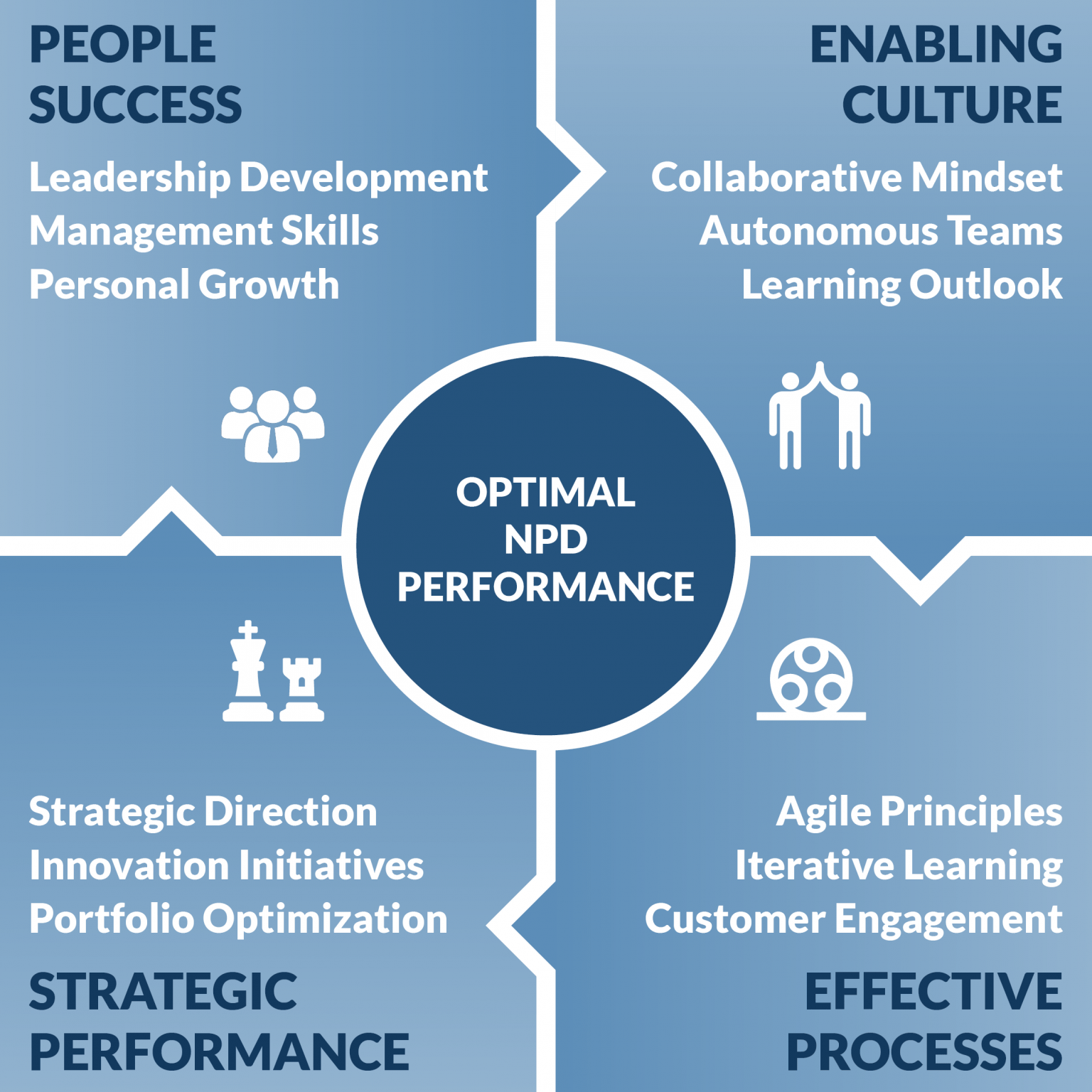
(Source)
Streamline Your Research Process
How can you make innovation a little bit easier? One step is to streamline your research process.
Research is one of the first things to be done in any innovation process. Making your research less time-consuming and more efficient means easier innovation.
Automated Data Collection
Data collection is a critical part of any research process, but it can be time-consuming and tedious. Certain tools help streamline the data collection process by automating it.
With automated data collection, teams can quickly gather the information they need without having to manually enter each piece of data. This saves time and ensures accuracy in the results.
Consolidating Multiple Data Sources
Consolidating multiple data sources into one platform also makes research more efficient. By consolidating data sources, teams have access to all their relevant information in one place instead of having to search through multiple databases or spreadsheets for what they need.
This eliminates wasted time spent searching for specific pieces of information and allows researchers to focus on analyzing their findings instead.
By streamlining your research process, you can make your innovation process a little bit easier and more efficient.
Key Takeaway: Streamlining data collection, consolidating multiple data sources into one platform, and creating a centralized repository for secure storage makes innovative projects easier. This saves time and ensures accuracy in research results.
Leverage Technology to Enhance Collaboration
How can you make innovation a little bit easier? In the fast-paced world of research and development, collaboration is key to success. Technology can be used to enhance this process, allowing teams to work together more efficiently and effectively.
Cloud-based Solutions
Cloud-based solutions are a great way for teams to share data and resources quickly and securely. With cloud-based solutions, all members of the team have access to the same information at any time from anywhere in the world.
This allows them to collaborate on projects without having to wait for someone else’s input or approval before making decisions or taking action.
Real-time Communication Tools
Real-time communication tools also help foster collaboration between teams by enabling them to communicate instantly with each other regardless of their physical location. These tools allow team members who may not be able to meet face-to-face due to geographical distance or scheduling conflicts still stay connected while working on projects together in real time.
Popular examples include video conferencing software such as Zoom, Slack messaging services, and project management platforms like Trello.
By leveraging technology to enhance collaboration, teams can more effectively identify potential opportunities and challenges to develop an agile innovation strategy that will ensure success.
Key Takeaway: Innovative projects can be made easier with cloud-based solutions and real-time communication tools, such as Zoom, Slack, and Trello. These enable teams to share data quickly and securely while staying connected for collaboration regardless of physical location.
Develop an Agile Innovation Strategy
How can you make innovation a little bit easier? Innovation is a key component of success in any industry. To stay ahead of the competition, organizations must have an agile innovation strategy that allows them to quickly identify and capitalize on new opportunities.
What Is Agile Innovation?
Agile innovation is a process for rapidly creating innovative products or services by leveraging existing resources and technology. It involves breaking down complex problems into smaller, more manageable pieces that can be solved iteratively over time.
The goal of agile innovation is to reduce risk while still allowing for experimentation and exploration of new ideas.
Benefits of an Agile Innovation Strategy
An agile innovation strategy provides several benefits to organizations looking to innovate quickly and efficiently.
By breaking down large projects into smaller tasks, teams can focus their efforts on specific areas at any given time. Having an agile approach allows teams to pivot quickly if something isn’t working as expected.
Finally, this type of strategy encourages collaboration between team members who may not normally work together. It helps foster creativity among employees as well as build stronger relationships within the organization overall.
How to Implement an Agile Innovation Strategy
Implementing an effective agile innovation strategy requires careful planning and execution from start to finish. However, some basic steps should always be taken when beginning such a project:
- Identify Your Goals – Before you begin developing your plan, you need to determine what exactly you want out of your initiative so everyone involved knows what they are working towards achieving in the end. Otherwise, things could get confusing very easily during the implementation phase later on down the line if expectations aren’t clearly defined.
- Gather Your Team – Once goals have been established then it’s important to bring together the right people who will help carry out the plan effectively. This means finding those individuals both inside and outside the organization depending upon the situation requirements being addressed.
- Develop a Plan of Action – After assembling the team comes the actual development plan of the action itself. Details of each step are broken down further to create a timeline and objectives. This ensures deadlines are met appropriately throughout the entire process until the final product is achieved.
- Monitor Progress and Adjust As Needed – Monitor progress made regularly and adjust accordingly. Keep track of successes and failures encountered to ensure staying the course with original goals and avoid getting sidetracked.
By leveraging agile innovation strategies, teams can quickly identify opportunities and challenges to build innovative solutions. This will foster a culture of experimentation that encourages risk-taking and open communication to generate new ideas.
Key Takeaway: An agile innovation strategy requires teams to set measurable goals, identify potential opportunities and challenges, and utilize iterative development practices to ensure successful outcomes.
Conclusion
How can you make innovation a little bit easier? Innovation is a complex process that requires dedication, creativity, and hard work. With the right tools and strategies in place, however, it can be made easier.
By streamlining your research process, leveraging technology to enhance collaboration, and developing an agile innovation strategy, you can foster innovation more efficiently.
Through these steps, you will create an environment where ideas are welcomed and encouraged while also ensuring that those ideas are properly evaluated for their potential impact on your business objectives.
If you are part of an R&D or innovation team, Cypris can make the process of developing and launching new products faster and easier. Our platform centralizes data sources to provide teams with rapid time-to-insights so that they can stay ahead in their respective industries.
With our cutting-edge tools, teams can quickly develop innovative solutions for a competitive advantage. Join us today and see how we help your team unlock its true potential!

Innovation and creativity are often seen as two sides of the same coin, but does innovation start with creativity? This is a question that has been asked for centuries by entrepreneurs, inventors, and innovators alike. Creativity can be thought of as an essential building block in creating something new or different – it provides the spark to turn ideas into reality.
In this blog post, we will explore what exactly innovation is and how innovation requires creativity; discuss tools and techniques for encouraging both; delve into why measuring impact matters; before ultimately answering whether innovation starts with creativity. So join us on our journey through exploration as we discover if indeed – does innovation start with creativity.
Table of Contents
Characteristics of Creative Thinking
Does Innovation Start with Creativity?
Tools and Techniques for Encouraging Creativity and Innovation
Measuring the Impact of Creativity on Innovation Outcomes
What is Innovation?
Innovation is defined as the process of developing ideas, products, services, processes, or systems that are novel and useful. It involves taking risks with new concepts in order to create value for customers and organizations alike.
Types of Innovation
There are various forms of innovation, including incremental innovation which focuses on gradual alterations over time; disruptive innovation which brings about radical changes to the market; open innovation which encourages cooperation between different entities; and frugal innovation which seeks cost-efficient solutions for low-income markets.
Innovation is the process of turning creative ideas into tangible solutions that can benefit society, and it starts with creativity. Understanding how to foster creativity and utilize it effectively is essential for successful innovation.
Innovation begins with creativity. It’s the process of developing ideas, products, services, processes, or systems that are novel and useful. #innovation #creativity #R&D Click to Tweet
What is Creativity?
Creativity is defined as the process of generating novel and useful ideas or products that are based on existing knowledge or experience. It involves using imagination and ingenuity to come up with something original or unexpected.
Characteristics of Creative Thinking
Creative thinkers possess certain traits such as curiosity, open-mindedness, flexibility, risk-taking, persistence, divergent thinking skills (the ability to think about multiple possibilities), and an appreciation for ambiguity. They also have strong communication skills which allow them to express their ideas effectively.
Creativity is a powerful tool that can unlock new possibilities and lead to innovative solutions. By understanding the role of creative thinking in the innovation process, teams can develop more effective strategies for driving successful outcomes.
Does Innovation Start with Creativity?
Creativity is a powerful tool for innovation. It can help us to think outside the box and come up with new ideas that could lead to groundbreaking solutions.
Creative thinking involves looking at problems from different angles, questioning assumptions, and exploring possibilities. This type of thinking encourages us to consider alternative perspectives and come up with innovative solutions that may not have been considered before.
The role of creative thinking in the innovation process is essential as it helps teams explore new ideas and develop strategies for implementation. Creative thinkers are able to look beyond existing solutions and generate novel approaches that can be used to solve complex problems or create opportunities for growth. They also bring fresh perspectives which can open up avenues of exploration that would otherwise remain unexplored.
Examples of creative thinking leading to innovative solutions include Apple’s introduction of the iPod, Tesla’s development of electric cars, Google’s utilization of artificial intelligence in its search engine algorithms, Amazon’s adoption of cloud computing technology, and Uber’s implementation of ride-sharing services. All these companies were able to identify a potential opportunity through their imaginative problem-solving capabilities which enabled them to create groundbreaking products or services that have drastically altered how people interact with technology today.
Despite the potential benefits, employing creative thinking techniques to innovate can present some challenges. These include managing stakeholder resistance to unconventional solutions; ensuring resources are used efficiently while exploring multiple ideas; fostering equal contribution from all team members during brainstorming sessions; maintaining a focus on core objectives when generating new concepts; and keeping everyone engaged throughout the creative process even if results are not yet visible.
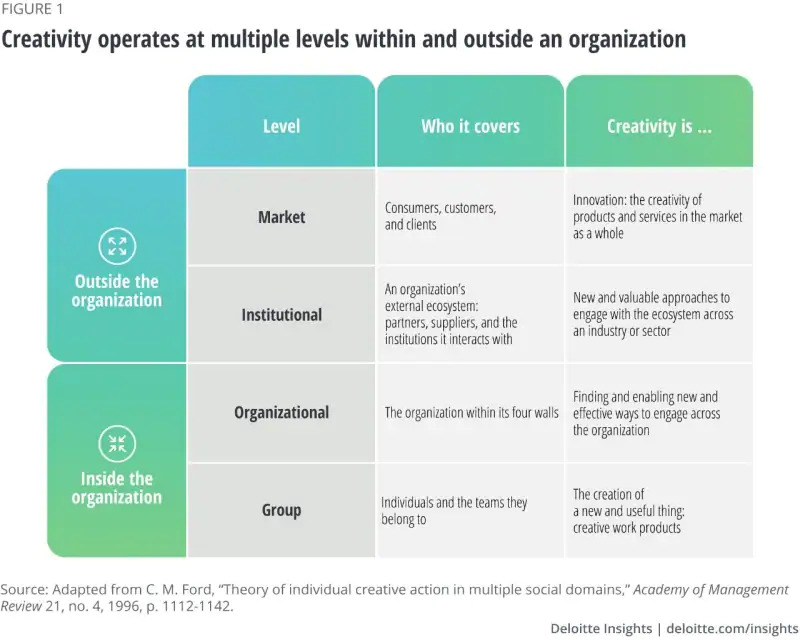
(Source)
Tools and Techniques for Encouraging Creativity and Innovation
Creativity and innovation are essential for success in today’s competitive business environment. To develop creativity and foster innovative thinking, teams must have the right tools and techniques at their disposal. Brainstorming is one of the most popular methods used to generate ideas, as it allows team members to think freely without fear of judgment or criticism.
Design thinking strategies can be employed to develop creative solutions that address customer needs while also meeting organizational goals. Collaboration tools such as online whiteboards or video conferencing software enable teams to work together remotely while still maintaining a high level of engagement and productivity.
Brainstorming is a key tool for generating ideas, as it encourages participants to express their thoughts freely without fear of judgment or criticism. To ensure that all team members have an equal opportunity to contribute, it is important to create a comfortable environment where everyone feels safe and respected.
Mind mapping, reverse brainstorming, and SCAMPER are some useful techniques that can be employed during brainstorming sessions. Mind mapping involves creating visual diagrams based on a central idea; reverse brainstorming focuses on finding solutions rather than identifying problems; and SCAMPER helps identify ways in which existing products or services can be improved upon or adapted for different purposes.
By leveraging the right tools and techniques, creativity can be effectively encouraged to build innovation. By measuring the impact of creativity on innovation outcomes, teams can gain valuable insights into how best to leverage creative thinking for successful business performance.
Measuring the Impact of Creativity on Innovation Outcomes
Metrics for Evaluating the Impact of Creative Thinking on Innovative Solutions: There are several metrics available to evaluate the effectiveness of creative thinking in driving innovative solutions. These include customer satisfaction scores, market share growth, and sales revenue increases. Additionally, qualitative measures such as user feedback or surveys can provide valuable insights into how customers perceive a product or service created through creative problem-solving techniques.
Analyzing the Relationship Between Creativity and Business Performance: To understand the relationship between creativity and business performance more clearly, it’s important to analyze data related to both areas over time. This will help identify any correlations between creative approaches taken by teams and their resulting success in terms of profitability or other key performance indicators (KPIs). By tracking this data regularly, companies can gain valuable insight into which strategies work best for them when it comes to developing innovative products or services.
Key Takeaway: Creativity is a vital component to build innovation and can be evaluated through customer satisfaction scores, market share growth, sales revenue increases, and user feedback. Companies should analyze data related to creativity and business performance over time in order to identify the strategies that work best for them when it comes to developing innovative products or services.
Conclusion
Does innovation start with creativity? Yes, it is clear that creativity and innovation are closely intertwined. Creativity provides the spark of inspiration for new ideas, while innovation turns those ideas into tangible results.
While there is no single formula for success when it comes to fostering creativity and innovation, understanding how these two concepts interact can help teams develop effective strategies to drive their research and development efforts forward.
By leveraging tools such as brainstorming sessions, creative problem-solving techniques, and data analysis to measure progress, teams can ensure that their efforts to develop creativity will lead to successful innovations in the long run. Ultimately, does innovation start with creativity? The answer is a resounding yes.
Are you an R&D or innovation team looking to increase the speed of your research and development processes? Are you seeking a platform that centralizes all data sources into one place, allowing for quicker insights and more efficient decision-making? Look no further than Cypris.
Our comprehensive research platform is designed specifically for teams like yours, helping to inspire creativity through rapid time-to-insight solutions. Let us help spark innovation within your organization – sign up now!