Are Marketing Research Costs Included in R&D?


The success of any product or service lies in the research and development that goes into it. But what about marketing research? Are marketing research costs included in R&D budgets?
The answer is not so simple as there are multiple factors at play when it comes to deciding how much should be allocated towards each type of project. In this blog post, we’ll explore what exactly R&D and marketing research are, how are they related to one another, and how are marketing research costs included in R&D.
Table of Contents
Benefits of Marketing Research
How is Marketing Research Related to R&D?
Are Marketing Research Costs Included in R&D?
Strategies for Optimizing R&D and Marketing Research Projects
FAQs About “Are Marketing Research Costs Included in R&D?”
What costs are included in R&D?
What type of expense is market research?
What is R&D?
Research and Development (R&D) is a process of creating new products, services, or processes. It involves the systematic investigation into existing technologies and theories to create something that has never been seen before. This can include researching materials, developing prototypes, testing designs, analyzing data from experiments and surveys, as well as refining existing products or services.
There are two main types of research and development: basic research and applied research.
Basic research focuses on understanding the fundamentals behind a particular concept or phenomenon while applied research takes this knowledge to develop practical applications for it in real-world scenarios.
There is also what we call exploratory research which looks at potential solutions without any specific goal in mind.
Experimental research tests out different approaches to solving a problem.
Product design and engineering create physical objects while software engineering develops computer programs.
Market intelligence gathering collects information about competitors’ activities in order to gain an edge over them, and marketing analysis studies customer behavior patterns.
R&D is a critical component of innovation and growth, as it enables teams to explore new ideas, test theories, and create new products. By understanding the types of R&D available, organizations can ensure they are making informed decisions on their research investments.
Now let’s look at marketing research costs in relation to R&D.
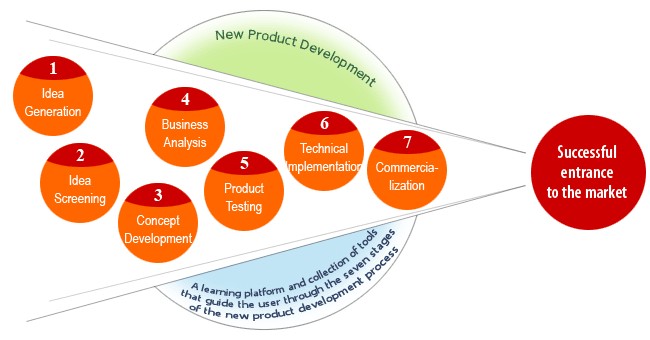
(Source)
What is Marketing Research?
Marketing research is the systematic gathering, recording, and analysis of qualitative and quantitative data about customers, markets, and competitors. It helps businesses to understand what their target market wants and needs from them. This information will guide them when making decisions about product development, pricing strategies, promotional activities, and customer service initiatives.
Types of Marketing Research
There are several types of marketing research that can be used, depending on the type of information needed.
- Primary research (interviews with potential customers).
- Secondary research (analysis of existing data sources such as industry reports or surveys).
- Observational studies (observing how people interact with products or services).
- Focus groups (gathering a group together to discuss a particular topic).
- Experimental studies (testing different versions of a product).
Each type has its own advantages and disadvantages which should be considered when selecting the best approach for your business.
Benefits of Marketing Research
The advantages of engaging in marketing research activities are plentiful. First, it provides businesses with a better understanding of their target market’s preferences, allowing them to tailor their offerings accordingly.
Additionally, it gives an insight into competitive activity so companies can create strategies for staying ahead.
Finally, it enables businesses to recognize potential growth opportunities within new markets or segments, leading to improved decision-making capabilities and thus long-term success for any organization.
Marketing research is a vital tool for R&D and innovation teams to understand their customers, market trends, and competition. With the right data in hand, teams can make informed decisions that drive success.
R&D teams, don’t forget to include marketing research costs in your budget! It’s the key to unlocking insights and staying ahead of the competition. #MarketingResearch #Innovation Click To Tweet
How is Marketing Research Related to R&D?
R&D and marketing research are two distinct fields, but they share some similarities. Both involve gathering data to inform decisions, though the types of data collected differ.
R&D typically focuses on technological advances while marketing research looks at consumer preferences and trends.
Similarities between R&D and marketing research include:
- Gathering data – both involve collecting information from various sources.
- Analyzing results – both require analysis of the gathered data in order to draw conclusions.
- Making decisions – both use the analyzed results to determine a course of action or strategy for their respective fields.
Differences between R&D and marketing research include:
- Focus – R&D tends to focus on developing new technologies or improving existing ones, while marketing research looks at consumer behavior.
- Data collection methods – R&D often relies on laboratory experiments or surveys while marketing research utilizes more qualitative methods such as interviews or focus groups.
- Results – The results obtained from each type of research can be used for different purposes. For example, the findings from an R&D project may be used by engineers to develop a new product whereas those from a market research study could help guide a company’s advertising campaigns.
Businesses often use market research and consumer research to gain insights into their target audience. While there are differences between these two disciplines, they can also complement one another when it comes to making important business decisions.
Key Takeaway: R&D and marketing research are both essential to the success of a business but have distinct differences in terms of their goals and objectives. By understanding these distinctions, teams can make better decisions about which strategies to pursue to get maximum results.
Are Marketing Research Costs Included in R&D?
When it comes to determining if costs associated with marketing research should be included in R&D expenses, there are several factors to consider.
The first factor is the purpose of the research project. If the primary goal of the project is to develop new products or processes, then it would likely qualify as an R&D expense and could be included in R&D expenses.
On the other hand, if the primary goal of the project is market analysis or customer feedback, then it would likely not qualify as an R&D expense and should not be included in R&D expenses.
Another factor to consider is how closely related they are to product development efforts. If there is a direct connection between a particular marketing research activity and product development efforts (e.g., researching customer preferences for features on a new product), then those costs may qualify as an R&D expense.
However, if there isn’t any direct connection between a particular marketing research activity and product development efforts (e.g., researching general trends within an industry), then those costs may not qualify as an R&D expense.
Finally, another factor that must also be taken into consideration is how much value will actually result from conducting such activities. For example, if conducting a market analysis can lead to potential opportunities for developing new products or services, then those costs may be considered part of your R&D budget.
Strategies for Optimizing R&D and Marketing Research Projects
One of the most effective ways to reduce costs while maintaining quality results is automation.
Automation can help streamline processes, reduce manual labor, and improve accuracy. Additionally, it can help with data collection and analysis, which can save time and money.
Other cost-saving strategies include outsourcing tasks that are not core competencies or require specialized skillsets, using open source tools, and utilizing cloud computing services such as Amazon Web Services (AWS) or Microsoft Azure.
To maximize the benefit from both projects, teams should focus on setting clear objectives upfront so they know what success looks like before beginning any work.
Leveraging existing data sources within an organization will enable teams to quickly gain insights without having to start from scratch.
Employing agile methodologies throughout each project’s lifecycle will allow teams to adjust their approach based on feedback to ensure maximum impact upon the completion of each project.
Involving stakeholders early on in both R&D and marketing research projects helps ensure alignment between all parties involved, which leads to better decision-making.
Conclusion
Are marketing research costs included in R&D?
It is important to understand the relationship between R&D and marketing research in order to optimize the cost-benefit ratio for both projects. While there are no hard and fast rules about whether or not marketing research costs should be included in R&D budgets, understanding how these two areas of business interact can help teams make informed decisions that will benefit their bottom line.
Are you an R&D or innovation team looking to gain rapid insights and maximize your budget? Look no further than Cypris! Our platform is designed specifically for teams like yours, centralizing data sources into one easy-to-use interface.
Cut down on research costs while getting the most out of marketing research with our innovative solutions that provide results quickly – start now and see how much time and money you can save.
.png)