Can Innovation Be Taught? Fostering Innovation in Your Team


Innovation can be a driver of development, a generator of fresh openings, and a stimulant of imagination. But the question remains: can innovation be taught? Learning how to foster innovation to make significant progress, create new opportunities, and spark creativity is worth considering.
By understanding what makes up an innovative mindset and utilizing tools and techniques for teaching innovation, we can begin to uncover whether or not this skill set can truly be learned. In this article, we answer: can innovation be taught?
Table of Contents
Tools and Techniques for Teaching Innovation
Challenges to Teaching Innovation in the Workplace
What Is Innovation?
Innovation involves generating novel solutions, goods, services, or techniques that are of value. Innovation can be a transformative power in any field and has become indispensable for numerous organizations’ success. Innovation requires critical thinking, creative problem-solving skills, and a willingness to take risks.
Innovation involves introducing something novel or different into the marketplace with the intention of improving upon existing solutions or filling an unmet need. Innovation can be classified as incremental (refining existing products/services), radical (creating new ones), or transformational (developing fresh markets).
Can innovation be taught? Organizations can remain competitive by staying abreast of emerging trends and technologies while also preparing for future challenges through the numerous benefits of fostering innovation.
With proper training programs in place, natural talent can be identified earlier. Online courses make education more accessible than ever before. Life-long learning helps people stay ahead in their careers.
Creative problem-solving skills are encouraged among students leading to better educational outcomes. Professional development assists employees in increasing their skill sets quickly. Embracing innovation can be an effective strategy for businesses to outpace their rivals.
Educating innovatively is not a straightforward endeavor. There are resources accessible that can assist educators in achieving this. Design thinking processes and methodologies provide structure around how problems should be approached. Ideation techniques and exercises encourage students to think outside the box when coming up with solutions.
Problem-solving strategies and frameworks offer guidance on how best to tackle complex issues as well as provide frameworks within which learners can practice their skillset safely without fear of failure – a key ingredient for successful innovators.
Key Takeaway: Innovation is a key ingredient for success, and teaching it can be done through the use of design thinking processes, ideation techniques, and problem-solving strategies. By providing learners with frameworks to practice their skills safely without fear of failure, organizations can remain competitive in today’s market.
Can Innovation Be Taught?
Can innovation be taught? Yes, but it necessitates comprehension of the core elements that lead to an effective result. In teaching innovation, it is important to lay the groundwork for problem-solving and analytical skills.
Learning how to identify opportunities, develop solutions, and implement them is essential for innovators. Experience also plays an important part in teaching innovation by providing real-world examples of success and failure which helps shape ideas into reality. Mentorship is another vital element in teaching innovation as it guides experienced professionals who have been through similar situations before.
Education provides the necessary foundation for teaching innovation, with certain processes and methodologies such as design thinking or ideation techniques like brainstorming exercises, and problem-solving strategies using frameworks to break down complex problems into smaller pieces. These tools are essential building blocks for coming up with inventive solutions to tough challenges faced by R&D teams. Utilizing these methods in conjunction with experience and mentorship can help foster innovative thinking that leads to successful outcomes.
Careful consideration must be taken when attempting to teach innovation, as there are still some major challenges that can hinder success. These include:
- A lack of resources or support from stakeholders can limit time and budget constraints.
- A dearth of understanding about what constitutes good practice.
- Simply not having enough know-how within the team itself to draw upon when concocting new ideas.
Overall, while there are many obstacles standing in the way of how to successfully foster innovation, investing in innovative education programs can yield great rewards both personally and professionally for those involved with R&D teams looking for fresh perspectives on their projects. Whether they’re commercialization engineers/teams working on product development initiatives or senior directors and VPs leading research and development efforts within their organizations, making sure everyone has access to these types of educational opportunities should be considered a top priority.
In the end, different strategies and approaches can be used to instruct creativity. By utilizing these methods, R&D and Innovation teams are better equipped to foster a culture of creativity within their organizations.
Key Takeaway: Can innovation be taught? Innovation can be developed, yet it requires a commitment to education and experience for one to reap its full benefits. Mentorship is also a key component when teaching innovation as it guides experienced professionals who have been through similar situations before. With these pieces in place, R&D teams will be able to gain fresh perspectives on their projects for successful outcomes.
Tools and Techniques for Teaching Innovation
Can innovation be taught? Imparting the ability to innovate is essential for equipping the next generation of professionals with a key ingredient of success.
Design thinking processes and methodologies provide an excellent foundation for learning how to innovate, while ideation techniques and exercises help build creative problem-solving skills. Problem-solving strategies and frameworks can be used to identify potential solutions to problems or challenges that may arise during the innovation process.
Design Thinking
Design thinking focuses on understanding user needs to develop innovative solutions. It involves researching customer behavior, exploring ideas through brainstorming sessions, prototyping concepts quickly, testing with customers in real-world settings, iterating designs based on feedback from users and finally launching products into the market.
This method prompts teams to explore creative possibilities when formulating fresh concepts, prompting them not only to contemplate existing user requirements but also potential ones.
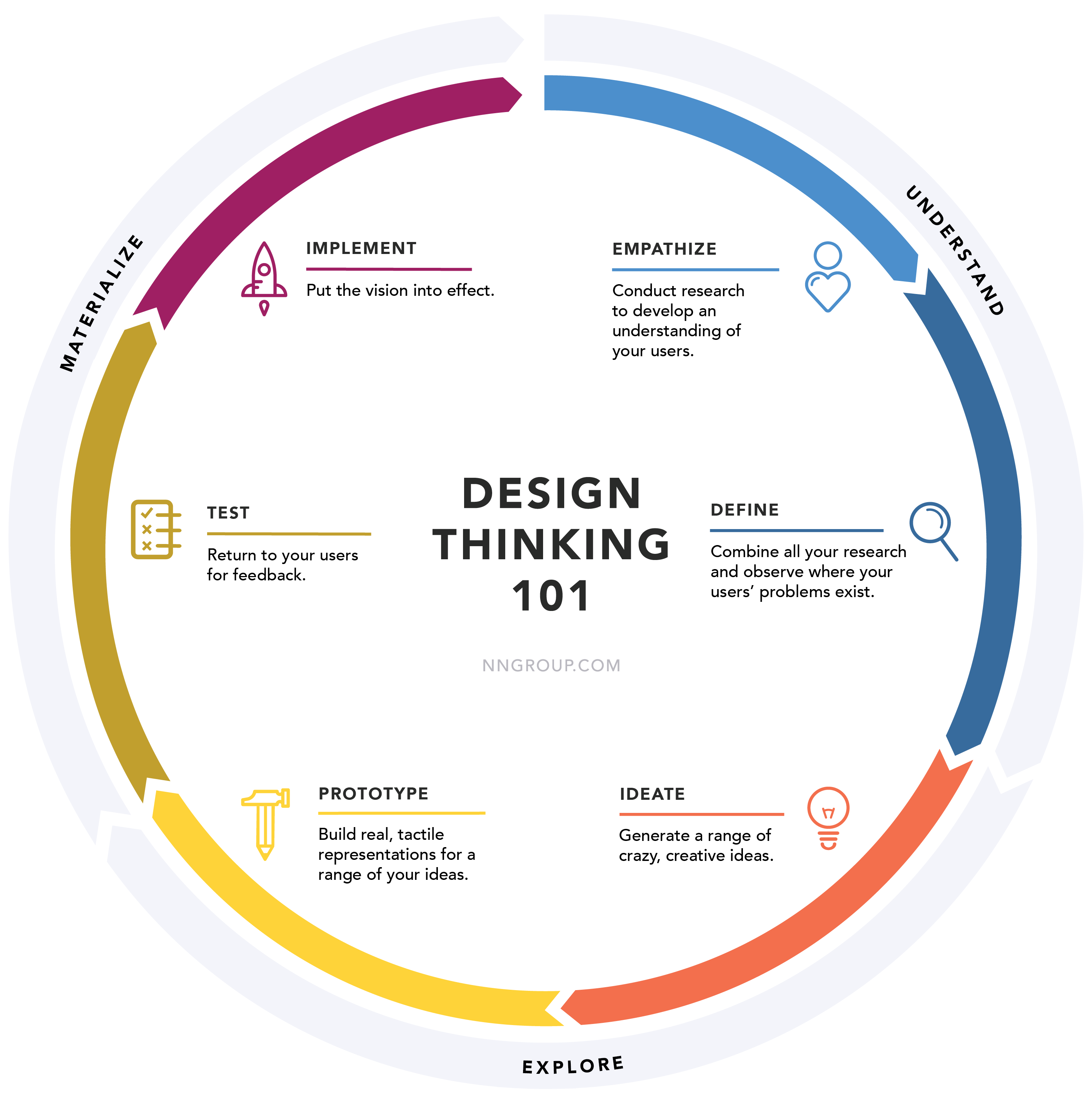
(Source)
Problem-solving Frameworks
Problem-solving frameworks are another important tool for teaching innovation. These frameworks provide a structured way of approaching problems by breaking them down into smaller components and then finding solutions for each component separately.
For example, using the Six Thinking Hats technique encourages students to consider different perspectives when tackling a problem—such as looking at it from an emotional or analytical point of view—and can help them come up with more innovative solutions than they would have otherwise thought of.
Another useful tool for teaching innovation is role-playing activities that simulate real-world scenarios in which teams must work together to solve problems quickly and efficiently.
By putting themselves in someone else’s shoes, students gain valuable insights into how others think about problems differently than they do—which can lead to more creative solutions overall.
Additionally, these types of activities foster collaboration among team members while also helping build confidence in their abilities to tackle difficult challenges head-on without fear or hesitation.
Encouraging Experimentation
Finally, encouraging experimentation through hands-on projects can be an effective way to teach innovation because it allows students to explore new concepts without worrying about making mistakes along the way. This is a key element of successful innovators who “fail fast” to learn quickly from their experiences and move forward with better ideas next time around.
Giving feedback throughout this innovation process also helps reinforce good practices while allowing room for improvement so that everyone involved feels like they are contributing something meaningful towards achieving success together as a team
By leveraging the right tools and techniques, teaching innovation can be made more accessible to teams of all sizes. However, various difficulties must be addressed to guarantee the successful adoption of inventive approaches.
Key Takeaway: Educators need to cultivate innovation for success, which can be accomplished by employing design-focused strategies, brainstorming activities, problem-solving approaches, and other resources. By leveraging these methods while keeping creativity, collaboration, and critical thinking at the forefront, we can give our next-generation professionals a head start on becoming innovative thinkers.
Challenges to Teaching Innovation in the Workplace
Can innovation be taught? One of the biggest challenges to teaching innovation in the workplace is getting employees to think outside the box. It can be difficult for people who are used to doing things a certain way or have been trained in specific processes, to break away from those habits and try something new.
This can be especially true when it comes to introducing new technology or software into an organization. Employees may not understand how it works or why they should use it, leading them to resist change and stick with what they know.
Another challenge is encouraging creativity among team members. Innovation requires creative thinking and problem-solving skills that some employees may lack due to their training or experience level.
Leaders must find ways to foster creativity by providing resources such as brainstorming sessions, workshops on design thinking, and other activities that promote out-of-the-box thinking within their teams.
A third challenge is managing expectations around innovation initiatives.
Organizations often have high hopes for these projects but don’t always provide enough guidance or support for them to succeed, This can lead employees to feel overwhelmed and discouraged if they don’t see results quickly enough.
To ensure success, leaders need to set realistic goals while also providing adequate resources so that teams have everything they need at their disposal to reach those objectives efficiently and effectively.
Finally, staying up-to-date with industry trends is essential for any successful innovation initiative. However, this can be a daunting task given the ever-changing nature of technology today!
Companies must invest time into researching current trends to stay ahead of competitors while also keeping their teams informed about emerging technologies so that everyone has access to up-to-date information needed for successful projects down the line.
Key Takeaway: Teaching something new can be difficult, but with the right resources and aid it is achievable. Educators must first understand what innovation is before creating a comprehensive learning management system that encourages collaboration among peers and promotes experimentation without fear of failure or criticism. With these steps in place, we can help ensure future generations are equipped to succeed professionally while having access to better quality jobs for greater economic stability worldwide.
Conclusion
Can innovation be taught? Innovative thinking is essential for organizational success, and offering educational resources to staff that focus on fostering innovative ideas can be advantageous for both employers and employees.
Design thinking processes and methodologies provide useful frameworks for guiding teams through creative problem-solving activities. Ideation techniques such as brainstorming or storyboarding help participants generate ideas quickly while encouraging out-of-the-box thinking. Problem-solving strategies like SWOT analysis or Six Sigma can help identify underlying issues related to a project’s success or failure.
The biggest challenge when it comes to teaching innovation is often the lack of resources or support from stakeholders due to limited time and budget constraints. To overcome this hurdle, companies should invest in innovative education programs that focus on developing an entrepreneurial mindset among their staff members. This way, they can become more creative problem solvers who are better equipped to handle new challenges within their organizations.
Unlock the power of data-driven insights with Cypris. Our platform helps R&D and innovation teams quickly identify opportunities for improvement, so they can focus on what matters most: creating innovative solutions.
.png)