How Long Does It Take to Get a Provisional Patent?


How long does it take to get a provisional patent? While the timeline for getting your application approved will vary, it typically takes around six months from start to finish. It’s important that you understand what goes into obtaining this type of patent so you can plan accordingly and get your idea protected.
This article looks at how long does it take to get a provisional patent, cost considerations when filing for one, tips on preparing and submitting your application, and common mistakes that should be avoided during the process.
Let’s get started by defining what is a provisional patent.
Table of Contents
Definition of a Provisional Patent
Benefits of a Provisional Patent
How to Apply for a Provisional Patent
How Long Does it Take to Get a Provisional Patent?
The Cost of Obtaining a Provisional Patent
Common Mistakes to Avoid When Applying for a Provisional Patent
FAQs About “How Long Does it Take to Get a Provisional Patent?”
Are provisional patents worth it?
Can a provisional patent get rejected?
How much do provisional patents cost?
What happens after filing a provisional patent?
What is a Provisional Patent?
A provisional patent is a legal document that allows inventors to protect their ideas and inventions for up to one year. It provides the inventor with “patent pending” status, which can be used as evidence of ownership when filing for a full patent later on. A provisional patent does not grant any rights or privileges, but it does provide protection from others who may try to copy or use the invention without permission.
Definition of a Provisional Patent
A provisional patent is an application filed with the United States Patent and Trademark Office (USPTO) that establishes an early filing date for an invention. This type of application does not require claims or drawings but it must include enough information about the invention so that someone skilled in the art could make and use it without undue experimentation.
Benefits of a Provisional Patent
Provisional patent applications provide inventors with an array of benefits.
Firstly, they offer protection against others stealing their work. By filing a provisional application, the inventor has 12 months to file a legally-binding patent before anyone else can use their idea or invention. This provides them with peace of mind that their hard work is safe and secure from potential competitors.
In addition to protecting ideas and inventions, provisional patents also allow inventors to gain recognition for their work without having to go through the lengthy process of filing a full patent application right away. The provisional application acts as proof that the inventor was first in line when it comes to developing an idea or invention – even if they don’t end up filing a full patent down the road.
Furthermore, provisional patents are relatively inexpensive compared to other forms of intellectual property protection such as trademarks and copyrights. This makes them ideal for those who may not have access to large amounts of capital but still want some form of legal protection for their ideas or inventions while they continue working on them.
Finally, by filing a provisional patent application, inventors can take advantage of “patent pending” status which gives them exclusive rights during the 12-month period before they must file a full patent application. During this period, any infringement upon these exclusive rights could result in legal action being taken against those responsible parties – giving inventors additional leverage should someone attempt to steal their work.
Overall, there are many advantages associated with filing a provisional patent application – making it an invaluable tool for any inventor looking to protect their work from theft while also gaining recognition during the development stages.
How to Apply for a Provisional Patent
In order to file for a provisional patent, applicants must submit detailed descriptions about how they plan on making and using their invention – all within 1 page per claim plus 10 pages total maximum length limit set by USPTO guidelines.
Applicants should include any prior art references related to their invention since these will help demonstrate novelty when applying for subsequent patents.
Key Takeaway: A provisional patent is an application filed with the USPTO that establishes an early filing date for an invention. It provides protection from others who may try to copy or use the invention without permission and gives inventors 12 months to further develop their idea before having to file a full non-provisional patent.
How Long Does it Take to Get a Provisional Patent?
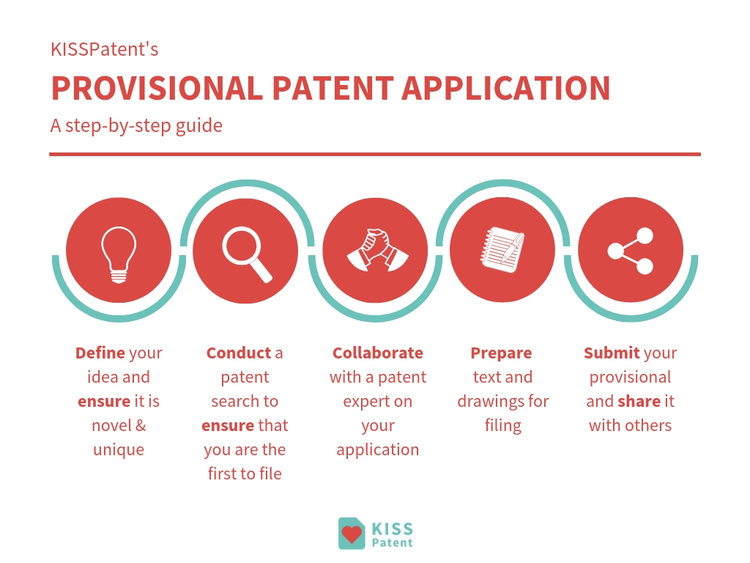
Obtaining a provisional patent can be a lengthy process, but it is necessary for protecting your invention. Here are some of the steps involved in the process and what factors can impact the time frame.
The first step of obtaining a provisional patent is to conduct thorough research on similar inventions that have already been patented or are currently pending approval. This research helps ensure that your invention does not infringe upon any existing patents or applications.
After conducting this research, you must then draft an application with detailed descriptions of your invention and submit it to the USPTO.
After verifying that your submitted documents are complete, USPTO will send your application to an examiner who specializes in patents related to your field of technology.
The amount of time required at each step varies depending on how quickly you can gather all relevant information about prior art and how long it takes for USPTO to review your application before passing it along to an examiner.
Generally speaking, researching prior art may take anywhere from two weeks up to six months while waiting for examination after submission could range from three months up to one year or more, depending on backlogs at USPTO offices around the country.
(Source)
The Cost of Obtaining a Provisional Patent
The cost of filing a provisional patent application varies depending on the country and type of invention. Generally, it is less expensive than filing for a non-provisional patent, but there are still fees associated with the process.
In the United States, you will need to pay an attorney or agent to prepare and file your application. This fee can range from $500 to $5,000 depending on the complexity of the invention. You may be required to pay additional fees such as maintenance fees if applicable in your jurisdiction.
While filing fees are typically lower for provisional patents compared to non-provisional patents, there are other costs that should be taken into consideration when obtaining one. These include research costs, legal costs, and administrative costs associated with document management systems or software subscriptions.
Time is of the essence when filing a provisional patent application! Make sure you have all necessary documents ready, understand USPTO requirements, and pay applicable fees. #Innovation #PatentApplication Click to Tweet
Common Mistakes to Avoid When Applying for a Provisional Patent
Applying for a provisional patent can be an intimidating process. It is important to understand the guidelines and requirements in order to avoid common mistakes that could delay or even prevent your application from being approved.
One of the most common mistakes when applying for a provisional patent is not following the necessary guidelines and requirements set forth by the USPTO. This includes filing all required documents such as drawings, claims, and descriptions as well as ensuring that each document meets all formatting specifications. Failing to do so can result in delays or rejection of your application.
Another mistake is not conducting proper research beforehand. This means researching existing patents related to your invention or idea in order to ensure that it does not infringe on any other patents already filed with the USPTO. If you fail to do this research prior to submitting your application, you may find yourself facing legal issues if someone else has already patented something similar.
FAQs About “How Long Does it Take to Get a Provisional Patent?”
Are provisional patents worth it?
A patent application is a valuable tool, but only when it’s done right. When they’re done wrong, not only do you not get any benefits, but the filings could demonstrate you were not in possession of the invention, which could potentially be disastrous.
Can a provisional patent get rejected?
If the specifications or drawing are not completed, the provisional patent application will not be valid or it could even be rejected by the USPTO.
A PPA can be filled without an oath or any information disclosures.
How much do provisional patents cost?
The standard filing fee is $300. Small entities pay $150 while micro entities pay only $75 for the provisional patent.
What happens after filing a provisional patent?
Once you’ve filed a provisional patent application, you have 1 year to decide if you want to continue the patenting process. This 1 year period allows you to do several things, such as investigate the market for your product and find potential investors.
Conclusion
Obtaining a provisional patent is an important step for any R&D and innovation team. By understanding how long does it take to get a provisional patent, the costs involved, and how to prepare your application correctly, you can ensure that you get a provisional patent in a timely manner.
Are you an R&D or innovation team looking to accelerate your research and development process? Look no further than Cypris!
Our platform provides rapid time-to-insights, allowing you to quickly get the answers you need in order to make informed decisions.
With our help, it won’t take long for your team to gain a provisional patent – so why wait any longer?
Start using Cypris today and experience faster results!
.png)