
As an R&D platform and custom report service, search functionality for our users is key.
That's why we're thrilled to announce our platform's user experience and research capabilities just got better. Meet Quick Search, a new search bar that delivers information to our users faster than ever.
What's New with this Launch?
The previous search functionality allowed for search only by keywords. With Quick Search, users can now search by patent and research paper titles in addition to keywords.
What's the User Experience Like?
As you type in your search (keyword, patent, or research paper) you'll see a live tally of the data by category available for that search.
From there, you can click into individual data sections or build a report pulling from all available data streams.
0:00/1×
Have questions or comments? Feel free to reach out to us at info@ipcypris.com for more information.
Meet Quick Search, Our New Functionality



As an R&D platform and custom report service, search functionality for our users is key.
That's why we're thrilled to announce our platform's user experience and research capabilities just got better. Meet Quick Search, a new search bar that delivers information to our users faster than ever.
What's New with this Launch?
The previous search functionality allowed for search only by keywords. With Quick Search, users can now search by patent and research paper titles in addition to keywords.
What's the User Experience Like?
As you type in your search (keyword, patent, or research paper) you'll see a live tally of the data by category available for that search.
From there, you can click into individual data sections or build a report pulling from all available data streams.
0:00/1×
Have questions or comments? Feel free to reach out to us at info@ipcypris.com for more information.
Keep Reading

How long does it take to get a provisional patent? While the timeline for getting your application approved will vary, it typically takes around six months from start to finish. It’s important that you understand what goes into obtaining this type of patent so you can plan accordingly and get your idea protected.
This article looks at how long does it take to get a provisional patent, cost considerations when filing for one, tips on preparing and submitting your application, and common mistakes that should be avoided during the process.
Let’s get started by defining what is a provisional patent.
Table of Contents
Definition of a Provisional Patent
Benefits of a Provisional Patent
How to Apply for a Provisional Patent
How Long Does it Take to Get a Provisional Patent?
The Cost of Obtaining a Provisional Patent
Common Mistakes to Avoid When Applying for a Provisional Patent
FAQs About “How Long Does it Take to Get a Provisional Patent?”
Are provisional patents worth it?
Can a provisional patent get rejected?
How much do provisional patents cost?
What happens after filing a provisional patent?
What is a Provisional Patent?
A provisional patent is a legal document that allows inventors to protect their ideas and inventions for up to one year. It provides the inventor with “patent pending” status, which can be used as evidence of ownership when filing for a full patent later on. A provisional patent does not grant any rights or privileges, but it does provide protection from others who may try to copy or use the invention without permission.
Definition of a Provisional Patent
A provisional patent is an application filed with the United States Patent and Trademark Office (USPTO) that establishes an early filing date for an invention. This type of application does not require claims or drawings but it must include enough information about the invention so that someone skilled in the art could make and use it without undue experimentation.
Benefits of a Provisional Patent
Provisional patent applications provide inventors with an array of benefits.
Firstly, they offer protection against others stealing their work. By filing a provisional application, the inventor has 12 months to file a legally-binding patent before anyone else can use their idea or invention. This provides them with peace of mind that their hard work is safe and secure from potential competitors.
In addition to protecting ideas and inventions, provisional patents also allow inventors to gain recognition for their work without having to go through the lengthy process of filing a full patent application right away. The provisional application acts as proof that the inventor was first in line when it comes to developing an idea or invention – even if they don’t end up filing a full patent down the road.
Furthermore, provisional patents are relatively inexpensive compared to other forms of intellectual property protection such as trademarks and copyrights. This makes them ideal for those who may not have access to large amounts of capital but still want some form of legal protection for their ideas or inventions while they continue working on them.
Finally, by filing a provisional patent application, inventors can take advantage of “patent pending” status which gives them exclusive rights during the 12-month period before they must file a full patent application. During this period, any infringement upon these exclusive rights could result in legal action being taken against those responsible parties – giving inventors additional leverage should someone attempt to steal their work.
Overall, there are many advantages associated with filing a provisional patent application – making it an invaluable tool for any inventor looking to protect their work from theft while also gaining recognition during the development stages.
How to Apply for a Provisional Patent
In order to file for a provisional patent, applicants must submit detailed descriptions about how they plan on making and using their invention – all within 1 page per claim plus 10 pages total maximum length limit set by USPTO guidelines.
Applicants should include any prior art references related to their invention since these will help demonstrate novelty when applying for subsequent patents.
Key Takeaway: A provisional patent is an application filed with the USPTO that establishes an early filing date for an invention. It provides protection from others who may try to copy or use the invention without permission and gives inventors 12 months to further develop their idea before having to file a full non-provisional patent.
How Long Does it Take to Get a Provisional Patent?
Obtaining a provisional patent can be a lengthy process, but it is necessary for protecting your invention. Here are some of the steps involved in the process and what factors can impact the time frame.
The first step of obtaining a provisional patent is to conduct thorough research on similar inventions that have already been patented or are currently pending approval. This research helps ensure that your invention does not infringe upon any existing patents or applications.
After conducting this research, you must then draft an application with detailed descriptions of your invention and submit it to the USPTO.
After verifying that your submitted documents are complete, USPTO will send your application to an examiner who specializes in patents related to your field of technology.
The amount of time required at each step varies depending on how quickly you can gather all relevant information about prior art and how long it takes for USPTO to review your application before passing it along to an examiner.
Generally speaking, researching prior art may take anywhere from two weeks up to six months while waiting for examination after submission could range from three months up to one year or more, depending on backlogs at USPTO offices around the country.
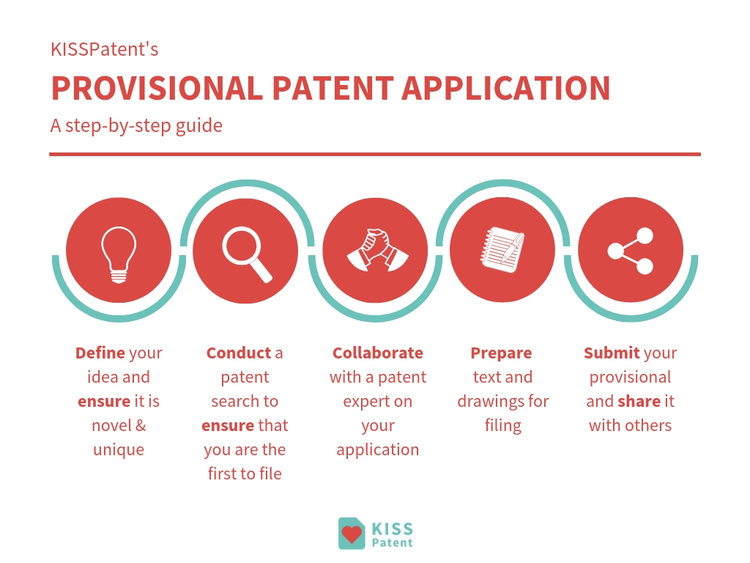
(Source)
The Cost of Obtaining a Provisional Patent
The cost of filing a provisional patent application varies depending on the country and type of invention. Generally, it is less expensive than filing for a non-provisional patent, but there are still fees associated with the process.
In the United States, you will need to pay an attorney or agent to prepare and file your application. This fee can range from $500 to $5,000 depending on the complexity of the invention. You may be required to pay additional fees such as maintenance fees if applicable in your jurisdiction.
While filing fees are typically lower for provisional patents compared to non-provisional patents, there are other costs that should be taken into consideration when obtaining one. These include research costs, legal costs, and administrative costs associated with document management systems or software subscriptions.
Time is of the essence when filing a provisional patent application! Make sure you have all necessary documents ready, understand USPTO requirements, and pay applicable fees. #Innovation #PatentApplication Click to Tweet
Common Mistakes to Avoid When Applying for a Provisional Patent
Applying for a provisional patent can be an intimidating process. It is important to understand the guidelines and requirements in order to avoid common mistakes that could delay or even prevent your application from being approved.
One of the most common mistakes when applying for a provisional patent is not following the necessary guidelines and requirements set forth by the USPTO. This includes filing all required documents such as drawings, claims, and descriptions as well as ensuring that each document meets all formatting specifications. Failing to do so can result in delays or rejection of your application.
Another mistake is not conducting proper research beforehand. This means researching existing patents related to your invention or idea in order to ensure that it does not infringe on any other patents already filed with the USPTO. If you fail to do this research prior to submitting your application, you may find yourself facing legal issues if someone else has already patented something similar.
FAQs About “How Long Does it Take to Get a Provisional Patent?”
Are provisional patents worth it?
A patent application is a valuable tool, but only when it’s done right. When they’re done wrong, not only do you not get any benefits, but the filings could demonstrate you were not in possession of the invention, which could potentially be disastrous.
Can a provisional patent get rejected?
If the specifications or drawing are not completed, the provisional patent application will not be valid or it could even be rejected by the USPTO.
A PPA can be filled without an oath or any information disclosures.
How much do provisional patents cost?
The standard filing fee is $300. Small entities pay $150 while micro entities pay only $75 for the provisional patent.
What happens after filing a provisional patent?
Once you’ve filed a provisional patent application, you have 1 year to decide if you want to continue the patenting process. This 1 year period allows you to do several things, such as investigate the market for your product and find potential investors.
Conclusion
Obtaining a provisional patent is an important step for any R&D and innovation team. By understanding how long does it take to get a provisional patent, the costs involved, and how to prepare your application correctly, you can ensure that you get a provisional patent in a timely manner.
Are you an R&D or innovation team looking to accelerate your research and development process? Look no further than Cypris!
Our platform provides rapid time-to-insights, allowing you to quickly get the answers you need in order to make informed decisions.
With our help, it won’t take long for your team to gain a provisional patent – so why wait any longer?
Start using Cypris today and experience faster results!

How does research and development influence design? Research and development (R&D) is an integral part of any product design process. From concept to completion, R&D teams help bring ideas to life by testing the feasibility of new products and features.
In this blog post, we will explore how research can be used to inform decisions throughout a project’s lifecycle as well as discuss best practices for maximizing the impact that R&D has on design outcomes. We’ll also look at how technology can enhance traditional methods of conducting research, allowing teams to gain valuable insights faster than ever before. So let’s answer: how does research and development influence design?
Table of Contents
How Does Research and Development Influence Design?
The Role of R&D in Design Processes
Leveraging Technology to Enhance Research and Development Efforts
Challenges of Leveraging Technologies
Best Practices for Maximizing the Impact of Research and Development on Design Outcomes
Conclusion: How Does Research and Development Influence Design?
How Does Research and Development Influence Design?
Research and development help to identify problems, develop solutions, and create new products or services that meet customer needs. R&D can also be used to improve existing designs by identifying areas for improvement or creating innovative approaches to problem-solving. Let’s look closer and answer: how does research and development influence design?
The Role of R&D in Design Processes
R&D plays a critical role in the design process by providing insights into customer needs and preferences, as well as technological advancements that could impact product performance.
Through research activities such as market analysis, surveys, prototype testing, and data collection from competitors’ products or services, designers gain valuable information about what their target audience wants and how best to deliver it. This knowledge can then be used to inform decisions about product features, materials selection, and manufacturing processes, resulting in improved designs that better meet user requirements.
Market Research
Market research is a critical component of product development as it provides insights into consumer behavior and preferences. Through market research, designers can gain a better understanding of their target audience’s needs and wants which allows them to create more effective designs that appeal to customers.
For example, if a company wanted to launch a new line of clothing they could use market research data such as surveys or focus groups to determine what type of styles people prefer so they could tailor their designs accordingly.
User Testing
User testing is another important aspect of product development as it allows designers to get feedback from real users on how well their products perform in practice. This information can be used by designers when making decisions about features or functionality so they can ensure that the result meets user expectations.
For instance, if an app was being developed, then user testing would help identify any potential usability issues before it was released so adjustments could be made accordingly.

(Source)
Prototyping
Prototyping is also essential for successful product development as it allows designers to test out ideas before committing resources towards full-scale production. By creating prototypes early on in the process, designers can quickly iterate on concepts until they find one that works best for their intended purpose without having wasted time or money on something that may not have been viable in the long run anyway.
For example, if an automotive manufacturer wanted to develop a new car model then prototyping would allow them to experiment with different body shapes and materials. This will help them find one suitable for mass production at scale while minimizing costs associated with trial-and-error approaches.
Key Takeaway: R&D is an essential part of the design process, providing valuable insights into customer needs and technological advancements that can be used to inform decisions about product features.
Leveraging Technology to Enhance Research and Development Efforts
Now that we’ve answered “how does research and development influence design,” let’s look at how to enhance R&D efforts. Leveraging technology for research and development (R&D) efforts can be a powerful tool to help teams achieve their goals. Technology can provide access to data, facilitate collaboration, and enable faster decision-making. Here are some of the benefits of leveraging technology for R&D efforts:
Technology provides access to large amounts of data that would otherwise be difficult or impossible to obtain. It also allows teams to collaborate more effectively by enabling them to share information quickly and easily across multiple locations. Additionally, technology enables faster decision-making by providing real-time insights into trends in the market or industry as well as competitor activities.
Data Management
Organizing data is a key part of research and development. Leveraging technology can help streamline the process, making it easier for teams to access and analyze data quickly.
For example, Cypris provides an integrated platform that centralizes all the data sources R&D teams need into one place. This allows them to easily search through their information without having to switch between multiple systems or manually compile reports.
Collaboration
Technology also helps facilitate collaboration among team members who may be located in different parts of the world. By leveraging cloud-based tools such as Google Docs or Slack, researchers can work together on projects from anywhere with an internet connection.
These tools allow users to share documents, have conversations in real-time, assign tasks, and more – all within a single platform. Additionally, they provide version control so everyone is always working off the same document or set of instructions at any given time.
Analytics and Insights
Finally, technology makes it easier for teams to uncover insights from their research by providing powerful analytics capabilities right out of the box. With the right analytics, teams can quickly identify trends in their data, make informed decisions about future projects, and develop new products faster than ever before.
That’s why R&D teams need to have a platform that provides comprehensive insights into their data.
Challenges of Leveraging Technologies
One challenge is ensuring that the right technology is selected based on an organization’s specific needs and objectives. Another challenge is ensuring that the chosen technology integrates seamlessly with existing systems within an organization’s infrastructure so it can be utilized efficiently without disrupting operations or introducing security risks. Finally, there may also be challenges related to cost considerations when implementing new technologies such as software licensing fees or hardware costs associated with deploying new systems or upgrading existing ones.
Key Takeaway: Technology can be a powerful tool for R&D teams to help them achieve their goals by providing access to data, facilitating collaboration, and enabling faster decision-making. However, organizations must consider cost considerations when selecting the right technology that integrates seamlessly with existing systems without introducing security risks.
Best Practices for Maximizing the Impact of Research and Development on Design Outcomes
Research and development (R&D) is an essential component of any successful design process. To maximize the impact of R&D on design outcomes, teams should focus on integrating research into their processes early and often.
This includes setting up a feedback loop between research and design to ensure that insights from research are informing decisions throughout the entire process. Additionally, teams should strive to create a culture where experimentation is encouraged, as this will allow them to explore different solutions quickly and efficiently.
Apple is one company that has successfully leveraged best practices for maximizing the impact of R&D on design outcomes. By creating a strong feedback loop between their research team and product designers, they have been able to rapidly develop innovative products such as iPhones and iPads.
Similarly, Amazon has also used its in-house research team to inform its product designs; by leveraging customer data collected through its platform, Amazon has been able to create highly personalized experiences tailored specifically to each user’s needs.
One challenge with implementing best practices for maximizing the impact of R&D on design outcomes is finding ways to effectively communicate insights from research back into product development cycles without sacrificing speed or efficiency. Additionally, it can be difficult to find ways to incentivize collaboration between researchers and designers so that both groups are working together towards common goals instead of operating independently from one another.
Finally, there may be organizational challenges associated with establishing an effective feedback loop between these two groups if they exist within separate departments or silos within an organization’s structure.
Key Takeaway: To maximize the impact of R&D on design outcomes, teams should focus on creating a feedback loop between research and design that encourages experimentation. Challenges may arise from communication issues or organizational silos, but with proper planning. these can be overcome.
Conclusion: How Does Research and Development Influence Design?
How does research and development influence design? Research and development is an essential part of the design process, as it provides valuable insight into customer needs and preferences which can be used to inform decision-making throughout the entire product lifecycle.
By leveraging technology to enhance R&D efforts, teams can maximize their impact on product innovation and ensure they are making informed decisions based on data-driven insights. Ultimately, understanding how research and development influence design is key for any organization looking to stay ahead of the competition in today’s ever-evolving market landscape.
Are you an R&D or innovation team looking for a platform to accelerate your time to insights? Cypris is the perfect solution. Our research platform has been specifically designed with teams in mind and provides easy access to data sources that can help take your projects from concept to completion quickly. Take advantage of our innovative technology today and see how much faster your ideas become reality!

How do you cite patents when researching for your innovation projects? With the growing number of patented technologies, citing relevant patents is becoming increasingly important. Knowing when to cite a patent, why it’s necessary, how to find them, and the potential consequences of not properly citing them can help ensure that all of your research remains compliant.
How do you cite patents correctly in order to protect yourself from legal? In this blog post, we’ll explore what exactly constitutes a patent so you can make sure your team’s work complies with applicable regulations.
Table of Contents
Prioritize Professionalism and Ethics
Enhance Your Reputation as an Innovator in Your Field
Improve the Visibility of Your Work
Where to Find Relevant Patents to Cite
What Happens If You Fail to Cite Patents Properly?
FAQs About How Do You Cite Patents
How do you cite patents in APA?
How do you cite a patent in MLA?
How do you cite a patent reference?
What is a Patent?
A patent is an exclusive right granted by the government to an inventor for their invention. The patent holder has full control over who can make, use, or sell their invention and can also receive royalties when other people do so with permission. Patents are designed to encourage innovation and creativity as well as reward inventors for their hard work.
There are three main types of patents – utility patents, design patents, and plant patents.
Utility patents cover machines, processes, and products (including drugs).
Ornamental designs exclusively cover aesthetic features such as shape or configuration.
Plant patents protect newly discovered varieties of plants bred through cross-pollination techniques rather than genetic engineering.
Key Takeaway: A patent is a legal protection that grants inventors exclusive rights to their inventions, giving them the ability to benefit financially from their work.
Why You Should Cite Patents
Citing patents demonstrates respect for intellectual property rights, enhances your reputation as an innovator and increases the visibility of your work.
Prioritize Professionalism and Ethics
Citing patents shows that you have taken the time to properly credit those who have come before you with their own inventions or discoveries. This not only shows respect for their hard work but also ensures that all parties involved are given due recognition for their contributions to the field.
Citing patents can also help protect against potential legal issues later on.
Enhance Your Reputation as an Innovator in Your Field
By citing relevant patents in your work, you demonstrate a thorough understanding of both current trends and historical developments within your field. This helps establish yourself as a knowledgeable expert which can lead to increased opportunities such as speaking invitations or collaborations with your peers.
Improve the Visibility of Your Work
Citing relevant patents can help draw attention to your own work since readers will be able to trace back references. Furthermore, when others cite these same sources, they may reference yours along with them, leading more people to discover what you have created.
Key Takeaway: Citing patents demonstrates your professionalism, respect for intellectual property rights, and expertise in the field.
How Do You Cite Patents?
Citing patents is an important part of the research and development process. Knowing when to cite a patent, what type of patent to cite, and how to properly cite it can help ensure that your work is legally compliant and accurately represents the sources you have used.
When conducting research or developing products, it’s important to understand any legal requirements related to citing patents.
Depending on where you are located, there may be laws in place that require you to cite all relevant patents when publishing or presenting your work.
In some cases, failing to do so could result in a lawsuit from the patent holder. It’s also important to note that even if there isn’t a law requiring the citation of patents, it’s still considered good practice and should be done whenever possible.
Before citing any patents in your work, make sure they are actually relevant. You should look into existing patents as well as pending applications that affect your product development project.
Consider searching through databases such as Google Patent Search or the United States Patent and Trademark Office about specific types of inventions or technologies related to your project. Do this before beginning any actual design work to prevent potential infringement issues later on.
(Source)
Where to Find Relevant Patents to Cite
When it comes to finding relevant patents to cite, there are a few different options available.
Utilizing online databases and search engines is one of the most efficient ways to locate pertinent patents. There are many free resources available that allow users to search for specific patent information by keyword or inventor name.
Additionally, more advanced searches can be conducted with paid services such as Cypris’s Patent Search Tool which allows users to quickly filter through millions of records and find exactly what they need in minutes.
Leveraging professional networks and colleagues is another great way to identify potential citations for your work. By connecting with other professionals in your field, you may be able to uncover valuable insights into existing patents that could benefit your research or development project.
Consulting with legal professionals is also an option if you need assistance understanding the complexities of intellectual property law or navigating the patent application process.
Key Takeaway: When researching a project, it is important to cite relevant patents correctly and efficiently. There are several resources available to help with this process such as online databases, professional networks, and legal consultants.
What Happens If You Fail to Cite Patents Properly?
Not properly citing patents can have serious consequences. Violation of intellectual property rights laws is the most obvious consequence, as failing to cite a patent could be seen as an infringement on the patent holder’s exclusive right to their invention or idea. This could lead to legal action and financial penalties imposed on the offender.
Another potential consequence is loss of reputation or professional standing. Not only does credit-grabbing reflect poorly on one’s character, but it also has long-term implications in terms of future opportunities and collaborations with other professionals in the field.
Finally, failing to cite patents may result in litigation from the patent holder if they believe that their work has been used without proper attribution or permission. Litigation can involve significant costs which can be difficult for some individuals or organizations to bear financially.
Don’t forget to cite patents – it’s the law! Not doing so could lead to legal action, financial penalties, and loss of reputation. #IPRights #PatentLaw Click to Tweet
FAQs About How Do You Cite Patents
How do you cite patents in APA?
Patents can be cited in APA style by providing the name of the inventor, the year of patent publication, the title of the patent, and issuing authority.
For example:
Smith, J. (2023). Automated process for manufacturing widgets. U.S. Patent 10,123,456 issued by The United States Patent and Trademark Office.
How do you cite a patent in MLA?
To cite a patent in MLA, you should include the inventor’s name, the title of the invention, the patent number, and the country of origin.
For example:
Smith, John. “Invention Title.” Patent no. 123456789 (Country).
Additionally, you may want to include the date of issue or other relevant information such as application numbers or filing dates if available.
How do you cite a patent reference?
When citing a patent reference, it is important to include the patent number, title of the invention, name of the inventor(s), and year of issue.
Additionally, you should provide a link to the full text version if available.
For example:
U.S. Patent No. 8,123,456 (Device for Monitoring Temperature by John Doe et al., 2012). This can be found at https://patents.google.com/patent/US8123456B2/.
Conclusion
Patents provide a way to protect intellectual property and ensure that credit is given where it is due.
How do you cite patents?
The proper way is to reference the patent holder so that they can be easily found by other researchers. Not properly citing patents can lead to legal consequences, so it’s important to take the time to do it right.
Are you an R&D or innovation team looking for a comprehensive platform to centralize your data sources? Look no further than Cypris! With our easy-to-use platform, quickly gain insights and save time.
Our advanced tools help you accurately cite patents with ease so that all of your research is properly attributed. Take the first step towards streamlining your workflow today – join the Cypris revolution now!